
Steam Deck 2: Is AMD Gainsborough the chip Valve’s been waiting for?
The Steam Deck is four and a half years old, and handheld gamers are eagerly awaiting a Steam Deck 2 - but Valve has consistently said it needs a new chip with a "generational leap" in performance…

The Steam Deck LCD’s “Aerith” APU. | Photo by Fritzchens Fritz
The Steam Deck is four and a half years old, and handheld gamers are eagerly awaiting a Steam Deck 2 - but Valve has consistently said it needs a new chip with a "generational leap" in performance and efficiency before building the sequel.
There's some reason to believe that chip has now broken cover: AMD Gainsborough. But I'm a tad skeptical.
As leaker Moore's Law is Dead and IT Home report, the latest AMD drivers have leaked the codename for a previously unknown chip: an "AMD Gainsborough." The first Steam Deck chip was named "Aerith" after Final Fantasy VII's heartbreaking love interest, and Gainsborough is her last name. Plus, the chip …
Related articles
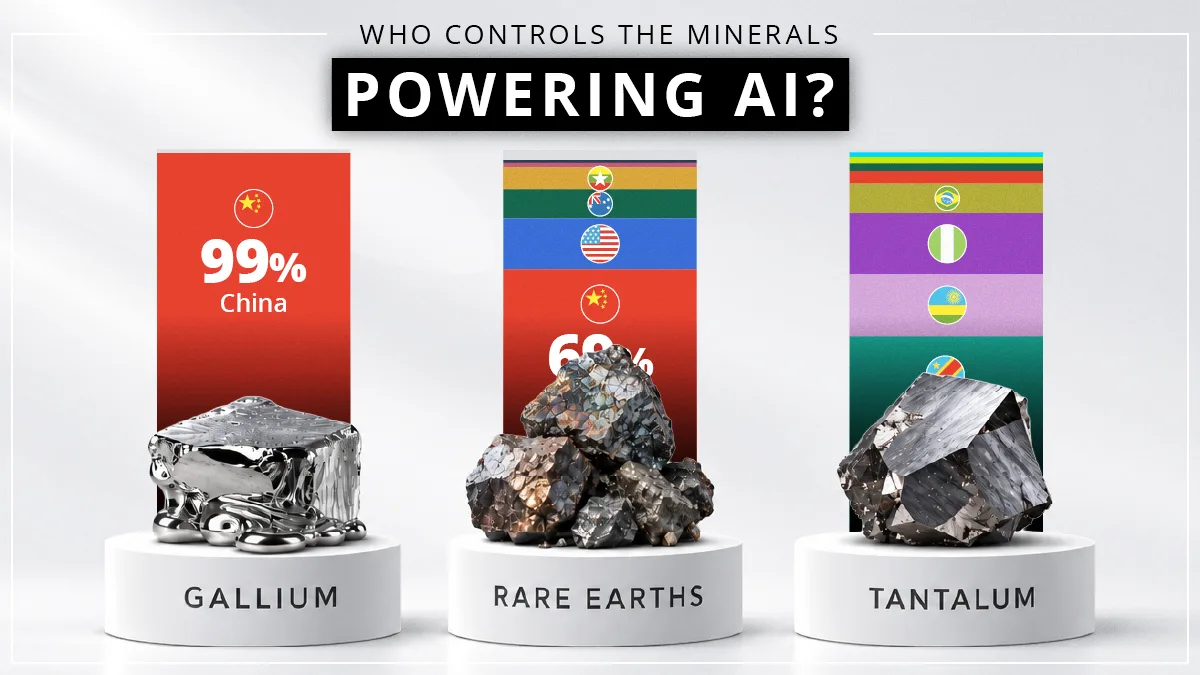
Who Controls the Critical Minerals Powering AI?
AI’s rapid growth depends on critical minerals. Here’s which countries dominate production of gallium, rare earths, and tantalum.

US Navy adds M-Code GPS to shield carrier landings from jamming threats at sea
BAE Systems has secured a $16 million award to modernize GPS guidance aboard U.S. Navy...

Judge dismisses antitrust lawsuits over Google’s AI Overviews
A federal judge has dismissed a pair of antitrust lawsuits filed by Chegg and Rolling Stone parent company Penske Media Corporation, which accused Google of driving away web traffic with its…
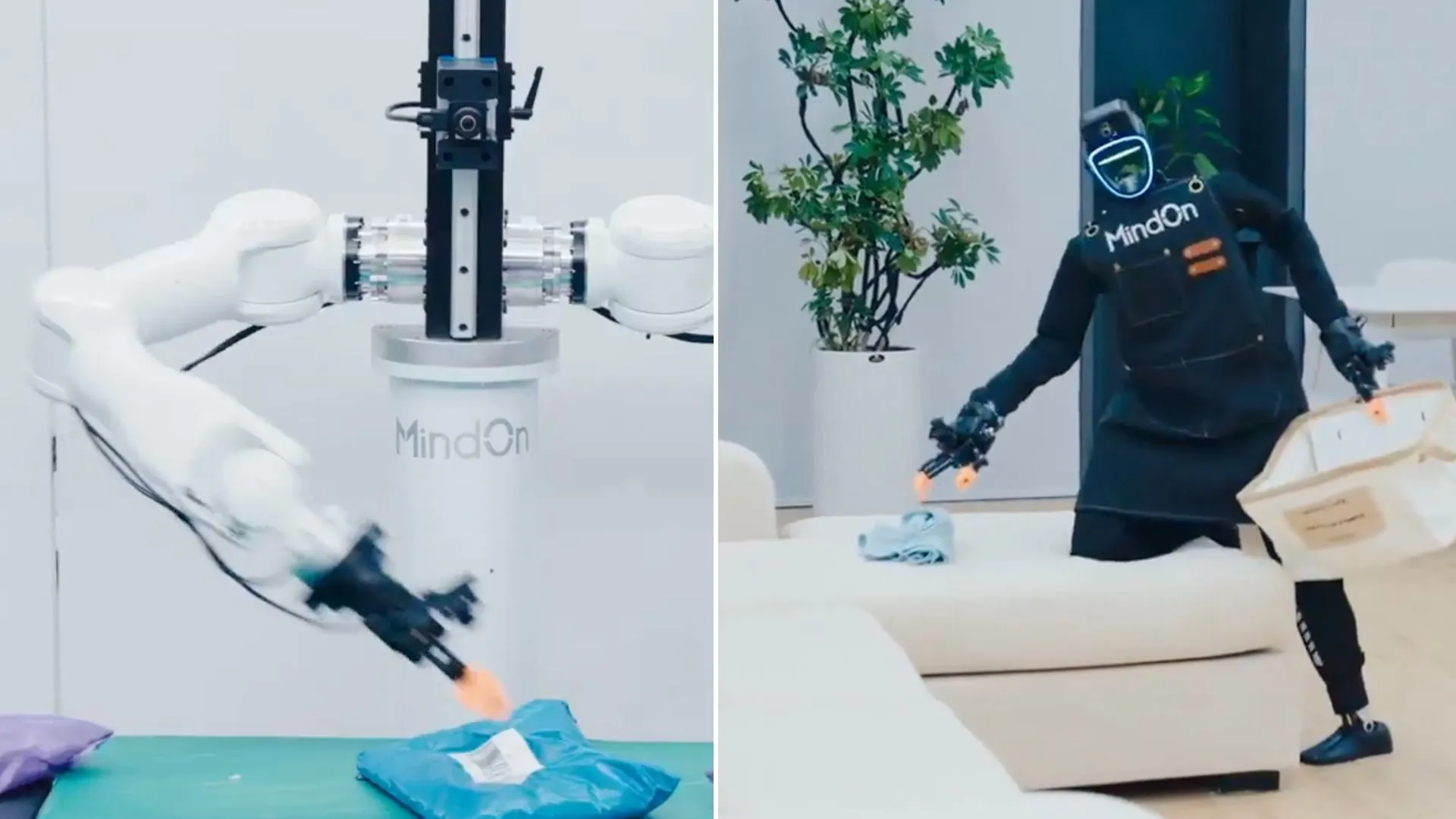
MindOn’s new Mind-1 model brings human-speed execution to robots
MindOn has unveiled Mind-1, a new physical AI model designed to make robots perform everyday...

Airbus A350F takes maiden flight with 111-ton payload and 5,400-mile range
Airbus’s A350F cargo jet has taken to the skies for the first time and completed...
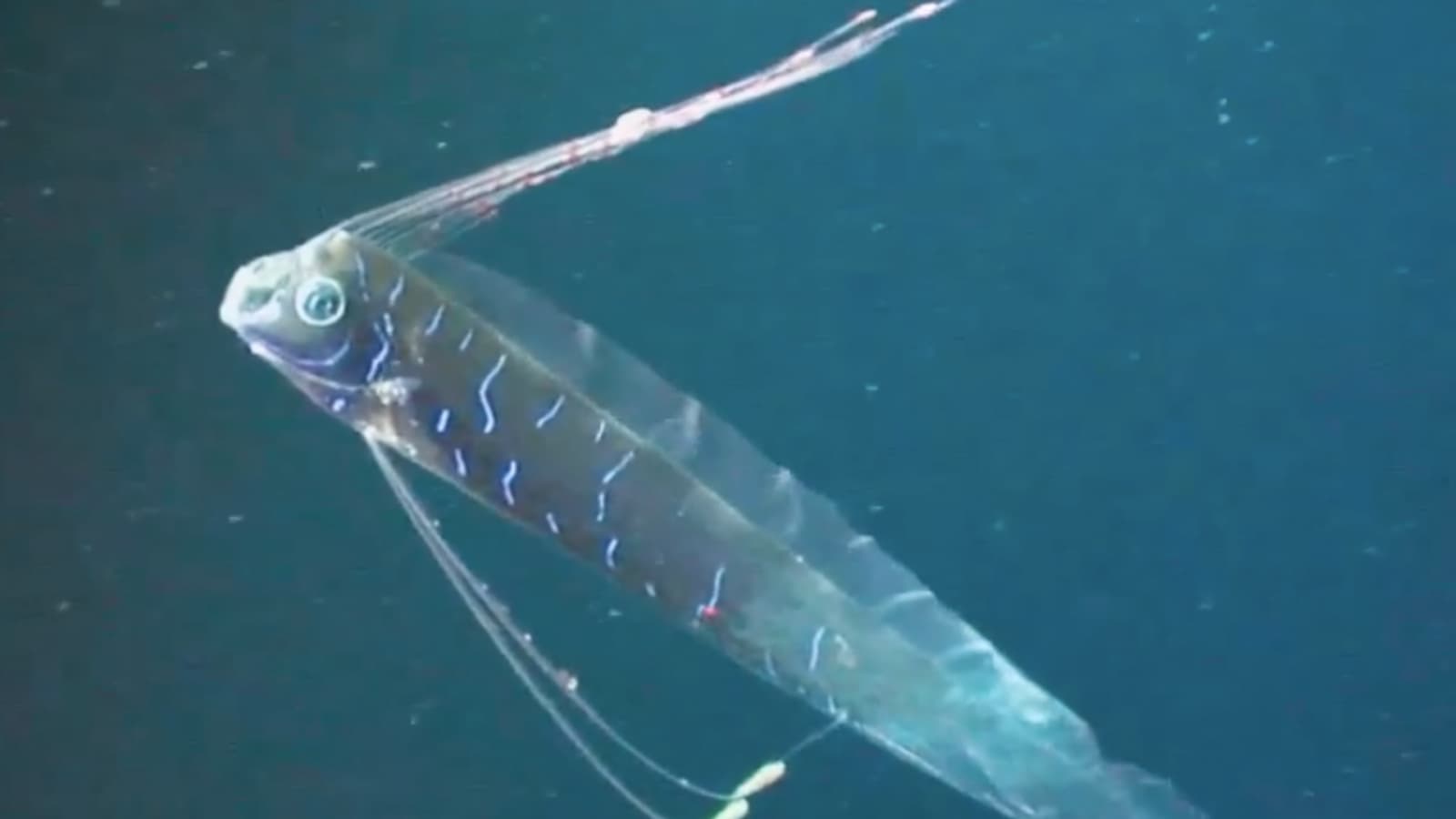
Deep-sea ‘doomsday fish’ could inspire the next generation of stealth submarines
Sometimes nature can be the best inspiration even for robots. Cornell engineering professor Rob Shepherd...