U.S. Air Force upgrades F-16 radar test systems to check 160 antennas, 70 radomes a year
Hill Air Force Base has upgraded two test systems used to verify F-16 radar components,...
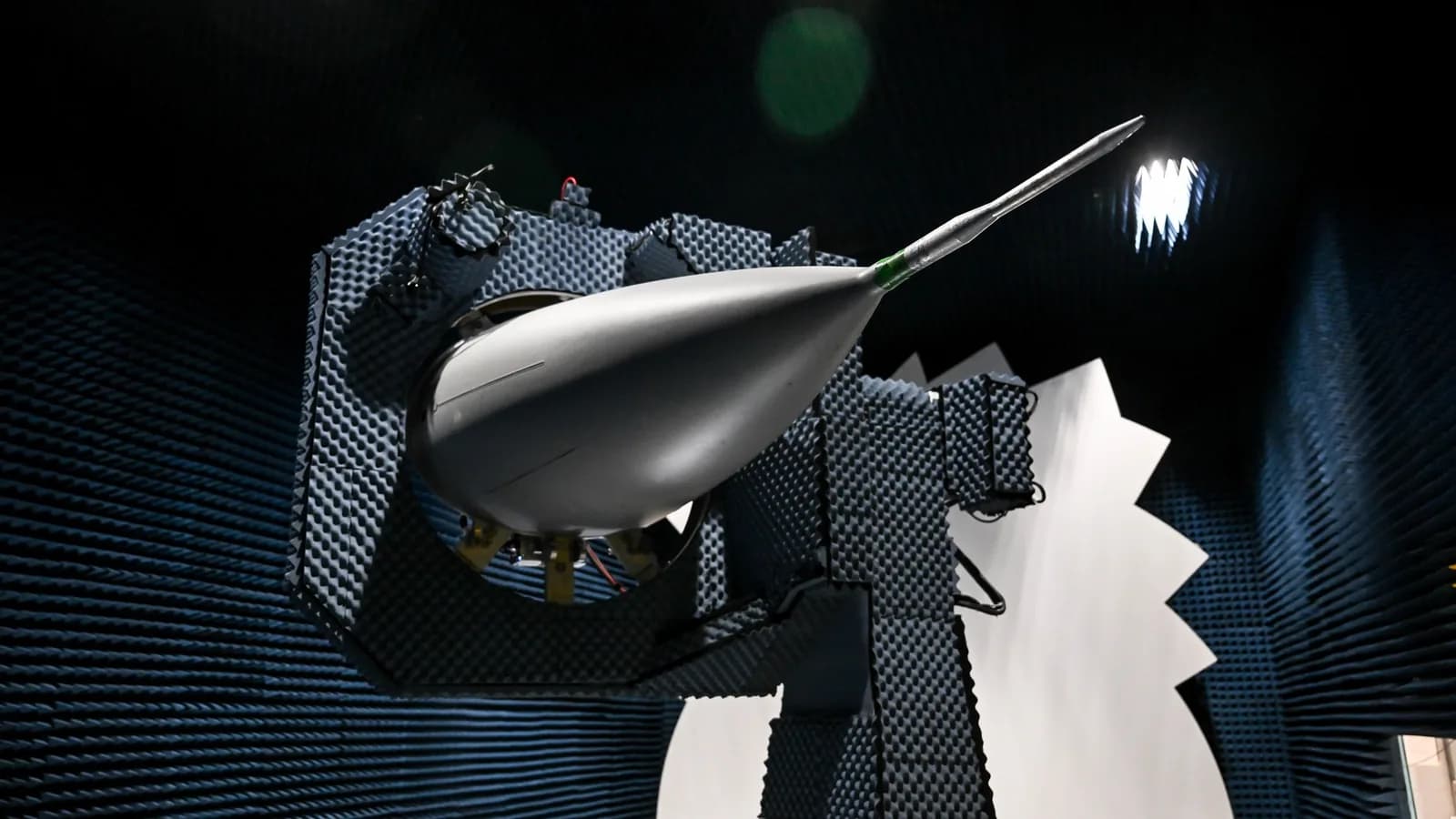
Hill Air Force Base has upgraded two test systems used to verify F-16 radar components, increasing its depot’s capacity. This helps the 523rd Electronic Maintenance Squadron’s radio-frequency shop check antennas and nose cones and respond to urgent requests from the field. The shop tests about 160 antennas and 70 radomes a year.
The squadron is the sole source for F-16 radar antenna repair and radome tuning, said Kelly Sellers, its avionics flight chief. The upgrades replaced obsolete test equipment and increased the shop’s throughput, helping it handle workload surges. The squadron also supports a range of F-16 sustainment workloads beyond radar repair.
Why radome matters
The F-16’s fire-control radar sends and receives signals through the radome, the protective cone covering the antenna at the front of the jet. If either part is faulty, the radar can lose detection and tracking range, show false returns, or place a target in the wrong spot. Together, those components provide the accurate radar picture pilots rely on to detect, track and engage threats.
The radome is not just a fiberglass cover, Sellers said, but a highly engineered electromagnetic window. Tiny flaws such as moisture intrusion, micro-cracks, composite delamination, or improper paint thickness act like a dirty lens, refracting or absorbing radar waves.
Because the antenna sits directly behind the radome, Sellers said, the two systems must work together in “perfect electromagnetic harmony.”
Two stations, two checks
The Nose Radome Electrical Test System (NRETS) shows whether a radome weakens or distorts radar signals. Those faults can make it harder for pilots to maintain a track, lock onto a target, or use radar-guided weapons accurately.
The Fire Control Radar Antenna Test System (FCRATS) checks how precisely the antenna points its beam. It also measures the antenna’s radiation pattern, sidelobe levels, and ability to transmit and receive signals. Both systems operate surrounded by anechoic foam, which absorbs stray radio-frequency energy.
Before a radome reaches NRETS, it can go through robotic coating removal, structural repair, resurfacing, and precision painting. Antennas follow a separate path: technicians diagnose and repair each one, verify it at a specialized station, and then complete final FCRATS testing.
Readiness after four decades
More than four decades after the F-16 entered Air Force service, the fleet still relies on these depot tests to verify that repaired radar components work as designed. Radar hardware upgrades are also underway: earlier reporting put the value of Northrop Grumman’s multiyear F-16 AESA radar contract above $1.68 billion.
Dan Marcom, the squadron’s director, said “unmatched craftsmanship” paired with “modernized test systems” ensures every returning radome and antenna delivers the radar picture pilots need.
Get the latest news delivered to your inbox.
Related articles