US aircraft carrier establishes 2,100-mile satellite control link with MQ-25A drone
The US Navy has remotely connected to and controlled an MQ-25A Stingray unmanned refueling aircraft...
This story was prepared automatically by software.
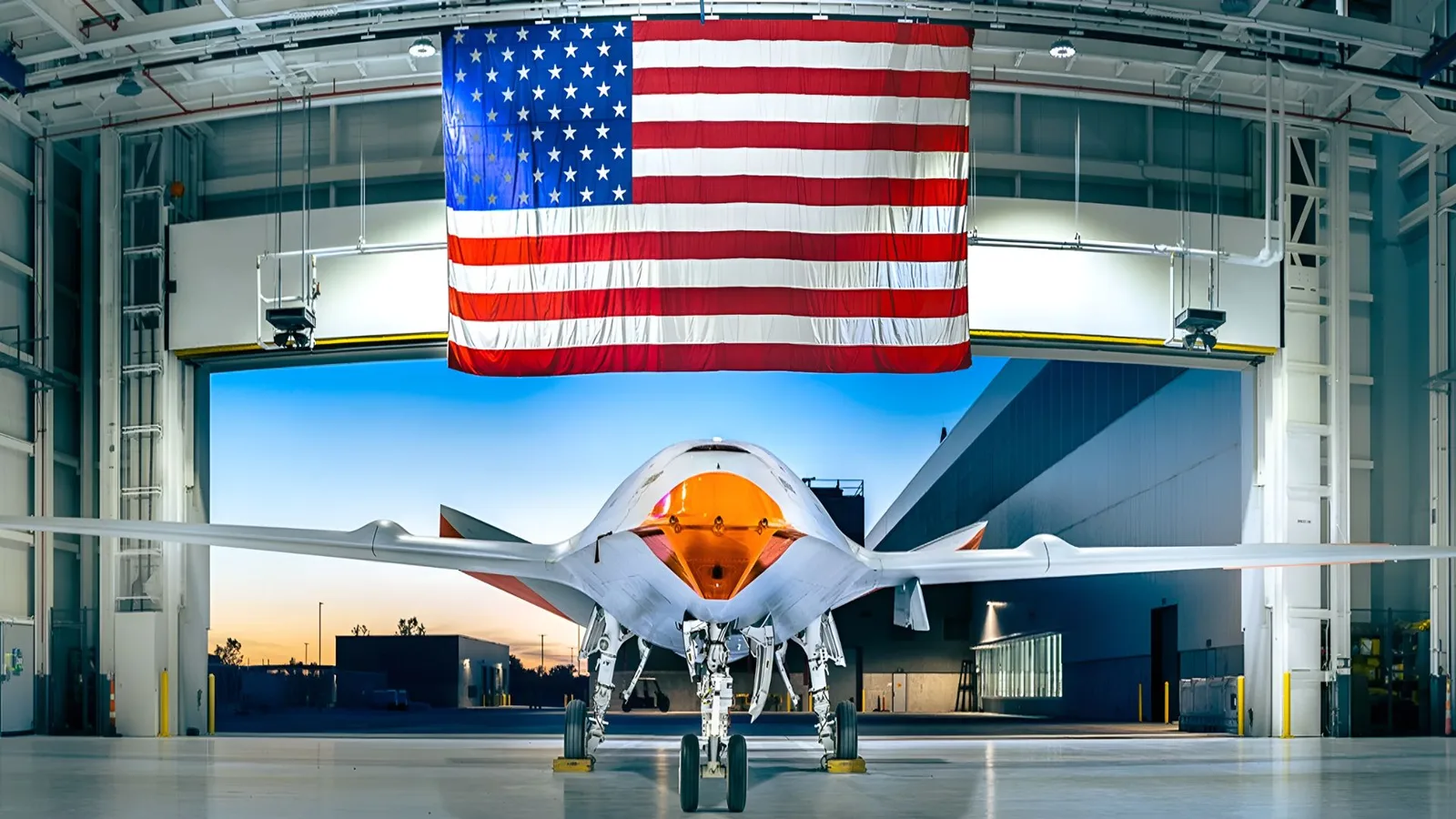
The US Navy has remotely connected to and controlled an MQ-25A Stingray unmanned refueling aircraft from an aircraft carrier more than 2,100 miles away, marking a new milestone in its effort to integrate drones into carrier operations.
The test took place aboard the USS Ronald Reagan, a Nimitz-class aircraft carrier operating in the Pacific Ocean. The MQ-25A test aircraft was at Boeing’s facility in Mascoutah, Illinois.
During preliminary sea trials, operators aboard the carrier used the ship’s Unmanned Air Warfare Center (UAWC) to establish a beyond-line-of-sight connection with the aircraft through a satellite network.
The Navy described the event as its first successful connection between an underway aircraft carrier’s control station and an MQ-25A aircraft. The demonstration tested the communications and command systems needed for future carrier-based drone operations.
Satellites bridge operational distance
The connection used a proliferated low Earth orbit (pLEO) satellite network, which relies on satellites operating relatively close to Earth to support communications over long distances.
The carrier’s UAWC used an MD-5C Ground Control Station to establish the link. The system combines the Navy’s command, control, communications, computers, and intelligence network with hardware and software developed by Lockheed Martin and other government-produced equipment.
The MD-5C is designed to provide command and control for the MQ-25A and potentially other unmanned aircraft that could operate from US Navy carriers.
The demonstration was part of a series of tests intended to validate the procedures, networks, and interfaces required to operate the Stingray from a carrier.
Earlier testing included evaluations while ships were docked and at sea. The work involved the Navy’s Unmanned Carrier Aviation Program Office and an integrated test team comprising personnel from the Navy, Boeing and Lockheed Martin.
“This first-ever underway connection between a carrier-based UAWC and an MQ-25A aircraft proves that the Carrier Air Wing of tomorrow is a reality today,” said Capt. Daniel Fucito, program manager for the Navy’s Unmanned Carrier Aviation Program Office.
Although the test demonstrated remote connectivity and control over a considerable distance, the Navy did not report an autonomous flight, aerial refueling operation, or carrier landing as part of this event.
Extending carrier aircraft reach
Boeing’s MQ-25A Stingray is being developed to refuel US Navy aircraft in flight, reducing the need to assign crewed combat aircraft to tanker duties.
The Navy expects the drone to support F/A-18E/F Super Hornets, allowing them to remain airborne longer and operate farther from their carrier.
Using dedicated unmanned refueling aircraft could also free more Super Hornets for combat missions instead of requiring them to carry additional fuel for other aircraft.
The MQ-25A is intended to become the Navy’s first operational carrier-based unmanned aerial refueling aircraft and establish a foundation for integrating additional unmanned aircraft into future carrier air wings.
The latest demonstration validates an important part of that plan: the ability to maintain a command connection between a moving aircraft carrier and a remotely located aircraft.
Further testing will be needed to establish how the system performs during routine flight operations and carrier-based missions.
Related articles