
US Army demonstrates GPS-free navigation for Mach 5+ hypersonic flight
General Dynamics Mission Systems (GDMS) and the U.S. Army Combat Capabilities Development Command (DEVCOM) Aviation...
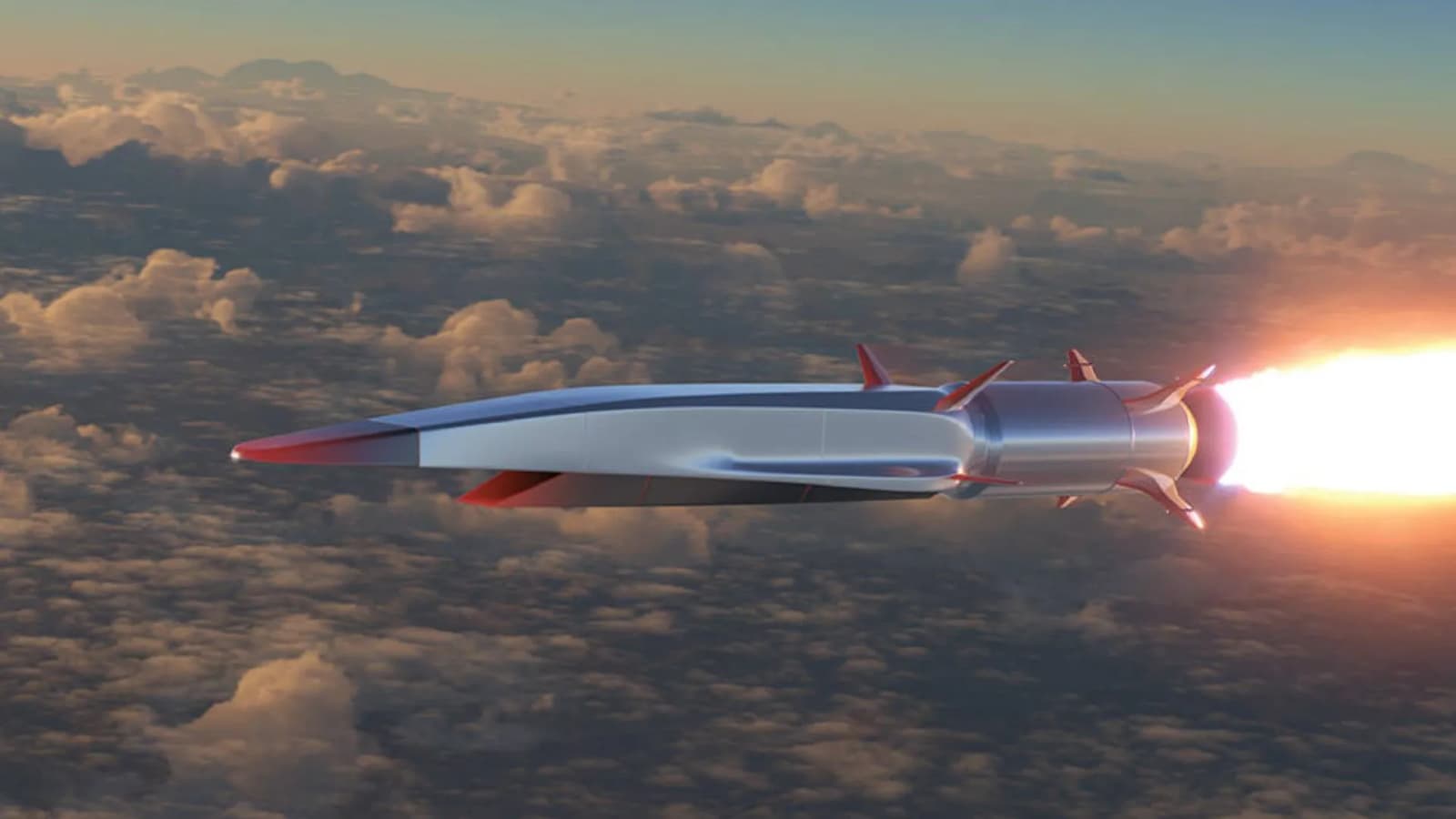
General Dynamics Mission Systems (GDMS) and the U.S. Army Combat Capabilities Development Command (DEVCOM) Aviation and Missile Center (AvMC) recently tested a navigation system that works without GPS during a hypersonic flight. GDMS announced the successful test on October 7, 2026, after its Multiple Orbit Navigation (MO-Nav) receiver flew on Stratolaunch’s reusable Talon-A test aircraft.
The test showed that radio frequency navigation can work without GPS. Since Talon-A can fly at Mach 5 or faster, it can give the Army test navigation equipment in the tough conditions that hypersonic weapons experience.
“GPS-denied technology is arguably one of the largest capability gaps across joint forces,” said Matt Elliott, General Dynamics Mission Systems director for the Weapons and Navigation business segment.
“Programs face growing pressure to incorporate alternatives to GPS and extend mission availability. General Dynamics Mission Systems is bringing software-defined receiver technology to the fight, allowing programs to continuously outpace the threat with software upgrades instead of requiring new hardware insertions.”
A compact receiver uses multiple signals
MO-Nav is a small, single-board circuit card that provides navigation when GPS is not available. It can use signals from several Global Navigation Satellite Systems, signals of opportunity, and commercial sources for position, navigation, and timing.
Its software-defined architecture allows the system to process signals using reprogrammable technology. This means developers can update navigation features with software as electronic warfare threats evolve.
GDMS has not said which satellite constellations or commercial signals were used in the Talon-A test. The company also has not shared details about the receiver’s size, weight, power needs, or navigation accuracy.
The system was also tested before in a cannon-fired artillery setting. In that test, MO-Nav survived strong launch forces and sent signal data to the munition’s mission computer.
Talon-A tests navigation above Mach 5
Stratolaunch’s Talon-A is a reusable platform for testing systems in hypersonic flight. The rocket-powered plane is about 28 feet (8.5 meters) long and weighs around 6,000 to 6,500 pounds at launch. Its engine, which uses liquid oxygen and kerosene, produces about 5,000 pounds of thrust.
The aircraft is air-launched and can reach around Mach 6 before landing autonomously on a runway. Its reusable design allows developers to collect flight data without committing a complete weapon system to every test.
Hypersonic flight makes things tough for navigation electronics. Fast Doppler shifts, strong acceleration, and high heat can affect the systems on board. At higher speeds, the ionized air around the aircraft can also weaken radio signals.
MOHAWK targets future weapon systems
GDMS is building its Multiple Orbit Highly Assured Weapons Kit (MOHAWK) on the MO-Nav design. MOHAWK will support more signal types and constellations, plus flexible anti-jam protection.
The system is also supports an optional integrated M-Code receiver. Another configuration could connect to an external M-Code GPS receiver while providing anti-jam and anti-spoof protected radio frequency output.
M-Code is an encrypted military GPS signal designed to resist jamming and spoofing. A multi-source navigation system could provide another option when GPS signals become unreliable during a mission.
Army plans more hypersonic demonstrations
The latest flight moves MO-Nav toward wider use in hypersonic and precision-guided weapon programs. GDMS said the receiver is currently available for integration.
The company and DEVCOM AvMC are also co-investing in a 2027 MOHAWK hypersonic demonstration with integrated M-Code capability. Further demonstrations on precision-guided munition platforms are planned for 2028.
These tests are intended to show how software-defined navigation can support weapons operating in environments where conventional GPS access is disrupted or unavailable.
Related articles

Atari is bringing back one of its earliest 8-bit home computers
After resurrecting iconic consoles like the 2600 and Mattel's Intellivision, Atari is relaunching one of the brand's personal computers that originally debuted 43 years ago.

Google is launching a one-stop Gemini agent for your work tasks
Google is launching a "universal" Gemini AI agent that can work across apps and devices in the background.

75 great October Prime Day deals are still happening
It’s always a little awkward when this many deals survive what was supposed to be the “end” of a big Amazon sale.

The Retro Song Bird plays just the music from your favorite Game Boy cartridges
The Retro Song Bird may look similar to devices like Epilogue's GB Operator with a slot on top for Game Boy cartridges, but it's not designed for playing retro games.

Sodium-ion home battery delivers 9.7 kWh capacity and promises 20,000 cycles
Home energy storage is being revamped. The 48 V residential energy storage system (RESS) developed...
Dassault-backed startup unveils strike weapon designed to hit targets up to 1,240 miles away
French defense startup Harmattan AI has unveiled IRIFI, an autonomous long-range strike system designed to...