US defense firm to supply mast systems for German and Norwegian submarine fleets
L3Harris Technologies has secured two contracts from German submarine builder TKMS to supply mast-raising equipment...
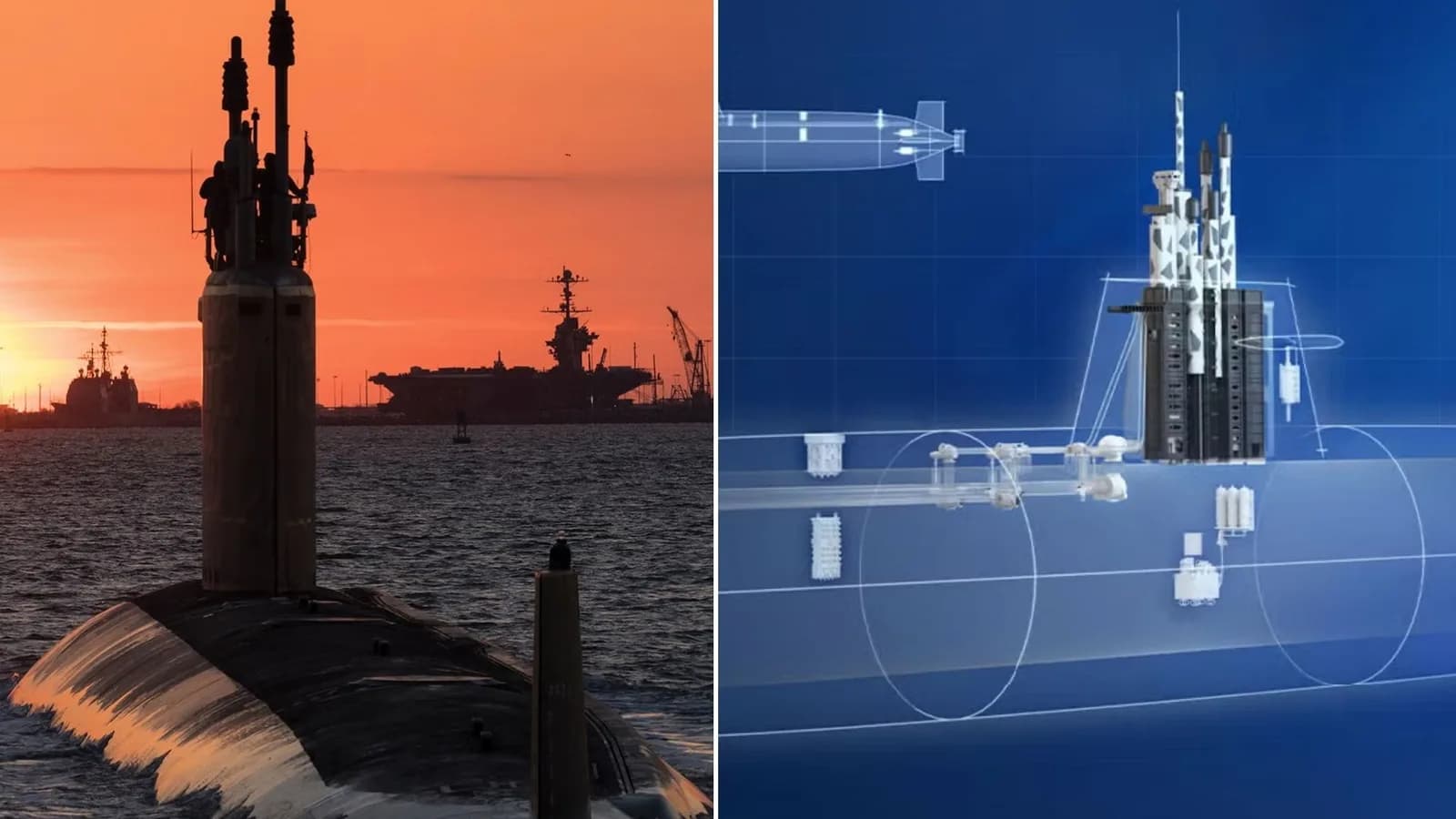
L3Harris Technologies has secured two contracts from German submarine builder TKMS to supply mast-raising equipment and electronic control units for Germany and Norway. The systems will allow the vessels to deploy and retract external payloads used for communications, surveillance, and navigation.
Announced November 2, the contracts add another US defense technology supplier to Europe’s submarine modernization efforts.
L3Harris did not disclose the total value of the awards, delivery schedules, quantities, or the specific submarine platforms receiving the equipment. The announcement also does not explicitly identify the submarine classes involved.
What do the mast systems actually do?
Submarine masts allow vessels to deploy equipment above the water while keeping most of the submarine submerged. Depending on their configuration, they can carry communications antennas, radar, electro-optical sensors, and other surveillance equipment.
The equipment supplied by L3Harris will raise and lower these payloads through mast-raising mechanisms controlled by associated electronic units. This allows a submarine to briefly expose the necessary equipment to communicate, collect information, or support navigation before retracting it.
L3Harris says its mast-raising equipment is designed to meet naval requirements for safety, reliability and integration into modern submarine platforms. The company also highlights high-grade materials and low maintenance requirements as ways to improve vessel availability and reduce lifecycle costs.
Its existing product range includes both hydraulic and electric actuation options. The company’s electric hoisting technology eliminates the need for oil piping, reducing the risk of fluid pollution inside the submarine. L3Harris also advertises noiseless raising and lowering control, minimal detectability and a modular drop-in/drop-out installation approach. However, it has not confirmed which specific configuration is included in the new TKMS contracts.
Germany and Norway are expanding their submarine fleets
The contracts arrive as Germany and Norway advance their joint Type 212CD submarine program, one of Europe’s major conventional submarine development efforts.
The two countries initially ordered six submarines, with Germany and Norway each committing to two and four vessels, respectively. Norway subsequently approved two additional submarines in January 2026, bringing its planned fleet to six. Germany had also exercised options for additional vessels, taking its planned fleet to six and the joint program to 12 submarines.
The Type 212CD builds on the earlier Type 212A design, incorporating a larger hull and updated systems intended to improve operational capabilities and interoperability between allied navies. The program is designed around shared development, training, logistics, and maintenance arrangements between the two countries.
In a separate development, Canada selected TKMS as its preferred supplier in July 2026 for a potential purchase of up to 12 submarines based on the Type 212CD design. The Canadian government has entered negotiations with the company, with the first four vessels expected to be delivered in 2034.
That decision could eventually expand the international footprint of the submarine design. However, neither TKMS nor L3Harris has announced a Canadian order for the mast-raising equipment covered by the latest contracts.
A specialized supplier in a growing submarine market
For L3Harris, the contracts reinforce its position as a supplier of specialized submarine equipment rather than complete vessels. The company says it has supplied mast systems to multiple naval fleets worldwide, with more than 600 masts provided.
“L3Harris is proud to play a major role in shaping the future of European submarine capability,” said Nino DiCosmo, president of Maritime, Space & Mission Systems at L3Harris. He added that the partnership with TKMS supports the company’s commitment to European naval modernization.
While the financial and delivery details remain undisclosed, the awards show how submarine programs depend on a network of specialized suppliers for equipment beyond the hull, propulsion and weapons systems.
Get the latest news delivered to your inbox.
Related articles