US divers tapped a Soviet cable for years until an ex-NSA analyst sold the secret
A secret U.S. wiretap on a Soviet undersea cable collected military phone calls for about...
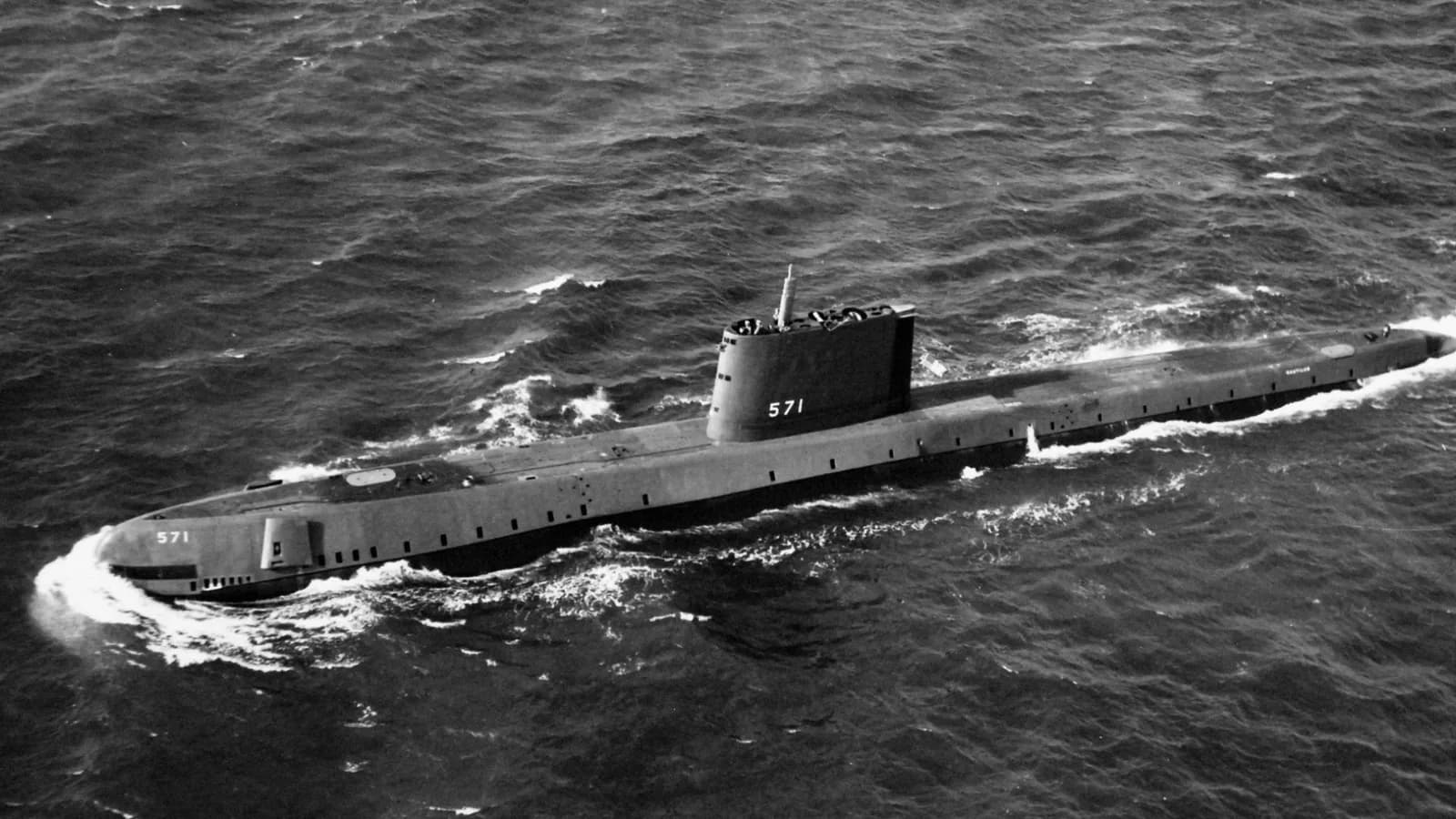
A secret U.S. wiretap on a Soviet undersea cable collected military phone calls for about a decade, until a former National Security Agency analyst sold the secret to Moscow, according to published accounts of the operation.
The program, code-named Ivy Bells, was a joint effort of the Navy, the CIA, and the NSA. Divers working from the submarine USS Halibut placed a recording device on the cable in the Sea of Okhotsk, in waters the Soviet Union regarded as its territorial waters. The cable linked the Soviet submarine base at Petropavlovsk and the Pacific Fleet headquarters near Vladivostok, and much of the traffic was not encrypted.
Much of the operation is still classified, and dates and equipment details vary between sources. Most of the public account comes from Blind Man’s Bluff, a 1998 book by journalists Sherry Sontag and Christopher Drew, and from interviews with Navy veterans.
How the tap worked
The idea came from Capt. James Bradley, then the Navy’s undersea warfare director in the Office of Naval Intelligence, according to Blind Man’s Bluff. Bradley theorized that the Soviets would lay a phone line deep near shore, where they assumed no one could reach it. Sontag said the Soviets “had no idea we could get that close.”
To narrow the search, the Halibut looked for signs warning boats not to anchor. Divers breathed a helium mix, which leaves the body faster than nitrogen does. The method, called saturation diving, let them work at about 400 feet for hours. Saturation diving allows divers to remain under pressure for extended periods, with decompression as the end of the operation.
Popular Mechanics writer Matt Blitz reported in 2017 that the tap worked by induction, which picks up a signal around a wire without cutting it. Cutting into the cable could have interrupted communications and alerted the Soviets. Submarines returned a couple of times a year to swap the device.
How it was exposed
Ronald Pelton, an NSA analyst, left the agency in 1979 after financial problems and bankruptcy, according to court records. In 1980, he reportedly offered secrets to the Soviet Embassy in Washington. It also reported he was paid $5,000 for the Ivy Bells details and $30,000 later.
A 1981 satellite image showed Soviet salvage activity over the site, Popular Mechanics reported. In 1985, KGB defector Vitaly Yurchenko identified Pelton as the source, who was convicted in 1986 and sentenced to three concurrent life terms, the Federation of American Scientists said. Guinness says the 28 years and 343 days he served after conviction is the longest served for espionage.
Much of the operation remains classified, so accounts rest largely on one book and veteran interviews. Sources differ on whether the tap began in 1971 or 1972 and how often tapes were collected. Sontag has said the intelligence helped end the Cold War, a claim no one can verify.
Submarines still have the ability to run such missions, said W. Craig Reed, author of the book Red November, but whether any are underway is classified.
Source: https://interestingengineering.com/military/us-divers-soviet-cable-secret
Get the latest news delivered to your inbox.
Related articles