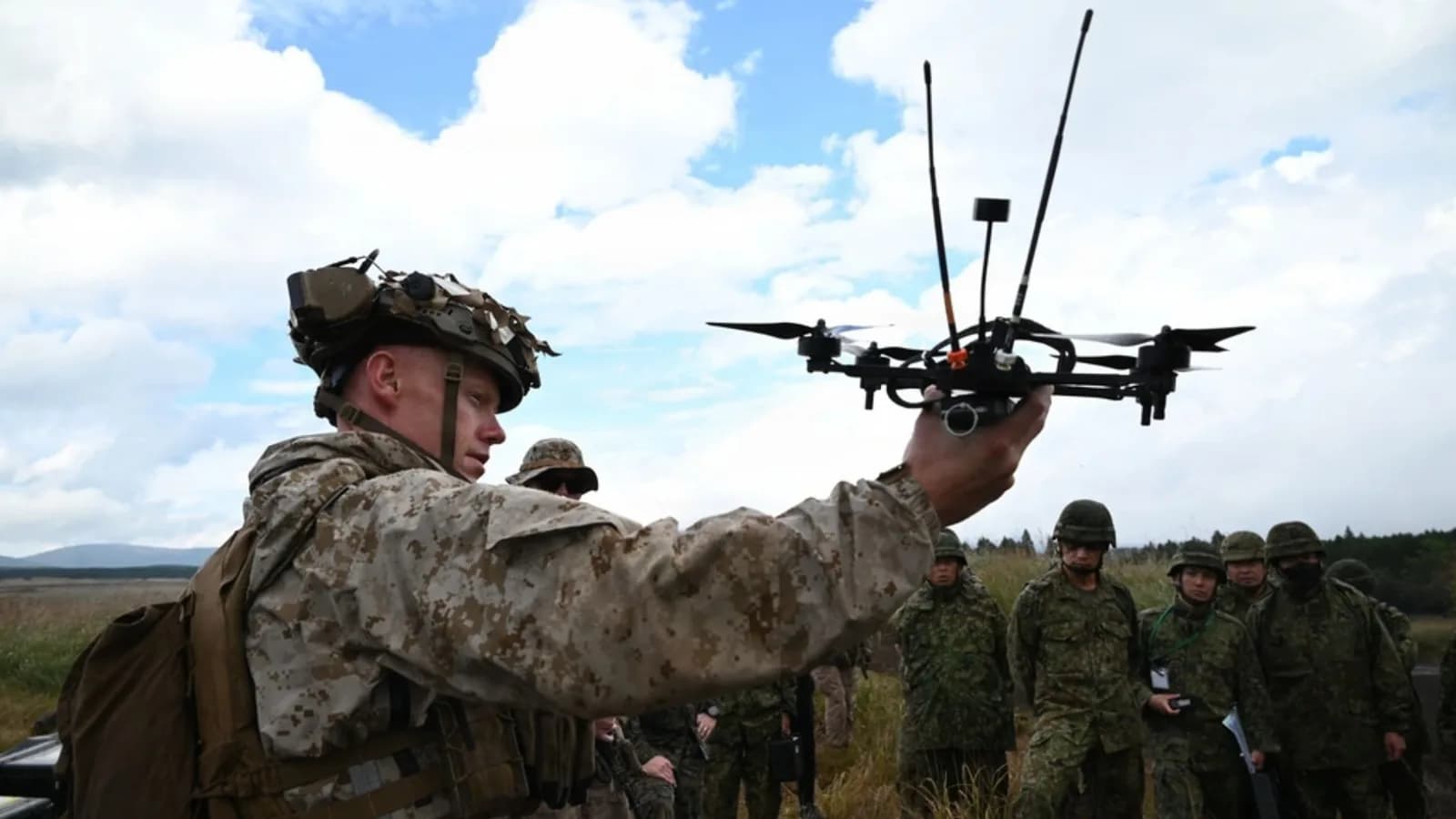
US firm’s throw-and-fly drone reaches 190 mph speed in strike demonstration
A US defense startup has demonstrated a hand-launched drone striking an armored target, bringing its...
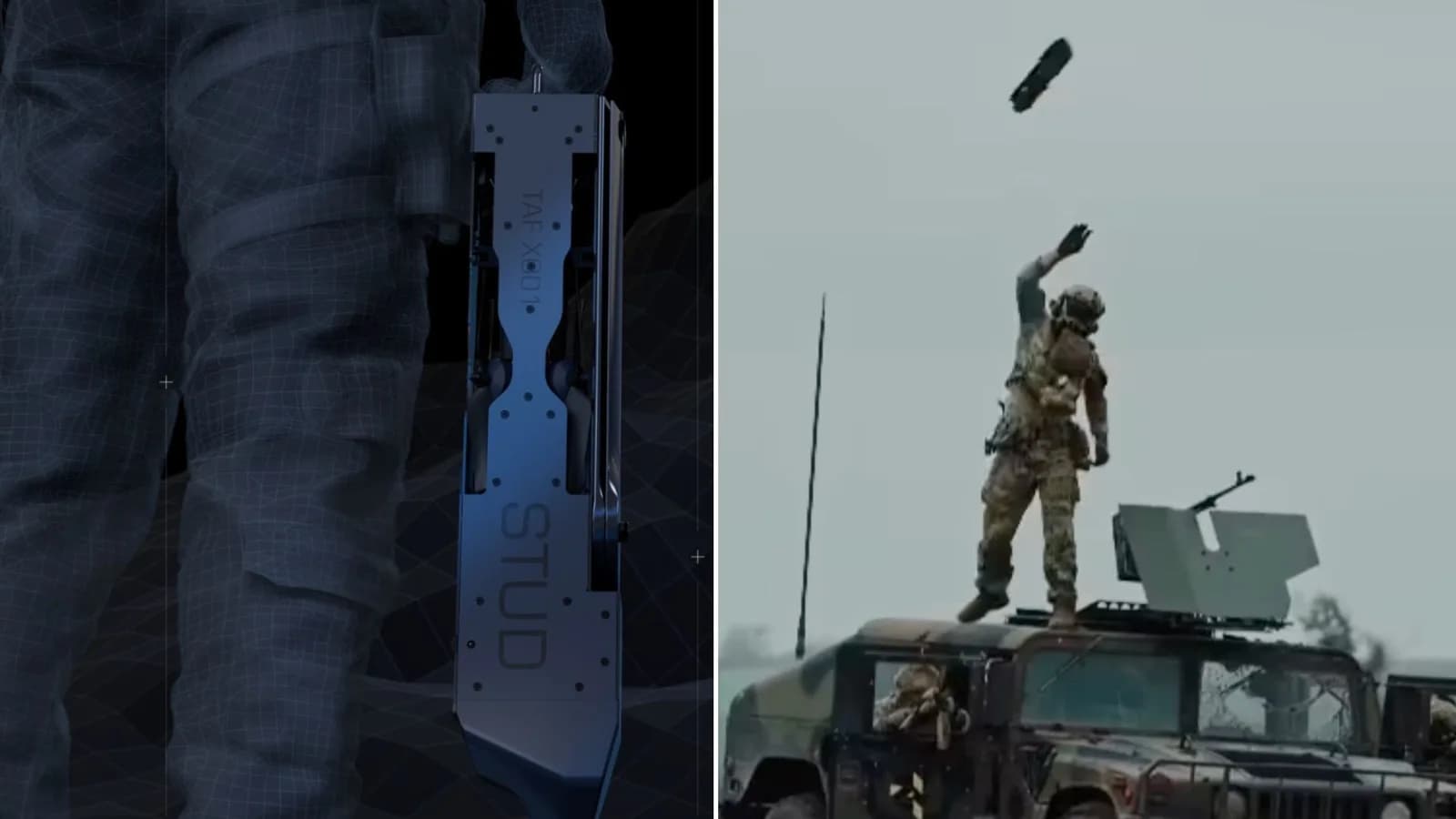
A US defense startup has demonstrated a hand-launched drone striking an armored target, bringing its compact tactical aircraft closer to military evaluation. XDOWN says its STUD system completed a kinetic strike demonstration after more than 500 hours of development and flight testing.
The company shared footage of the test on LinkedIn, showing a soldier throwing the small aircraft into the air. Its wings deploy as it transitions into forward flight, before the drone approaches and strikes the side of an armored vehicle.
The demonstration tested the aircraft, its hand-launch concept, flight controls, and strike capability as an integrated system. The company described the test as a milestone in the system’s development, although further operational testing and military evaluations are still required before deployment.
A strike drone designed to fit in a backpack
STUD is a Group 1 unmanned aircraft system designed for individual soldiers to carry and deploy without a catapult, launch rail, or other conventional launch equipment. The idea is to give small infantry units access to reconnaissance and strike capabilities without requiring a dedicated launch crew.
According to specifications reported by South Korea’s Yonhap News Agency, the aircraft is 44.5 centimeters (17.5 inches) long, weighs 2.36 kilograms (5.2 pounds), and has a reported top speed of 305 km/h (190 mph). Its operating range is listed at 64 kilometers (40 miles), with an endurance of up to 25 minutes. Yonhap reported the figures while covering the demonstration, citing Defense Blog and footage released by XDOWN.
The company says eight STUD aircraft can fit in a single military rucksack. Its design also emphasizes rapid deployment: XDOWN describes the hand-launch process as taking less than a second, while its website advertises a one-second battlefield deployment capability.
The company has also developed BLOOPER, a portable launcher intended to deploy STUD without a soldier having to throw it. XDOWN says the system can be used from uncrewed ground vehicles, uncrewed surface vessels, ground positions, and buildings. This could give units additional deployment options beyond individual infantry use.
More testing before military deployment
The strike demonstration is a step beyond basic flight testing, but it does not establish that STUD is ready for operational service. Balan said XDOWN plans further flight and mission testing, evaluations with military stakeholders, and additional autonomy integration. The company is targeting Technology Readiness Level 9, which generally indicates a system has been proven in its operational environment.
XDOWN also says it is exploring a modular architecture for different missions, including intelligence, surveillance, and reconnaissance, as well as kinetic applications. Its website lists potential configurations for counter-drone and electronic warfare missions, alongside anti-armor roles. The company has not publicly detailed the specific payloads or autonomy capabilities demonstrated in the recent strike test.
Electronic warfare remains another challenge for small unmanned aircraft. Balan told Defense Blog that the war in Ukraine has reinforced the importance of affordability, production scalability, and reducing reliance on uninterrupted communications. He also acknowledged that no single technology can make a drone immune to electronic warfare.
XDOWN is preparing for broader industrial expansion from 2027, including potential manufacturing partnerships in Eastern Europe alongside planned US production. Balan said these plans remain subject to financing, contractual commitments, production readiness, and regulatory approvals. The company is also opening a seed investment round to fund further development.
Get the latest news delivered to your inbox.
Related articles