Scientists develop 200-nanometer diamond pillars for future quantum computers
Scientists in Germany have launched a manufacturing platform that can carve diamonds at the nanoscale...
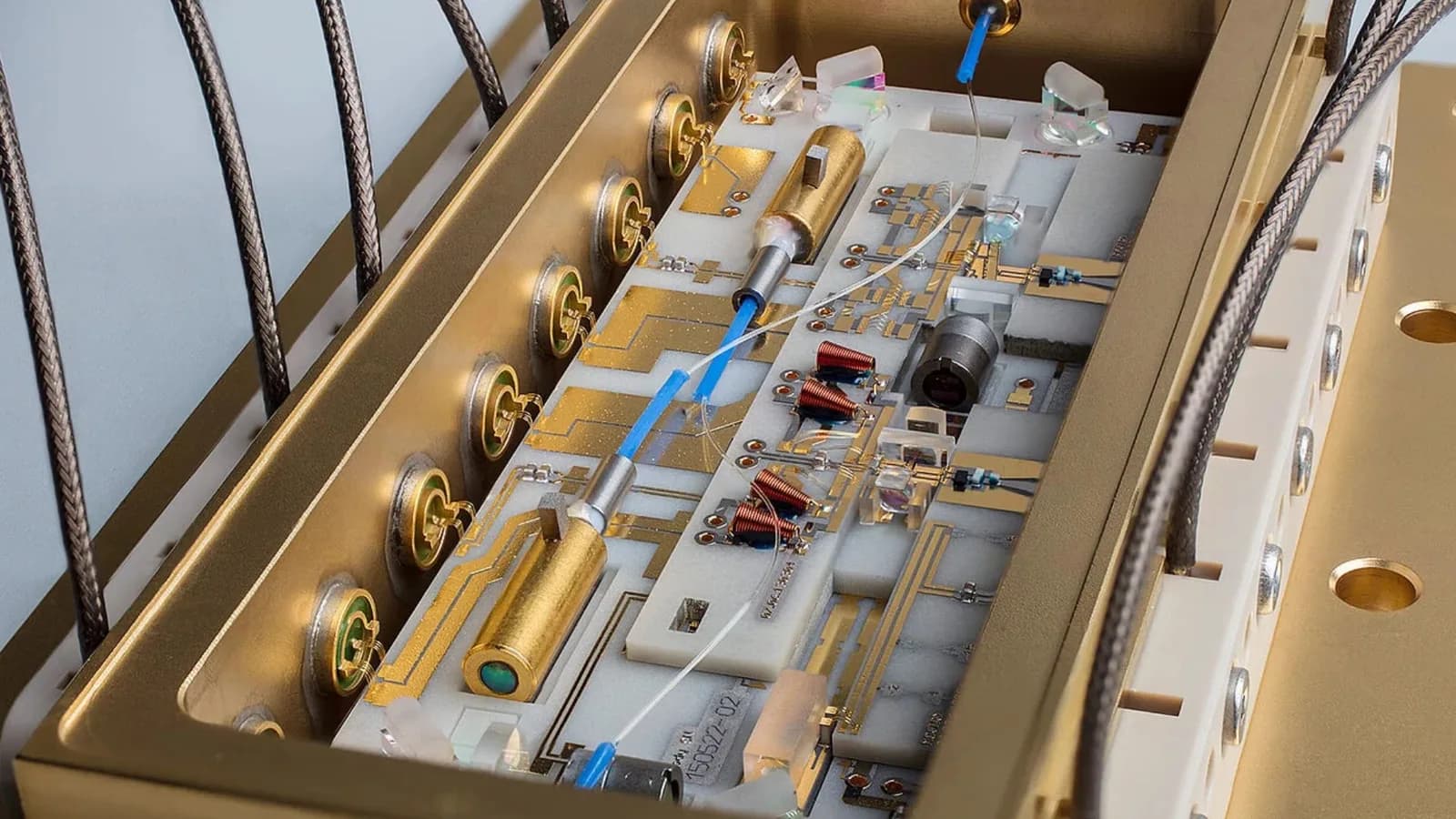
Scientists in Germany have launched a manufacturing platform that can carve diamonds at the nanoscale while embedding individual atomic-scale defects. The system aims to turn one of nature’s hardest gems into a reliable building block for next-generation quantum computers, ultra-secure communication links, and high-sensitivity quantum sensors.
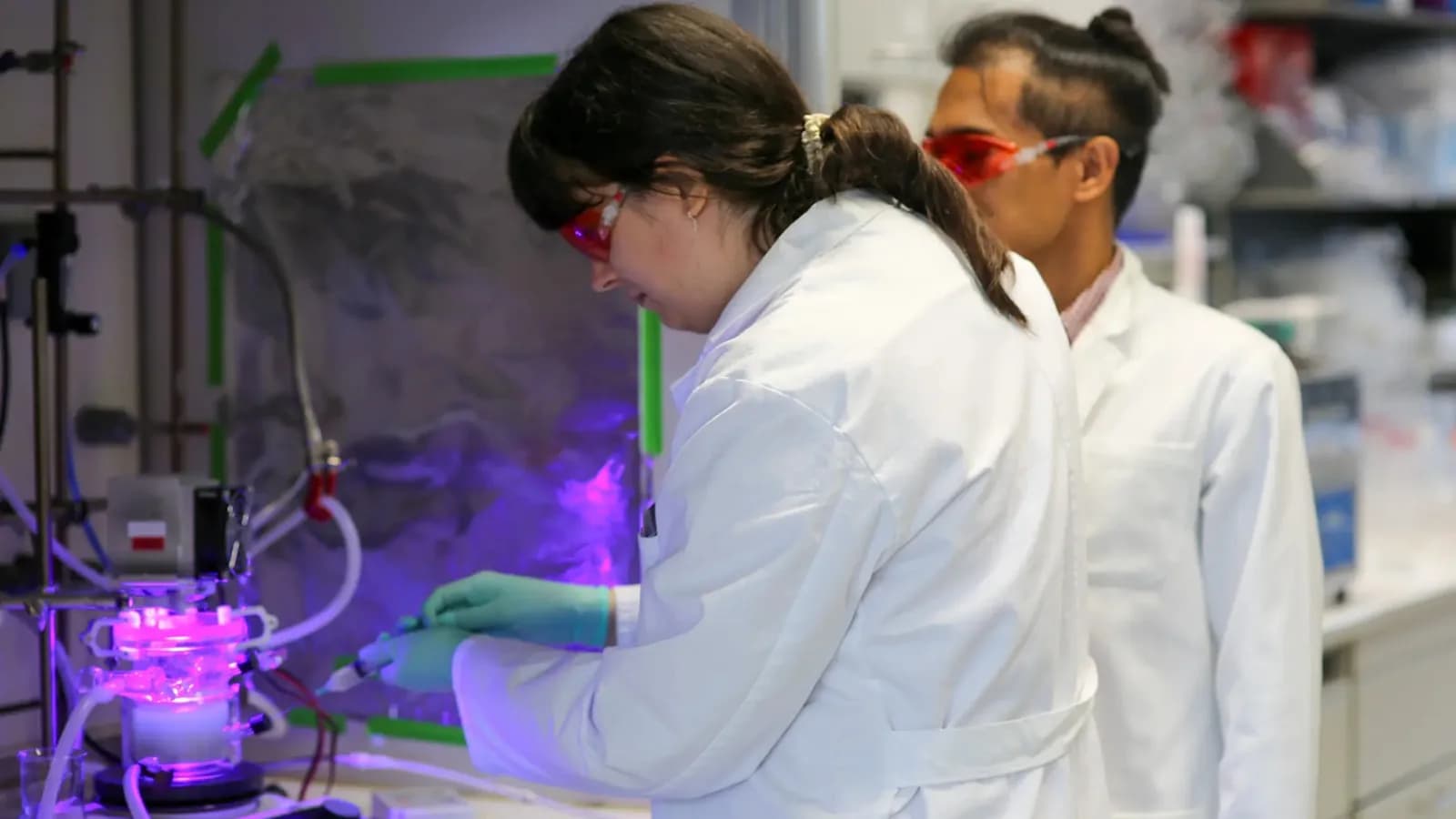
The initiative is led by the Joint Lab Diamond Nanophotonics, a partnership between the Ferdinand-Braun-Institut (FBH) and Humboldt-Universität zu Berlin.
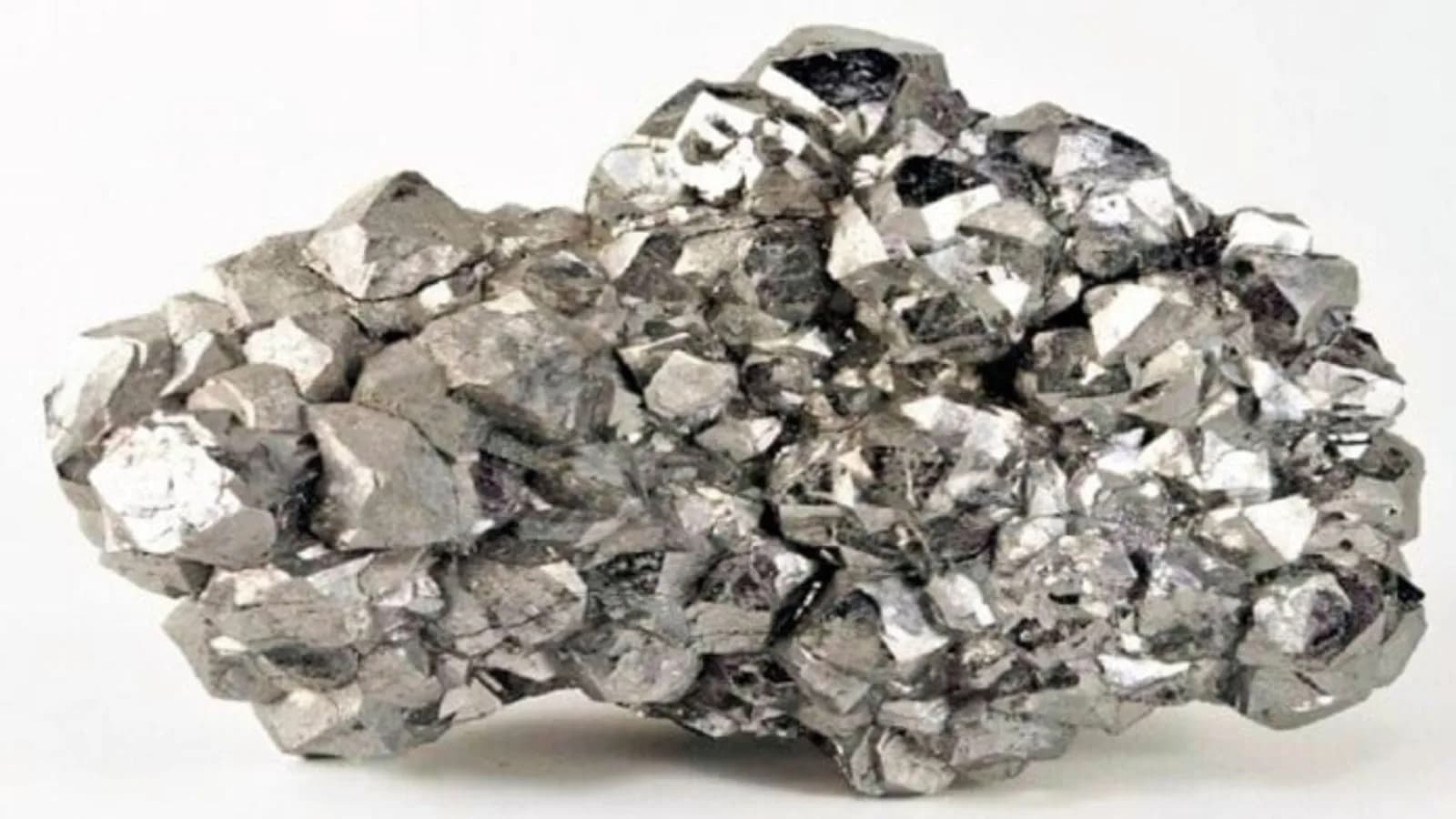
Diamond is a natural candidate for quantum hardware. Inside its rigid crystal structure, tiny missing carbon atoms or foreign elements form defects called color centers. These flaws behave much like trapped single atoms. Physicists can read and alter their spin states with laser light, creating stable bits of quantum information.
Yet building practical quantum microchips out of diamond has proved notoriously difficult. The global semiconductor industry spent decades perfecting the mass production of silicon circuits. Diamond processing, by contrast, is still in its infancy. Diamond is brittle, chemically stubborn, and prone to microscopic damage during handling.
Precision fabrication for future integration
The Berlin team tackled this hurdle by designing an industrial-grade fabrication pipeline built around three core stages.
The first stage focuses on surface cleanup. “Mechanical polishing can leave strain and damage near the surface, potentially introducing unwanted noise in quantum applications,” said the research team in a press release. To eliminate this issue, engineers use oxygen- and chlorine-based plasma etching. The technique strips away up to 20 micrometers of damaged material, leaving behind an exceptionally flat surface with an average roughness of only half a nanometer.
The second stage introduces functional quantum defects on demand. Engineers fire beams of selected ions directly into high-purity synthetic diamonds. The facility can insert atoms of nitrogen, silicon, germanium, tin, or carbon. Because the host diamond is virtually free of impurities, the implanted color centers retain long coherence times and remain shielded from surrounding electromagnetic interference.
“Finally, FBH can structure the diamond into nanoscale pillars,” added the press release. The researchers use electron-beam lithography to carve the diamond into nanoscale pillars. These tiny pillars act like built-in optical antennas.
When a single defect center inside the pillar emits a photon, the pillar channels the light upward instead of letting it scatter inside the crystal. This design sharply boosts the collection efficiency of single photons, a vital requirement for quantum networks that transmit secret cryptographic keys.
Adaptable to various defect types
“With our diamond processing capabilities, we are establishing a technology platform that brings together precise nanofabrication and quantum optical functionality,” said Prof. Dr. Tim Schröder, who heads the joint lab. He noted that the processes are adaptable to various defect types and can support research teams and industrial clients alike.
Moving forward, the team plans to fuse these diamond pillars directly into standard photonic circuits, clearing the path toward compact quantum light sources and scalable quantum repeaters.
“This allows us to develop and refine processes for different color centers and make them available for research and application-oriented development,” concluded Dr. Schröder.
Source: https://interestingengineering.com/science/diamond-pillars-for-quantum-computers
Get the latest news delivered to your inbox.
Related articles