
US Marines add new amphibious recovery fleet to keep combat vehicles moving in battle
BAE Systems has won a $230.1 million contract from the U.S. Marine Corps to produce...
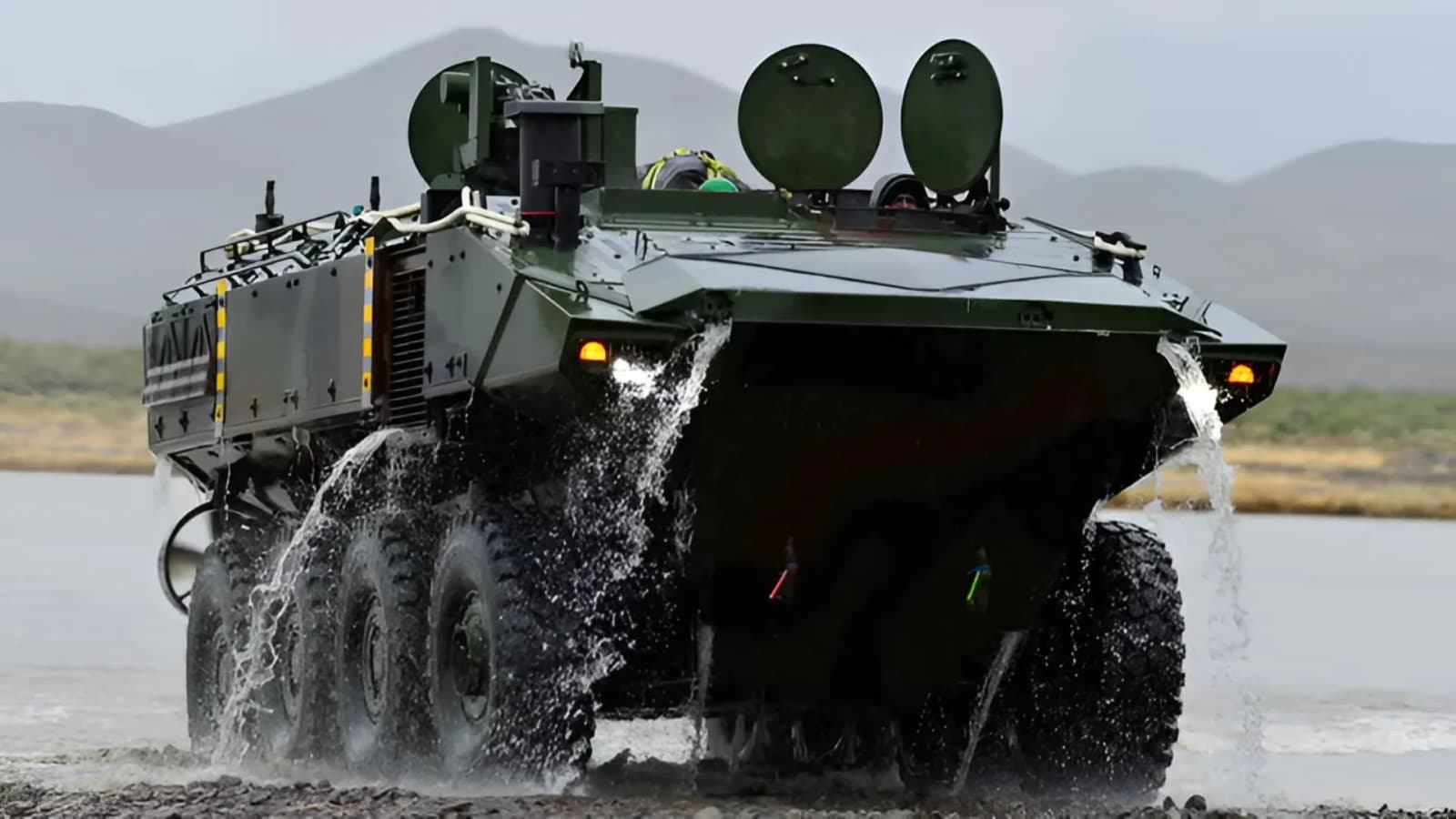
BAE Systems has won a $230.1 million contract from the U.S. Marine Corps to produce 32 chassis for a new Amphibious Combat Vehicle recovery variant.
The ACV Recovery Mission Role, or ACV-R, will give Marines a vehicle specifically built to recover disabled or damaged ACVs in the field. The new variant adds a support role to a vehicle family already designed for amphibious operations and combat.
Work on the program will continue through 2029. Most of the production will take place at BAE Systems’ facility in York, Pennsylvania.
Dedicated recovery vehicle
Recovering a disabled combat vehicle can become a major challenge during an active operation. Crews need to move damaged equipment away from danger while getting valuable vehicles back into service.
The ACV-R is designed around that requirement. It will provide the Marine Corps with a dedicated recovery platform capable of supporting ACV units during field operations.
The vehicle’s recovery equipment will include a Palfinger crane. The U.S. government will complete the crane’s design and final integration at Anniston Army Depot in Alabama.
Once that work is complete, the Marine Corps will field the ACV-R with its Fleet Marine Force units.
The recovery variant could also reduce the burden on other vehicles when an ACV becomes disabled. Instead of relying on improvised recovery arrangements, Marines will have a platform designed specifically for the job.
BAE Systems Vice President of Amphibious Vehicles Rebecca McGrane said the ACV-R represents an important addition to the Marine Corps’ fleet.
She also credited the company’s partnership with the service during the ACV program’s development and production.
One ACV, multiple missions
The ACV family uses a modular design that allows the Marine Corps to configure the platform for different missions. That approach gives the service a common vehicle architecture across several specialized variants.
The ACV-30 provides additional firepower with its 30-millimeter weapon system. The ACV-P, meanwhile, focuses on transporting Marines and their equipment.
The ACV-C serves as a command and control platform. The ACV-R will add vehicle recovery to that growing lineup.
Using a shared platform can also simplify fleet operations. Crews and maintainers can work with vehicles that share much of the same underlying architecture.
That commonality matters for a force that needs to move equipment across challenging terrain and operate far from established support infrastructure.
Production stretches into 2029
BAE Systems will carry out most ACV-R production in York under the new award. The program will run through 2029, giving the Marine Corps time to introduce the recovery variant into its broader ACV fleet.
The Marine Corps has been transitioning toward the ACV as it modernizes its amphibious vehicle capability. The platform is intended to transport Marines from ships to shore and continue operating after reaching land.
Recovery capability becomes especially important once those vehicles operate in contested environments. A disabled ACV can quickly become more than a maintenance problem if it blocks movement or remains exposed to enemy action.
The ACV-R gives Marines another way to deal with that situation. Its dedicated recovery equipment should allow units to retrieve disabled vehicles and move them toward maintenance support.
Source: https://interestingengineering.com/military/bae-systems-amphibious-recovery-vehicle
Related articles

SpaceX announces plan to become a ‘major mobile carrier’
SpaceX has acquired a portfolio of low-band spectrum licenses - a move the company says "will pave the way" for its Starlink Mobile service to become a "major" US carrier.

Anthropic launches free AI security scans for open-source projects
Anthropic's offering to help open-source projects track down security vulnerabilities with a new service called OSS Scanner.
World’s first drone to reach the stratosphere climbs 34,245 feet for weather data
Swiss weather technology company Meteomatics has unveiled a multicopter drone that it says reached an...

Apple will reportedly debut its first touchscreen MacBook in three weeks
Apple is set to introduce a new MacBook Pro with a touchscreen and an updated iPad Mini "on or around" October 27th, Bloomberg reports.

AMD will bring FSR 4 to handhelds by the end of 2026
It's already possible to get AMD's framerate-enhancing FSR 4 boost on handhelds as old as the Steam Deck - but in June, AMD reserved the right to disappoint handheld gamers by not officially bringing…

‘Modern-day Thomas Edison’ Elon Musk receives National Medal of Science from Trump
President Donald Trump awarded Elon Musk the National Medal of Science on Thursday, praising the...