US Navy advances plans to equip nuclear-powered submarines with cruise missiles
The US Navy is advancing plans to equip its future Virginia-class submarines with a nuclear-armed...
This story was prepared automatically by software.
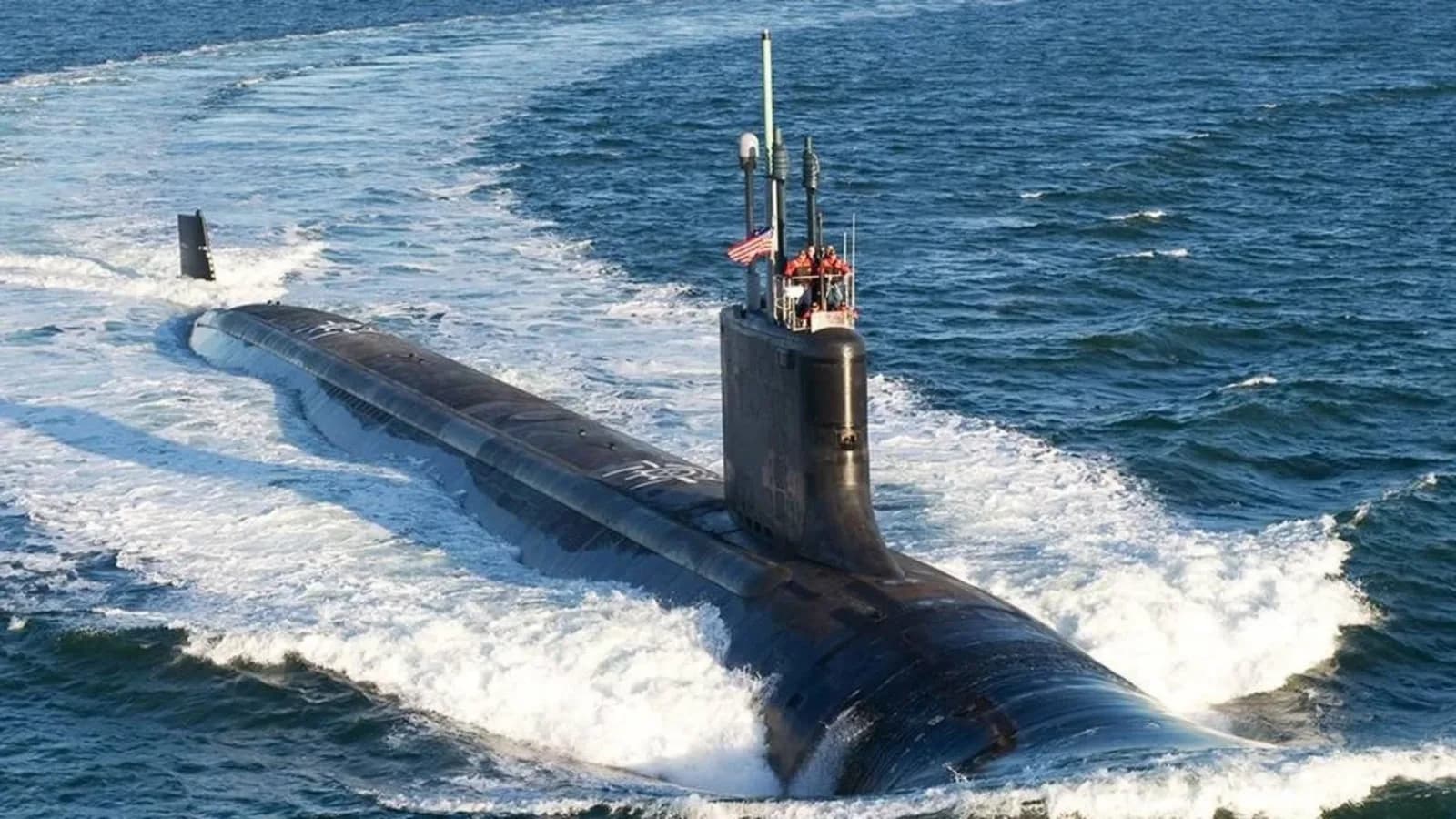
The US Navy is advancing plans to equip its future Virginia-class submarines with a nuclear-armed sea-launched cruise missile.
The program involves developing systems to integrate the weapon into the submarines and support its operation.
General Dynamics Mission Systems has secured additional funding to continue work on a fire control subsystem for the planned missile.
The effort forms part of a broader push to strengthen the Navy’s sea-based strategic deterrence capabilities, with development work scheduled to continue over the next two years as the service moves forward with the SLCM-N program.
Submarine fire control
The US Navy is developing a new fire control subsystem to support the integration of its planned nuclear-armed sea-launched cruise missile, known as SLCM-N, aboard Virginia-class submarines.
The system will support the weapon’s integration with the submarine platform, with engineering work focused on developing and testing the required fire control capabilities. General Dynamics Mission Systems has received a $194 million contract modification to continue this work through September 2028.
The contract modification covers engineering and technical services for the subsystem, which is intended to support the Navy’s future sea-based nuclear deterrence capability. Work began in April 2026 under an undefinitized contract action, a contracting arrangement in which work can begin before all contractual terms, including the final price, have been established.
The fire control subsystem is a key part of the interface between the submarine and the weapon it carries. In general, submarine fire control systems support weapon employment by processing relevant information, preparing launch-related data, and coordinating the functions required to use a weapon from the platform.
For SLCM-N, the subsystem must be developed and integrated to meet the requirements of the Virginia-class submarine. The available contract information does not specify its hardware architecture, software design, or the precise functions it will perform.
Nuclear cruise missile
The Virginia-class is the Navy’s nuclear-powered attack submarine platform, designed for missions that include anti-submarine warfare, intelligence gathering, and land-attack operations. Integrating a new weapon onto an existing submarine class requires the relevant systems to work together within the platform’s operational and technical constraints.
According to General Dynamics, fire control development and testing are therefore important steps in preparing the submarines to accommodate SLCM-N. However, the contract announcement does not identify a specific submarine variant or provide a schedule for completing weapon integration.
The additional funding will also expand the company’s engineering and manufacturing workforce. General Dynamics Mission Systems expects the work to create about 200 positions, primarily in engineering and manufacturing, at its Pittsfield, Massachusetts, and Manassas, Virginia, facilities. Around 75 percent of the contract work will take place in Pittsfield, with the remaining 25 percent assigned to Manassas.
The company is also investing $1.3 million to modify the two facilities for the program. The changes are intended to accommodate the SLCM-N effort and expand its fire control engineering and testing capacity. These investments will support the technical work required to develop and evaluate the subsystem as it progresses toward integration with the submarine platform.
General Dynamics Mission Systems already serves as the prime integrator for the Trident II Fire Control System, which supports the US Navy’s submarine-launched ballistic missile capability. The company said it would draw on its experience in weapon control, mission planning, platform integration and system testing for the new program. The Trident II system and SLCM-N represent different weapon programs, however, and the contract announcement does not establish that they will share the same fire control architecture.
The Navy’s SLCM-N program is intended to add a nuclear-armed cruise missile capability to its sea-based deterrence options. But the announcement does not provide a missile deployment date or confirm when Virginia-class submarines will become operational with the weapon.
Related articles