Glass-frozen for a year at minus 238°F, pig kidneys work again: A first for transplants
For the first time, scientists say they have frozen whole pig kidneys into a glass-like...
This story was prepared automatically by software.
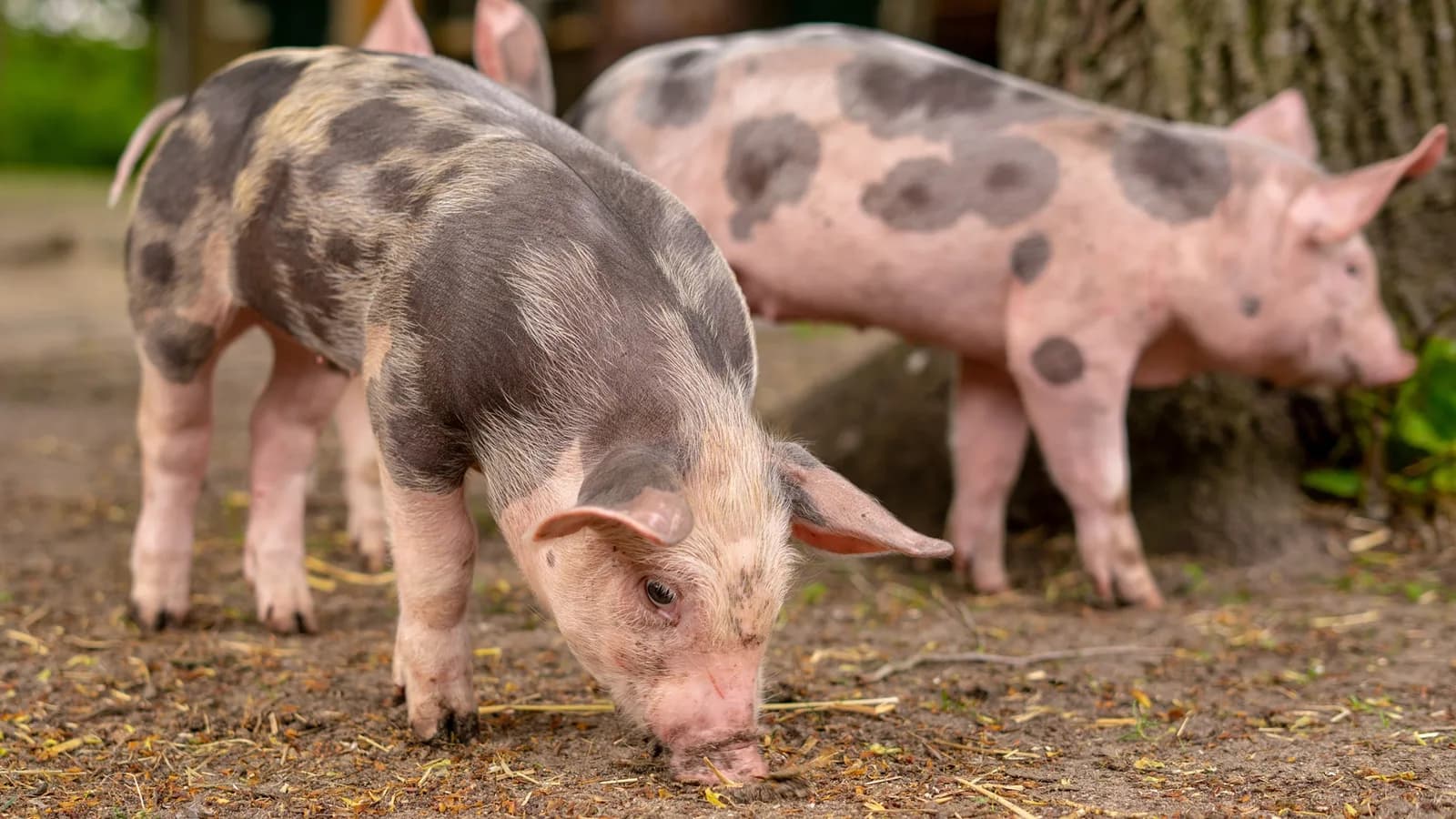
For the first time, scientists say they have frozen whole pig kidneys into a glass-like state, stored them for months at about minus 238 degrees Fahrenheit (-150°Celsius) and brought them back to working order, a step toward banking human organs for transplant.
One kidney stayed frozen for just over a year. After rewarming, the kidneys regained color and made urine, key signs of function, MIT Technology Review reported.
How a frozen kidney is revived
The team, led by transplant surgeon Erik Finger and bioengineer John Bischof, first loads a kidney with chemical cryoprotectants, which work like antifreeze, then infuses iron oxide nanoparticles. The organ is cooled with cold nitrogen vapor to a glass-like, or vitrified, state at about minus 184 degrees Fahrenheit (-120°Celsius) before settling at minus 238. The approach avoids damaging ice crystals.
Rewarming is the hard part. An electromagnetic field makes the nanoparticles release heat throughout the organ, and adjusting the field’s power controls how quickly it warms. Pig kidneys are roughly 100 times heavier than the rat kidneys the team vitrified in 2023, and Bischof said the cryoprotectant mix had to be modified, a change that took three years.
What the tests showed
Rewarmed kidneys were tested on perfusion machines and transplanted into pigs for two hours, and in both cases “they pink right up,” Finger said. They made urine within about a minute, though only about two-thirds of the normal amount. The year-old kidney, tested on a perfusion machine, produced urine immediately and looked better than many of the others.
Why it matters
Human organs can currently be preserved for only 24 to 36 hours, which turns matching and transport into a race. Banking organs for long periods could give doctors time to match donors to recipients and potentially prepare patients’ immune systems, which might reduce the need for lifelong anti-rejection drugs. “It’s the organs that are waiting for the patients,” Finger said.
Kevin Myer, who leads the organ procurement organization LifeGift, imagines banks of organs ready for emergencies such as drug overdoses and gunshot wounds.
Building on an earlier milestone
The result follows a 2025 milestone from the NSF Engineering Research Center ATP-Bio. Massachusetts General Hospital researchers stored a pig kidney for 10 days at about 5 degrees Fahrenheit (-15°Celsius), then transplanted it into a living pig and restored function, according to the University of Minnesota. The university cited National Institutes of Health data showing about 20% of donated kidneys can’t be used because they can’t be kept on ice long enough to reach recipients.
Hurdles ahead
The kidneys aren’t perfect. They produced less urine than expected and showed injury that the researchers attribute to the cryoprotectants. Greg Fahy, a cryobiology pioneer who was not involved, said the experiments can’t show whether the kidneys could have supported life. Peter Kilbride, a cryobiologist also not involved, called the work “one big breakthrough that solves half the problem.”
The next steps are longer tests in pigs, less toxic cryoprotectants and experiments with human kidneys.
The University of Minnesota-led team posted its results on the preprint server bioRxiv.
Related articles