‘Pac-Man enzyme’ on bacterial surfaces eats polyester bioplastic and cleaves penicillin
A research team at the University of Konstanz has discovered a new bacterial enzyme that...
This story was prepared automatically by software.
A research team at the University of Konstanz has discovered a new bacterial enzyme that degrades certain polyester plastics and bioplastics and also cleaves penicillin, a pairing that suggests microbes may adapt to plastic faster than scientists expected, according to a study in The ISME Journal.
The enzyme sits on the outside of bacterial cells and has an unusually wide-open active site, a structure that led microbiologists Harry Lerner and David Schleheck to dub it the “Pac-Man enzyme.” Lerner was the study’s first author and, at the time, a postdoctoral researcher at the university.
Why it matters
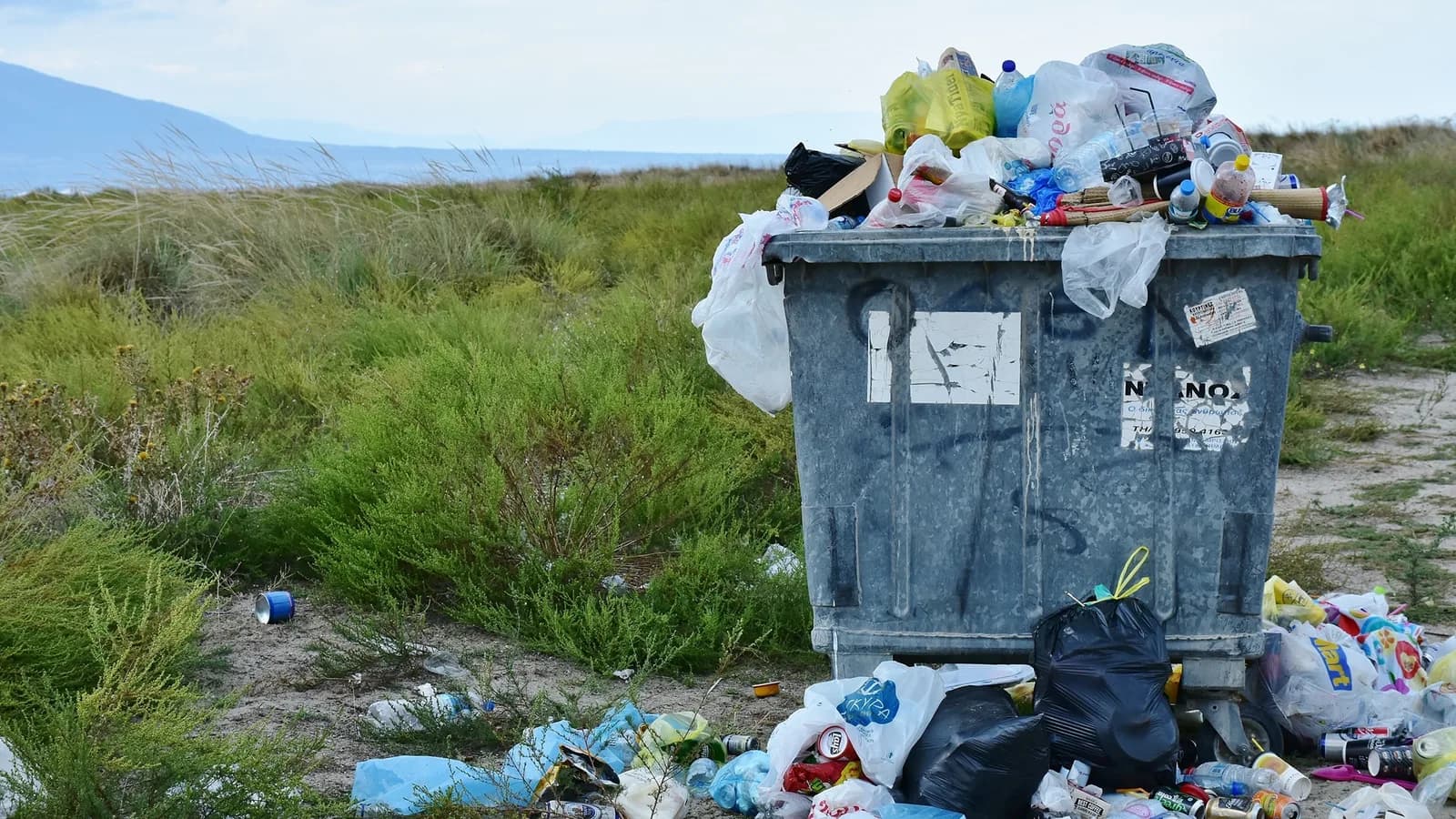
Most synthetic plastics are broken down by microbes only very slowly, so waste mostly fragments into microplastics and nanoplastics. High-density polyethylene (HDPE) can take several hundred to a few thousand years to biodegrade. Microbes do colonize plastic waste, forming a habitat researchers call the “plastisphere,” but they generally cannot use most plastics as food.
A year in the forest soil
Lerner and Schleheck, a professor of microbial ecology, studied how fully microbes degrade bioplastics, using long-chain aliphatic polyester (LCAP) films developed by chemist Stefan Mecking’s group. They buried films about 4 inches (10 centimeters) deep in the humus layer of the forest at the university’s botanical garden. They also mixed bioplastic powder into the same soil in the lab and tracked carbon dioxide from microbial respiration for a year.
All the bioplastics tested, including LCAP, PHBV and PCL, were completely degraded in roughly 250 to 330 days. Cellulose broke down in about 80 days, while HDPE showed virtually no degradation.
Electron microscope images of the buried LCAP film revealed micrometer-sized holes, each matching the size and shape of a single bacterial cell. The team hypothesizes that bacteria coated with plastic-depolymerizing enzymes anchored to their surfaces digest their way into the film. That would challenge the assumption that bacteria simply release such enzymes into their surroundings.
The enzyme with two jobs
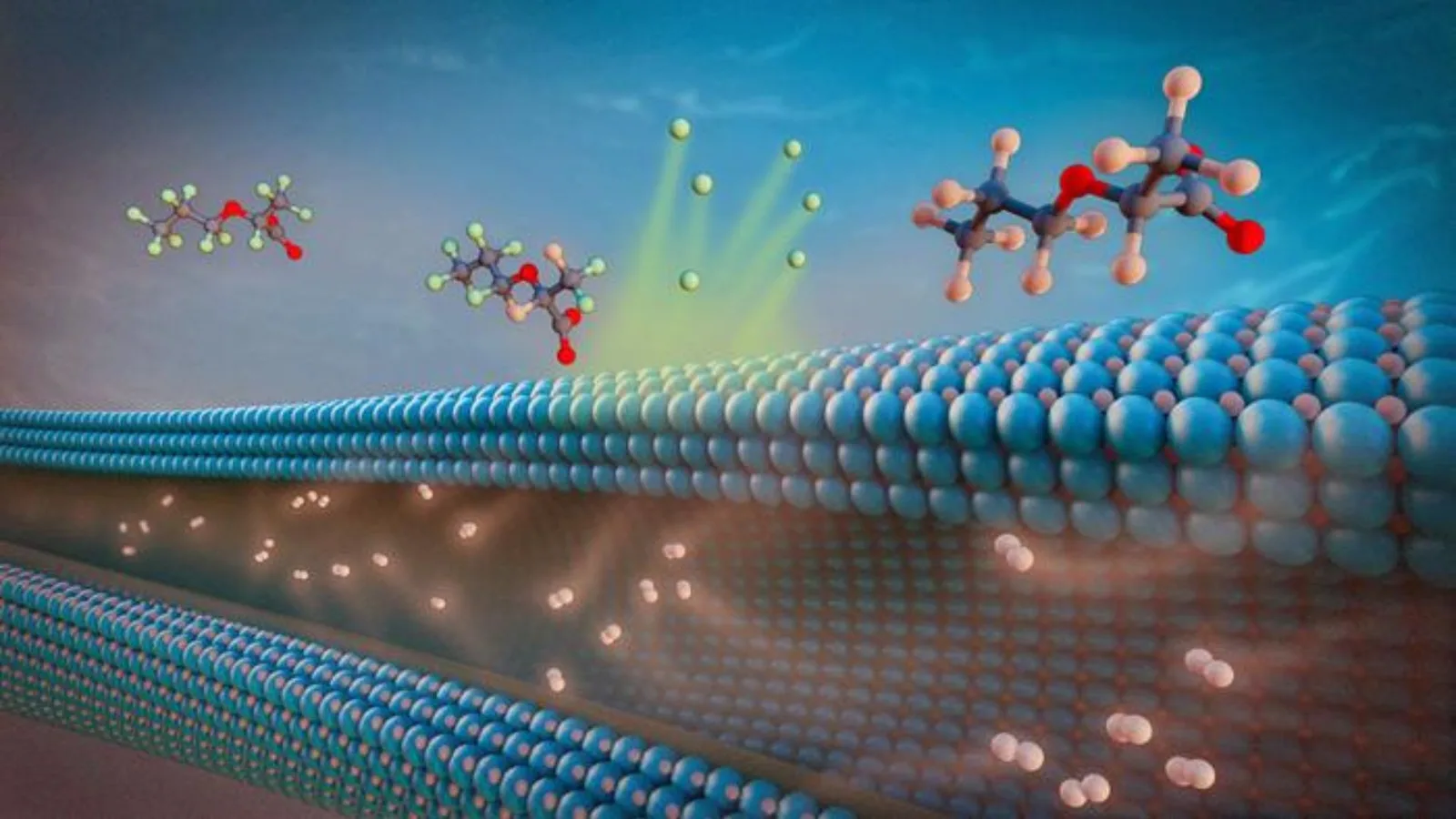
Searching DNA from the soil, the researchers found a gene highly enriched only in soil containing LCAP. It encodes an esterase with a secretion signal and a lipid anchor that keeps it attached to the cell surface. Its structure also resembles beta-lactamases, enzymes that cleave the beta-lactam ring in antibiotics such as penicillin. In the lab, the team showed the enzyme breaks polyesters into monomers and also cleaves penicillin, both through hydrolysis.
The surface attachment helps with both jobs, Schleheck explained. Plastic building blocks form near the cell, so bacteria can take them up before they drift away or are claimed by neighbors. Antibiotics are disarmed before they can enter the cell.
A resistance link, with caveats
Lerner said scientists have been puzzled by how common antibiotic-resistance genes are in the plastisphere. The findings suggest organisms there may evolve dual functions, giving them a double advantage. It is also possible that some such enzymes now specialize in degrading plastic, with the beta-lactamase activity a leftover from their evolution.
What it means for plastic waste
Schleheck said it is encouraging that bacteria appear able to adapt to polyester plastics faster than expected, and that people need to work with microbes’ capabilities. Ideally, that means using polymers with biochemical breaking points, such as the ester bonds in LCAP, for plastic that escapes recycling and ends up in the environment.
Related articles