US Navy eyes Super Intelligence to balance its massive 10,100-ton SSN(X) submarine
The US Navy wants to explore how advanced ‘Super Intelligence’ tools could help engineers tackle...
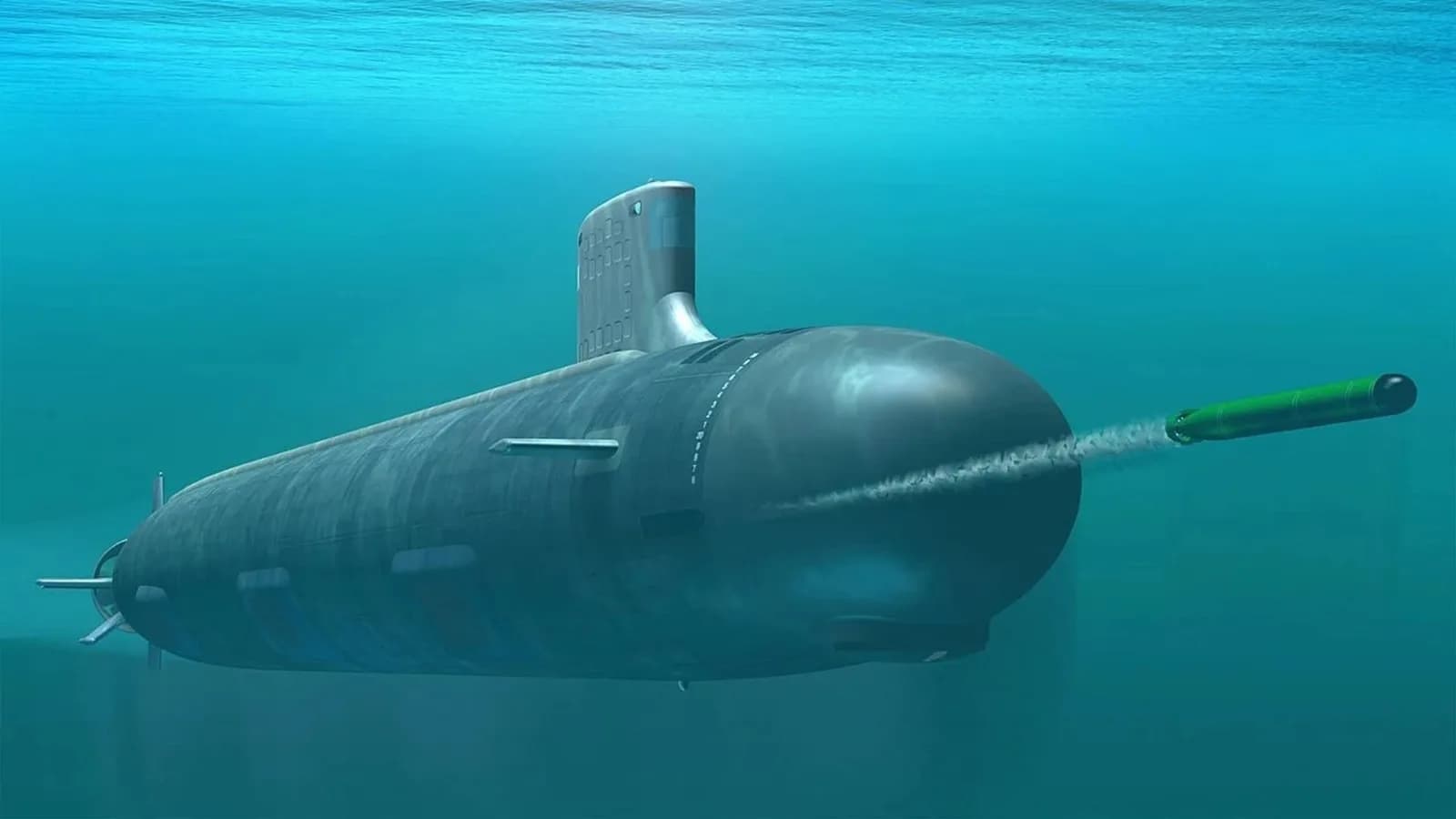
The US Navy wants to explore how advanced ‘Super Intelligence’ tools could help engineers tackle one of submarine design’s most demanding challenges. The service is seeking industry proposals for software that could help arrange the complex systems packed inside its next-generation SSN(X) attack submarine.
Naval Sea Systems Command issued a presolicitation notice on October 30 through its SSN(X) program office. Interested companies must register their capabilities by November 6. The Navy could open a formal competition as early as next week.
The initiative targets the submarine’s internal configuration, where even minor design changes can affect the vessel’s overall balance. Engineers must fit increasingly sophisticated equipment into a confined hull without compromising underwater stability or operational performance.
SI tackles submarine design
The Navy wants competing industry teams to develop concepts for the SSN(X) System Arrangement Concept Design. This stage determines how engineers distribute major systems throughout the submarine.
Interestingly, the Navy’s notice uses the term “Super Intelligence,” coined by President Donald Trump, when describing the technology it wants industry to explore. The upcoming opportunity will seek concepts that apply this approach to SSN(X’s) internal arrangement. It also aims to reduce technical risks during the integration process.
The proposed software could help address the difficult task of coordinating equipment placement within the vessel. Its design must accommodate the nuclear propulsion plant and weapons systems. Sensors and supporting machinery also require carefully allocated space.
Crew accommodation introduces another important consideration. Engineers must account for personnel requirements alongside the submarine’s technical and operational systems.
However, the Navy has not outlined specific software requirements or demonstrated capabilities. The notice does not explain whether developers should produce automated layouts or evaluate competing configurations. It also leaves open the possibility of other engineering applications.
Companies must submit non-proprietary expressions of interest outlining their relevant expertise. The Navy also wants applicants to identify themselves as traditional or non-traditional defense contractors. The presolicitation notice does not disclose funding, award numbers, or a projected development schedule.
Balancing weight and buoyancy
Hydrostatic balance presents a particularly demanding engineering problem for submarine designers. A submerged vessel must maintain the correct relationship between its weight and buoyancy.
Its center of gravity and longitudinal trim also determine how it behaves underwater. Poorly positioned heavy equipment can disrupt that balance. Engineers may then need to reconsider other components throughout the vessel.
The propulsion plant presents an especially important consideration because of its substantial weight. Weapons compartments and other major systems also influence the submarine’s internal arrangement. Changes in one area can trigger adjustments elsewhere.
The SSN(X) program aims to bring together several capabilities from existing American nuclear submarines. The Navy wants Seawolf-class speed and weapons capacity. It also seeks Virginia-class acoustic discretion and sensor performance.
Columbia-class ballistic missile submarines offer another important reference point. Their operational availability forms part of the Navy’s broader design ambitions for SSN(X).
Preliminary estimates place the new submarine’s submerged displacement at approximately 10,100 tons. That would make it substantially larger than the original Virginia-class design. The latter displaces approximately 7,800 tons.
The Navy has yet to reveal how much ‘Super Intelligence‘ will influence the final design process. Its upcoming industry competition should provide a clearer picture of the technologies developers can bring to the program.
Source: https://interestingengineering.com/military/us-navy-super-intelligence-ssnx-submarine-design
Related articles