US Navy prepares sailors to repair new equipment without internet or expert help
The U.S. Navy is developing standalone training packages to help sailors use new repair equipment...
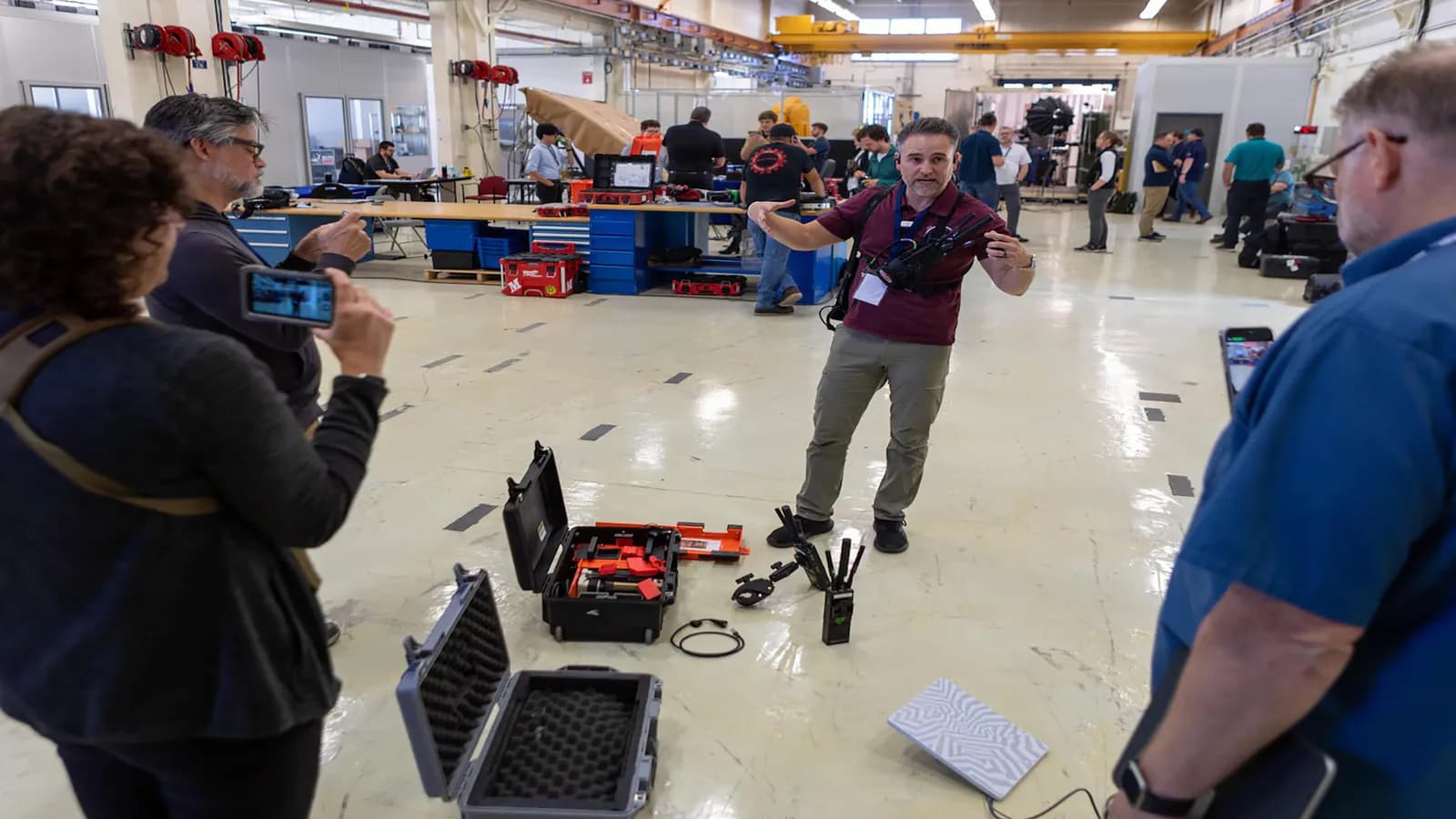
The U.S. Navy is developing standalone training packages to help sailors use new repair equipment when specialists or internet access are unavailable.
Naval Sea Systems Command and Naval Undersea Warfare Center (NUWC) Division, Keyport, completed the first phase of the Training Repair Technology Exercise, or Train-REX, in Keyport, Washington, on Sept. 14-18. Six commercial developers worked with Navy specialists and equipment manufacturers to gather material for packages covering six maintenance and repair technologies already being used or being transitioned to the fleet, NAVSEA said Nov. 3.
The work is meant to close the gap between new equipment reaching a ship or remote site and crews knowing how to use it. The Navy wants sailors to set up and operate the tools without relying on the specialists who developed them. A second phase will test whether the training works in practice, including for forward-deployed crews who may lack internet access.
How the Navy is building the training packages
Developers had a short window to record how each system worked. They used spatial scans, close-up photos and voice recordings as experts dismantled and reassembled equipment, the Navy said. They also worked with manufacturers and Navy subject matter experts, or specialists familiar with each system.
“We don’t always have the training fully developed for it,” said Jeff Campbell, a NAVSEA technology manager at Keyport and one of Train-REX’s planners. He said the gap can become clear when a container of unfamiliar equipment reaches a forward-deployed site and crews do not know how to operate them.
The Navy named alternative power systems, flange-facing machines, composite repair products and distance support kits among the technologies. A flange-facing machine resurfaces the flat face of a pipe flange to help create a leak-tight connection. NAVSEA named four of the six technologies in its announcement.
Developers were given six weeks to turn the material into training modules, with one more chance to consult Navy specialists before validation, the Navy said.
Testing the packages without experts
During the second phase, training developers will instruct sailors and civilian maintainers using only the materials they created. The original technology specialists will not be present, according to an NCMS notice describing the round-robin exercise.
More than 144 sailors and civilian maintainers from NUWC Keyport, Puget Sound Naval Shipyard and Intermediate Maintenance Facility, and Trident Refit Facility Bangor were expected to take part, NAVSEA said. NCMS scheduled validation for the week of Nov. 2, with groups rotating among the stations.
The schedule does not confirm that testing has finished. NAVSEA’s Nov. 3 announcement said validation was scheduled for November but did not report participant numbers or provide test results. The main question is whether the training packages will give maintainers enough information to operate unfamiliar equipment without help from the original specialists.
The Navy has not released pass criteria or explained how it will decide which packages are ready for fleet use. NAVSEA has not said when it will publish the validation results.
Get the latest news delivered to your inbox.
Related articles