US nuclear fusion reactor push to deploy advanced plasma tech, hardware in new pact
Fusion energy has long promised virtually limitless, low-carbon power by mimicking the physical reactions that...
Fusion energy has long promised virtually limitless, low-carbon power by mimicking the physical reactions that fuel the Sun. But turning laboratory experiments into working power stations remains a huge problem. Connecting that power to the electrical grid is one of science’s greatest engineering challenges.
Now, an international pact aims to bridge that divide. Engineering firm Amentum has agreed to a strategic partnership with Japanese developer Kyoto Fusioneering. Under a new agreement, the two companies plan to combine their technical resources.
Together, they will focus their work across Japan, the United States, and the United Kingdom. Their shared ambition is straightforward, which is to move fusion from experimental physics rigs into commercially viable power plants.
Building a commercial reactor is fundamentally a systems challenge. Reactors require specialized internal hardware that can endure conditions hotter than the solar core.
Combining industrial engineering with digital innovation
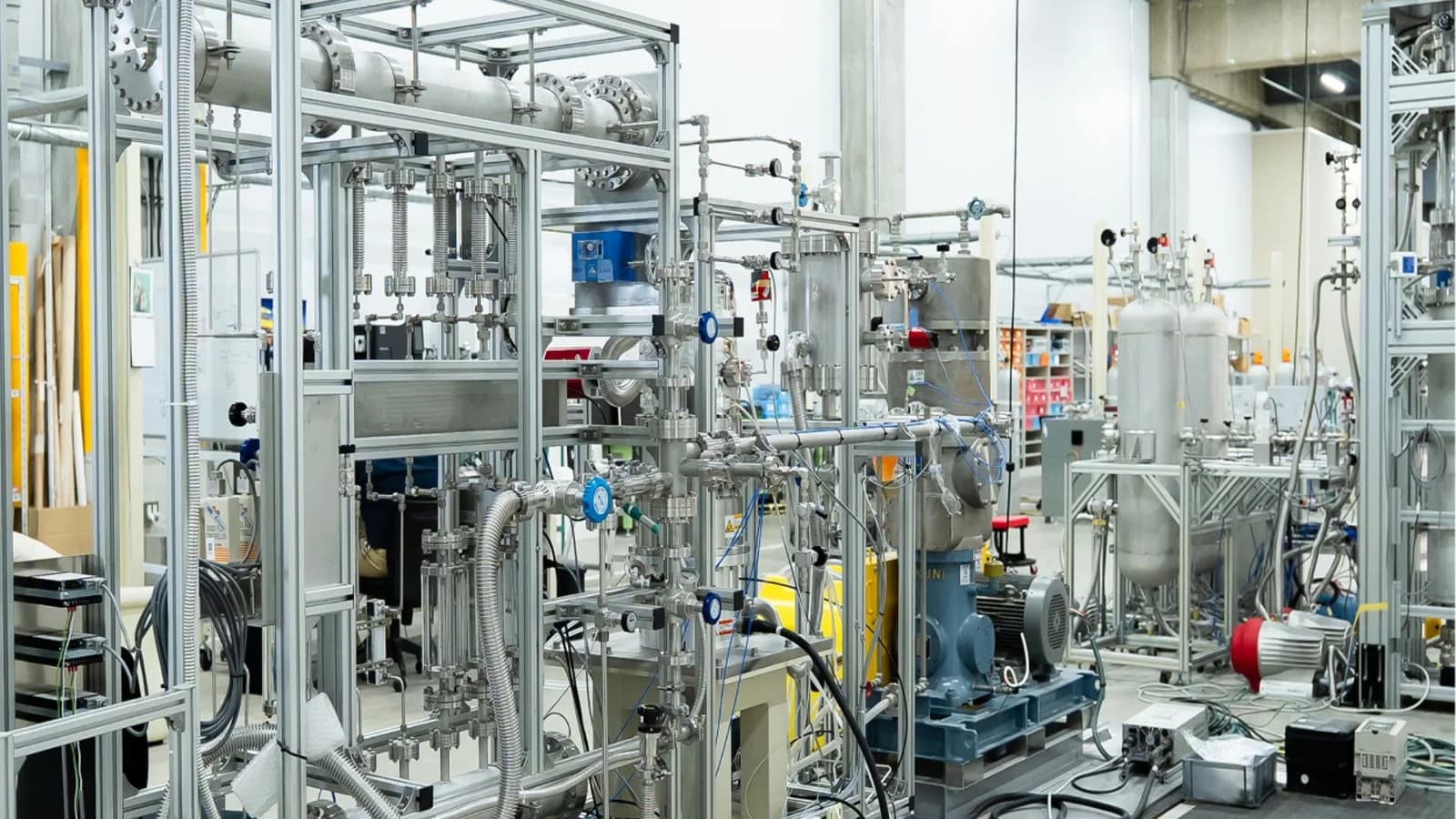
Kyoto Fusioneering supplies several of these critical technologies. These include plasma heating devices, advanced fuel-cycle equipment, and “breeding blankets” designed to generate tritium fuel within the reactor walls. Amentum, by contrast, brings the nuclear safety protocols, systems engineering, and large-scale delivery management needed to construct actual industrial facilities.
“Building a fusion power plant will depend on collaborations like this one,” said Kiyoshi Seko, president and chief operating officer of Kyoto Fusioneering. He noted that Amentum provides the scale of nuclear engineering experience that developers urgently need as projects advance toward physical construction.
A major focus of the venture will be digital simulation. The teams intend to deploy artificial intelligence and digital engineering tools to model plant operations. In theory, testing virtual designs will cut down development cycles, predict equipment degradation, and avoid costly trial-and-error during physical builds.
The agreement comes amid rising momentum in Japan. Tokyo’s national fusion strategy has channeled substantial public backing into private demonstration ventures, giving firms like Kyoto Fusioneering a springboard to pursue joint ventures across western markets.
“This collaboration comes at a pivotal moment,” said Mark Whitney, president of Amentum’s energy and environment division, arguing that combining their specialisms will directly tackle the delivery hurdles stalling commercial deployment.
Extreme testing and reactor hardware trials
The initiative builds on Kyoto Fusioneering’s growing international testing footprint. In October, the company joined forces with the DIII-D National Fusion Facility in California, a testbed backed by the US Department of Energy.
Inside a fusion tokamak, operators face a brutal thermal dilemma. The core plasma must stay searingly hot for atomic nuclei to fuse, but the surrounding chamber walls must stay cool enough to avoid structural failure.
To help resolve this, Kyoto Fusioneering is supplying heat-resistant tiles for an advanced “divertor”—the exhaust component that expels waste heat and impurities from the plasma chamber. Alongside researchers from Columbia University, engineers will run extended operational tests on DIII-D’s reverse-D-shaped plasma.
Data gathered from those California trials will feed directly into US Department of Energy roadmaps. The measurements will help physicists assess plasma stability, validate computer models, and choose the resilient materials required for the world’s next generation of pilot plants.
Get the latest news delivered to your inbox.
Related articles