US researchers build $450 bioprinter that prints living structures over 100 layers tall
Researchers at the University of Rochester and Cornell University have turned a standard 3D printer...
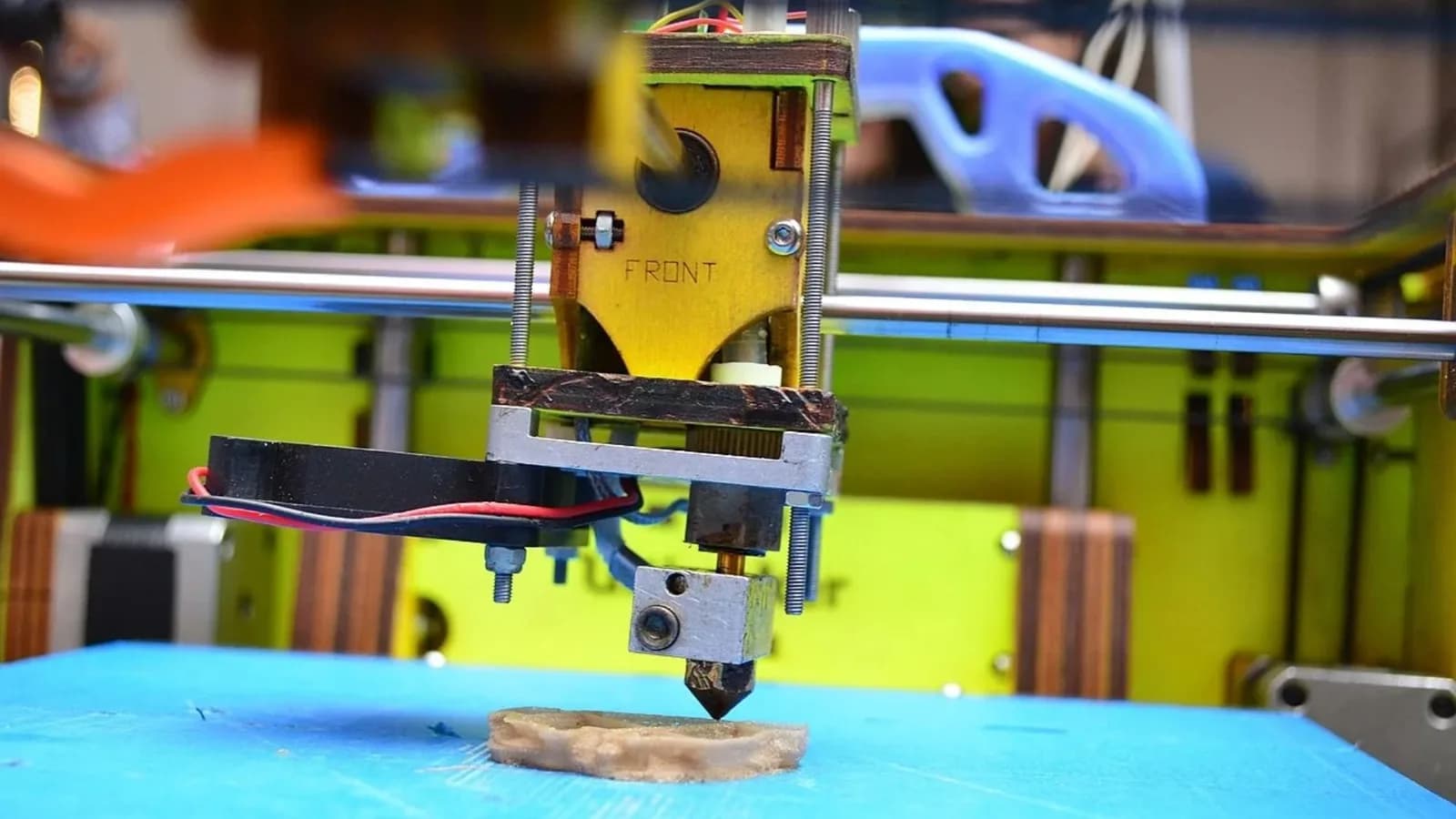
Researchers at the University of Rochester and Cornell University have turned a standard 3D printer into a $450 bioprinter capable of building living structures more than 100 layers tall.
The machine can also print shapes with hollow cavities, giving scientists more control over the geometry of materials that contain living cells.
The researchers set out to address two problems with bioprinting: commercial machines can cost upward of $100,000, and the soft structures they produce can collapse before they set.
A $450 upgrade to a standard printer
A conventional 3D printer deposits molten plastic layer by layer. The team replaced the plastic filament extruder with a syringe pump that dispenses bio-ink, a mixture of living cells and a polymer solution. The ink sets into a gel after printing, holding the cells within the finished shape.
The syringe can also pull back the ink. That gives the printer more control over where the material stops flowing, reducing the ooze that can blur the edges of a print.
“We aim to create DIY bioprinters using inexpensive, easily obtainable parts, so that they are affordable and easy for other scientists to make in their own labs as well,” said Anne Meyer, a University of Rochester biology professor.
A support gel takes prints past 100 layers
Earlier DIY bioprinters could produce structures fewer than 20 layers tall. To build taller prints, the team deposited the bio-ink into a soft support gel, known as a slurry.
The surrounding gel holds each layer in place while it sets, allowing the printer to keep adding material without the lower layers collapsing.
The same support makes it possible to leave hollow spaces inside a print. Those cavities can expose more of the material’s surface to its surroundings.
Meyer said that geometry could help embedded bacteria take up nutrients or respond to signals from their environment. It could also help substances the bacteria produce move out of the material more quickly.
That control over shape could matter for applications such as treating contaminated water or breaking down plastic waste.
In both cases, the choice of bacteria determines what the material can do, while its geometry influences how much of it comes into contact with its surroundings.
Printed microbes survive for at least four weeks
The researchers made two versions of the support gel. One allows the finished structure to be removed easily.
The other lets the team keep the print in the gel for incubation. In that version, the embedded microbes remained alive for at least four weeks. With earlier methods, printed bacteria began to die after about nine days.
The longer survival period could help researchers study biofilms, the three-dimensional communities of microorganisms that grow on surfaces. The two gels give scientists options depending on what they want to examine.
They could use the approach to make prints that more closely resemble medically relevant biofilms for lab studies, or produce sturdier living structures for experiments that depend on the material holding its shape.
Get the latest news delivered to your inbox.
Related articles