US spacecraft returns to Earth after 48 days in orbit in historic double reentry mission
Varda Space Industries said its W-9 capsule landed at the Koonibba Test Range in South...
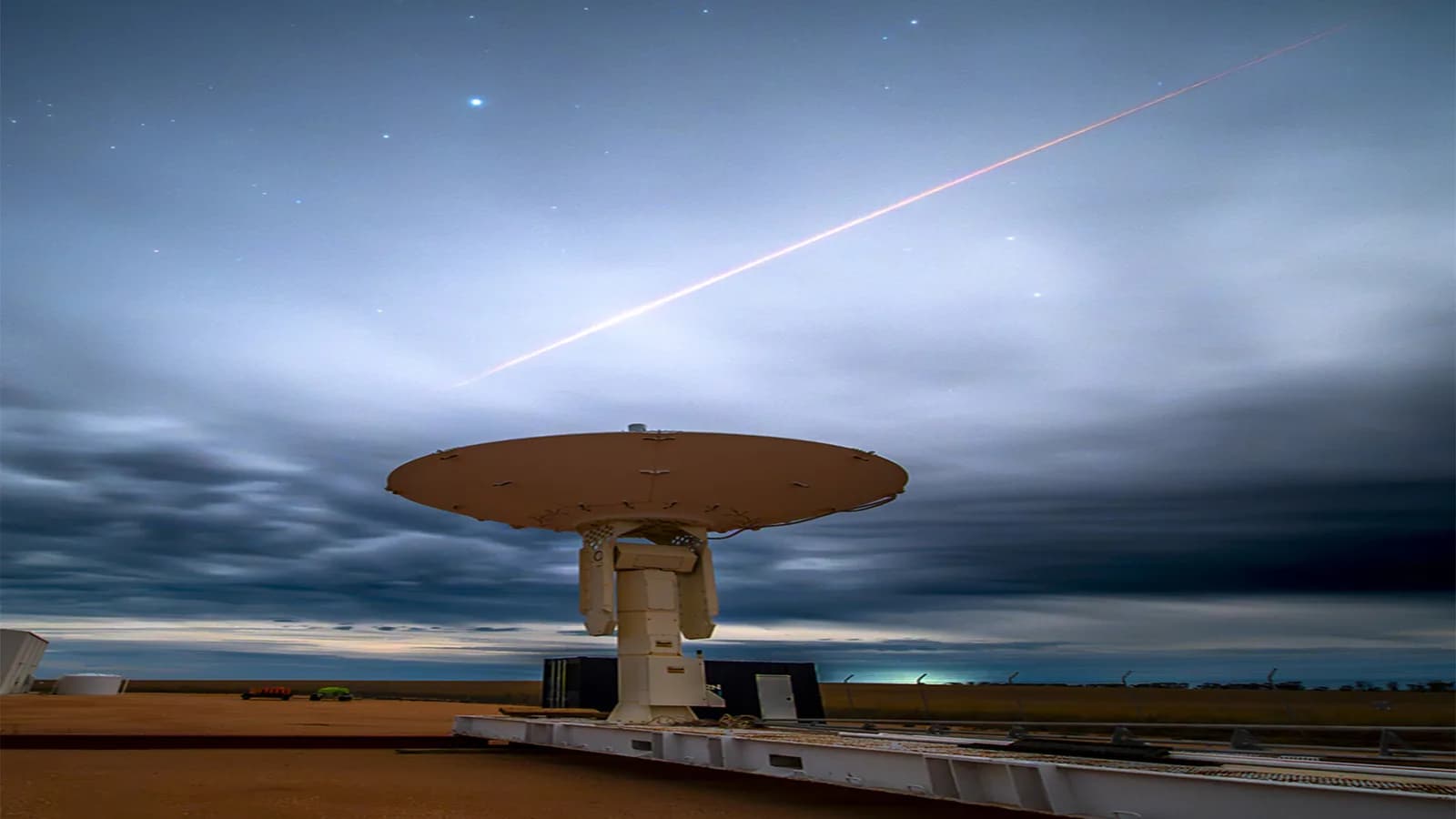
Varda Space Industries said its W-9 capsule landed at the Koonibba Test Range in South Australia at 5:56 a.m. Pacific time on Nov. 17, after 48 days in orbit. The El Segundo, California, company said W-9 was its second spacecraft to reenter this month.
W-9 and W-8 launched together on Oct. 1. Varda said that made them the first two commercial reentry vehicles ever launched on the same rocket. The company said the spacecraft then returned separately and on schedule, with W-8 landing first on Nov. 5 at 5:58 a.m. Pacific time.
Wendy Shimata, Varda’s vice president of autonomous systems, said launching two spacecraft together and bringing them home on different days proves Varda leads its peers on flexibility in mission sets. She said each successful return shows “regular, reliable access to orbit and back is increasingly routine.” The release gave no flight counts or costs to back the view that returns are becoming routine.
W-9 carried heat shield samples
W-9 carried a government-funded system built to capture data during hypersonic flight, meaning travel above five times the speed of sound, according to Varda’s release. Varda said that flight regime cannot be replicated on the ground. The release did not name the funder or the system’s maker. On the capsule’s exterior, a nose tile was embedded with small samples of next-generation composites.
Varda said the composites are under development to push ablative thermal protection forward. Ablative shielding is designed to wear away as it sheds heat. The company said the samples faced the full heat of reentry.
Heat shield testing is not new for Varda. Its W-6 capsule carried a Sandia National Laboratories nose tile with embedded temperature sensors and two NASA shoulder tiles. W-6 also launched with a government-funded navigation experiment backed by the U.S. Space Force and the Air Force Research Laboratory. The release does not say whether W-9 flew a similar experiment.
W-7 stays in orbit
Varda said its mission operations team in El Segundo kept W-9 operating in orbit through W-7’s launch and W-8’s reentry. The company said launching vehicles together and returning them separately gives it more flexibility to schedule flights around customer needs. In an earlier release,
Varda said it launched W-7 to study cancer drug crystallization in orbit. The company describes itself as a leader in orbital pharmaceutical processing, and its first capsule returned HIV drug crystals made in orbit.
The release reports no results from W-9’s data system or the composite samples, so how either performed is unknown. The “first” claim for the shared launch is Varda’s own, and the release is the only source for the 48-day figure and the landing details.
Varda said W-7 remains healthy on orbit and is scheduled to return before the end of the year. The company expects to share updates on its mission in the coming weeks.
The press release was published Nov. 17, 2026.
Source: https://interestingengineering.com/space/varda-w9-capsule-reentry
Get the latest news delivered to your inbox.
Related articles