
US unveils PAC-3 Edge interceptor targeting hypersonic threats at higher altitudes
Lockheed Martin has unveiled a new missile interceptor designed to strengthen the US Army’s defenses...
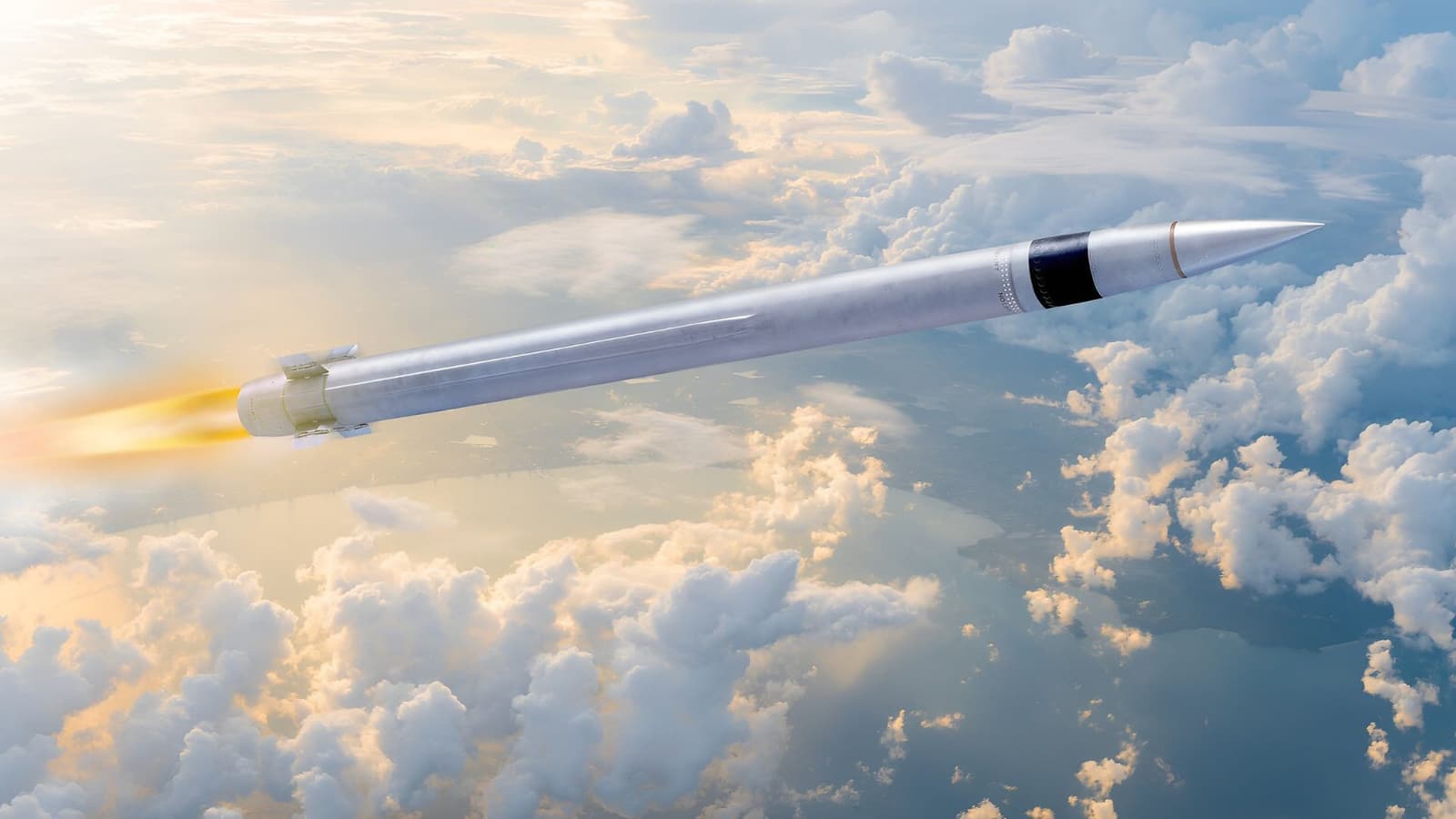
Lockheed Martin has unveiled a new missile interceptor designed to strengthen the US Army’s defenses against hypersonic weapons and other advanced aerial threats. Called PAC-3 Edge, the system aims to engage targets at greater ranges and altitudes than existing capabilities allow.
The interceptor draws on technology from the combat-proven Patriot Advanced Capability-3 Missile Segment Enhancement (PAC-3 MSE). Lockheed Martin plans to begin testing the new system in 2027, with deployment targeted for 2031.
The weapon is part of the Army’s Future Interceptor program, which seeks to improve protection against increasingly sophisticated missiles. Lockheed Martin has advanced to the program’s next development stage as the Army evaluates potential solutions.
New seeker drives precision
At the heart of PAC-3 Edge sits an advanced seeker developed at Lockheed Martin’s Strigo Product Center. The company says the technology will improve the interceptor’s ability to track and engage sophisticated threats.
Lockheed Martin has invested $250 million in the Strigo facility to support seeker development. The investment backs efforts to improve precision and maneuverability as adversaries develop more capable weapons.
Seeker performance matters because interceptors must identify and track targets while operating under demanding conditions. Hypersonic weapons pose particular challenges because they travel at extreme speeds and can maneuver during flight.
PAC-3 Edge also incorporates upgraded control systems. These changes aim to improve performance across greater distances and at higher altitudes, expanding the range of threats the Army can engage.
The design retains a connection to the existing PAC-3 family. That approach could help the Army strengthen its missile defenses without abandoning the technology and infrastructure already supporting its air defense operations.
New propulsion extends engagement range
Northrop Grumman is developing a multi-pulse solid rocket motor for the interceptor. The propulsion system can deliver thrust in multiple stages, helping maintain control over acceleration throughout the flight.
That capability could give PAC-3 Edge greater flexibility when pursuing targets across different engagement conditions. Combined with the upgraded seeker and control systems, the motor is intended to improve maneuverability and overall flight performance.
Lockheed Martin Missiles and Fire Control President Tim Cahill said the interceptor builds on the PAC-3 MSE’s established capabilities. He described PAC-3 Edge as offering greater maneuverability, power, and velocity. The company expects these improvements to strengthen the Army’s ability to address emerging missile threats.
However, the system remains in development. Testing will help determine how its new components perform together and whether the interceptor meets the Army’s operational requirements.
Existing launch systems remain central
PAC-3 Edge is designed to work within the Army’s broader integrated air and missile defense network. Planned integration options include the M903 launcher and the Integrated Battle Command System (IBCS).
Lockheed Martin also identifies containerized launchers and HIMARS Flex among the system’s intended integration options. Compatibility with existing and emerging platforms could give the Army more flexibility in deploying the interceptor.
The weapon would join a layered defense architecture that combines different systems to protect military installations and other critical assets. Its intended role is to expand engagement options against threats that challenge conventional air defense capabilities.
The Army’s Future Interceptor competition will shape the program’s next steps. Lockheed Martin now faces further development and testing before its proposed system can reach operational service.
If the company meets its current schedule, PAC-3 Edge could begin entering service in 2031. Its eventual contribution will depend on test results and the Army’s assessment of its performance against advanced missile threats.
Related articles
China’s Starlink rival links Arctic and Antarctic in sub-second satellite video call
China has demonstrated a new capability for its Guowang satellite network, connecting researchers in the...

Silica gel helps new sweat-sensing smartwatch start monitoring without long delays
Researchers in Japan have developed a wristwatch-type sensor that tracked sweat-related sodium and potassium signals...
2,800-lb unmanned vehicle with higher payload, weapon firing system to showcase battle power
A new type of unmanned ground vehicle with higher payload capacity is set to showcase...

Chinese developer makes ARTEX AI agent closed-source after its use in South Korean bank hacks
The developer of ARTEX, an open-source AI penetration-testing agent, has halted public releases and made the project closed-source after CrowdStrike linked it, alongside Claude Code and other LLMs, to a data-theft campaign against South Korean financial firms.

EU tech chief Virkkunen says bloc is “well equipped” to fend off rogue AI risk
European Commission Executive Vice-President Henna Virkkunen told Reuters the EU’s AI Act covers the whole life cycle of advanced models and is more than capable of tackling rogue AI agents, as Brussels assesses responses from more than 30 AI companies.

TypeSafe, maker of non-text AI model Jev, raises $870 million at $7.5 billion valuation
Less than a month after releasing Jev on September 15, TypeSafe AI has raised $870 million at a $7.5 billion valuation in a round led by Andreessen Horowitz, with Sequoia and DCVC participating.