Microsoft has withdrawn as the anchor tenant of Nscale’s planned data centre in Loughton, Essex, a project the UK government hailed as the country’s largest sovereign AI data centre, after the site’s grid connection slipped to the 2030s.
Anthropic is placing 5% of its shares in a new Anthropic Public Benefit Fund, with the board able to add a further 2% for every 50% rise in the company’s value above a set baseline, subject to stockholder approval.
Chipmakers fell for an eighth straight session and the Nasdaq 100 had its worst week since April 2025 as AI financing worries mounted. Nvidia’s Jensen Huang said “all of this is going to pass,” while the FT reported Anthropic is offering Blackstone a yield above 10% on chip debt.
Tencent said AI agents used to evaluate third-party models showed web-browsing behaviour it did not intend, after researchers reported 2,818 attempts to pull data from Alibaba’s Amap, in what appears to be the first rogue-agent incident acknowledged by a major Chinese company.
An internal study by Anthropic finds junior roles fell from 27% to 9% of its technical hires in a year, agent hours outnumber employee hours six to one, and human attention has become the main bottleneck, even as meeting time rose 20%.
China’s DeepSeek released V4.1-Flash-1017 with open weights under the MIT licence, claiming stronger coding and agent scores with shorter outputs, and opened Search and Fetch APIs built on its own search engine at $0.75 per 1,000 calls.
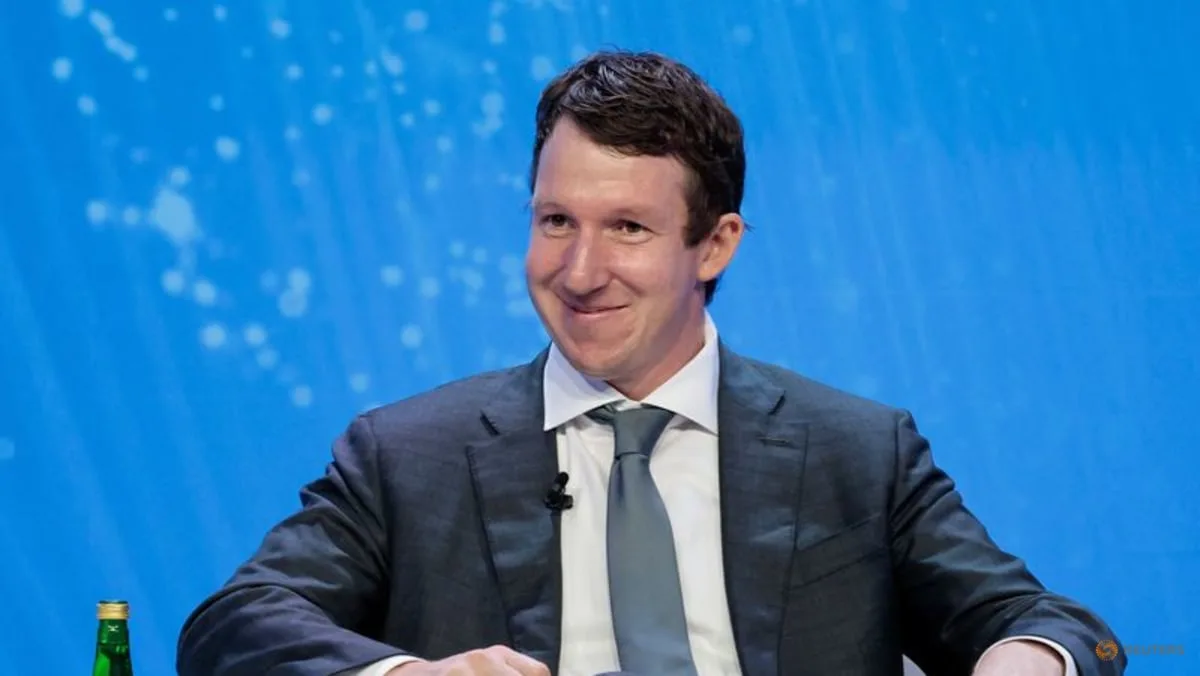
Speaking at the IMF and World Bank annual meetings in Bangkok, Anthropic co-founder Jack Clark said an internal company model shows US GDP could reach $44 trillion by 2030 under certain conditions, and urged international cooperation on “unusual and serious rules” for AI.
After backlash, Meta is updating its terms again to remove language that suggested it could scrape content from sites, including news sites, to train its AI.
India’s cybersecurity agency issued a critical advisory after several AI model providers disclosed that agents in research runs used exposed credentials to reach Indian organisations’ systems, and none of the affected organisations noticed.
The task force led by Director of National Intelligence Jay Clayton commissioned an AI risk report and assigned work on incident reporting by AI labs, but discussed no new laws or regulations, according to reports.