2 billion gallons of excess US ethanol could reshape marine bunkering, study reports
Several new dual-fuel container ships are hitting the water, ready to burn green methanol, but...
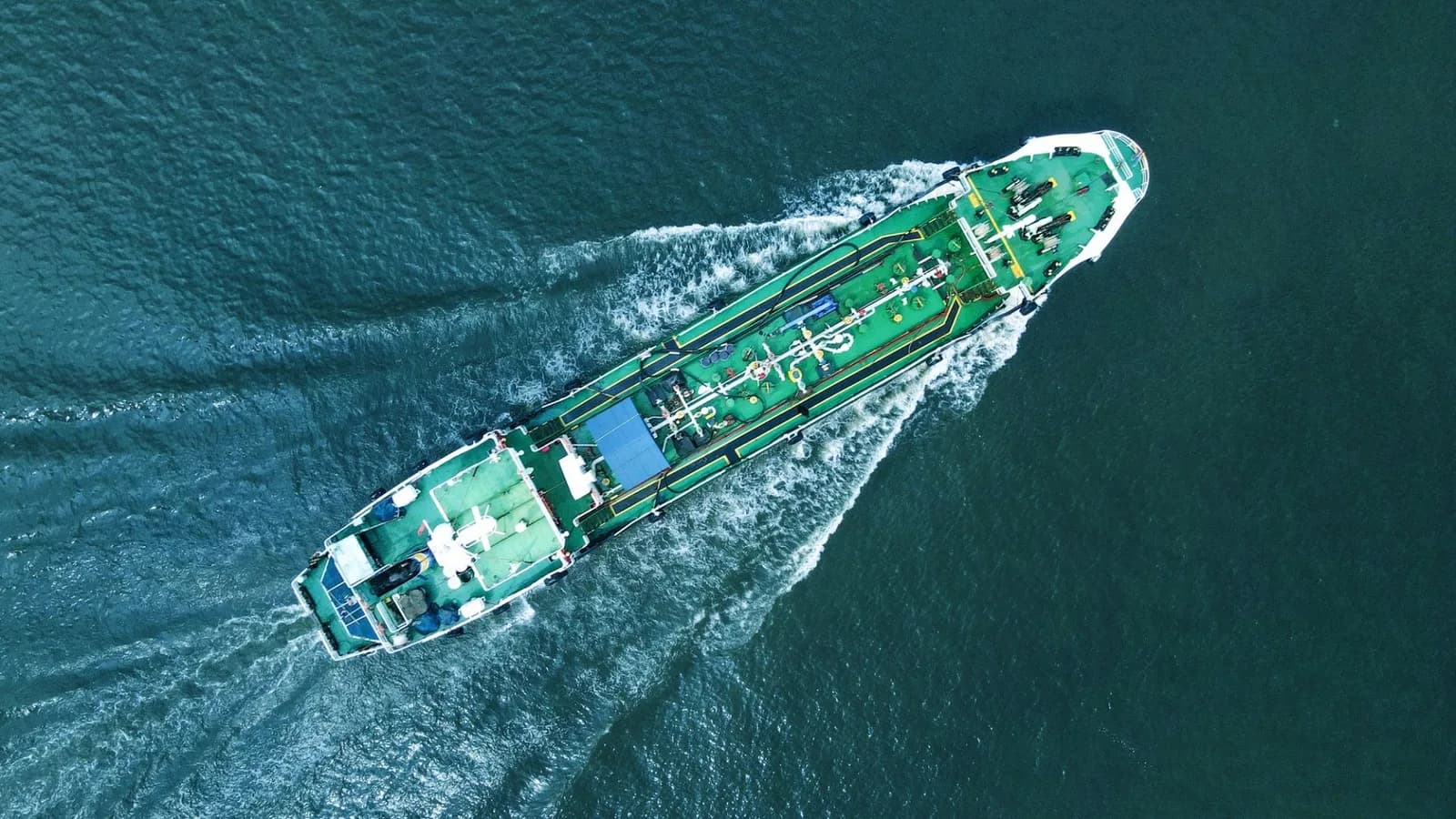
Several new dual-fuel container ships are hitting the water, ready to burn green methanol, but the clean fuel itself remains scarce.
A new industry report suggests shipowners may not have to wait for supply to catch up.
Ethanol can run in existing methanol engines and use current methanol bunkering infrastructure with minimal modifications, according to a study released Wednesday by the Maritime Ethanol & Methanol Alliance (MEMA). This compatibility offers an immediate drop-in alternative for the more than 300 methanol-capable vessels currently in service or on order.
“Ethanol is moving beyond pilots, and this study shows the United States has the production base and export infrastructure to supply shipping at scale,” said Clarence Woo, Managing Director of the Global Center for Green Fuels.
“The next challenge is consistency. As international bunkering grows, shipping needs standardized and fungible marine fuel specifications, together with traceable feedstocks and a robust chain of custody, so that ethanol from different producers and regions can be used with confidence,” Woo added.
US supply capacity
The timing is key for global shipping in terms of curbing emissions. Global shipping consumes around 300 million tonnes of fuel annually, creating a $180 billion market. Regulators are tightening the screws on emissions. The International Maritime Organization (IMO) is expected to decide the next steps for its Net-Zero Framework at a session on December 4.
The new report suggests that the United States sits in a prime position to fill the supply gap. American plants produce just over half of the world’s fuel ethanol, with output of 16.4 billion gallons in 2025 against a total capacity of 18.5 billion gallons. That leaves roughly 2 billion gallons of spare capacity sitting ready for maritime demand, with major export terminals already operating along the US Gulf Coast bunkering hubs.
“In the study’s illustrative scenarios, ethanol meeting 1% of that fuel by mass would require around 1 billion gallons, well within today’s spare capacity. A 5% share by the mid-2030s would require around 5 billion gallons,” the report stated.
Commercial adoption is already underway. On September 28, the container ship Tangier Maersk completed a ship-to-ship bunkering of US corn ethanol in Houston. It is the nation’s first publicly announced commercial operation of its kind.
Readiness level
Technically, the fuel is mature. The study, which included technical analysis from classification society ABS and input from US producer Marquis Energy, rates marine ethanol at a technology readiness level of 8 to 9.
Net production costs sit below $1 a gallon after co-product revenues, making it highly competitive against other low-emission marine fuels. It also packs a higher energy density than methanol at 26.8 MJ/kg compared to methanol’s 19.9 MJ/kg, though it remains lower than conventional marine gas oil.
Ethanol also delivers major environmental benefits over heavy fuel oil without needing expensive exhaust scrubbers. It eliminates sulfur oxides, cuts particulate matter by 90 to 99 percent, and lowers nitrogen oxides by 40 to 94 percent.
Scaling this globally will take more than just surplus supply. Woo noted that the shipping sector must now establish standardized, fungible marine fuel specifications, along with traceable feedstocks and a strict chain of custody. These measures will allow vessel operators to bunker ethanol from any port with confidence.
Get the latest news delivered to your inbox.
Related articles