200,000 gallons of water a day: Heat from AI data centers could power desalination plants
Turning the tables, American technology innovation companies are positioning AI data centers as major water...
This story was prepared automatically by software.
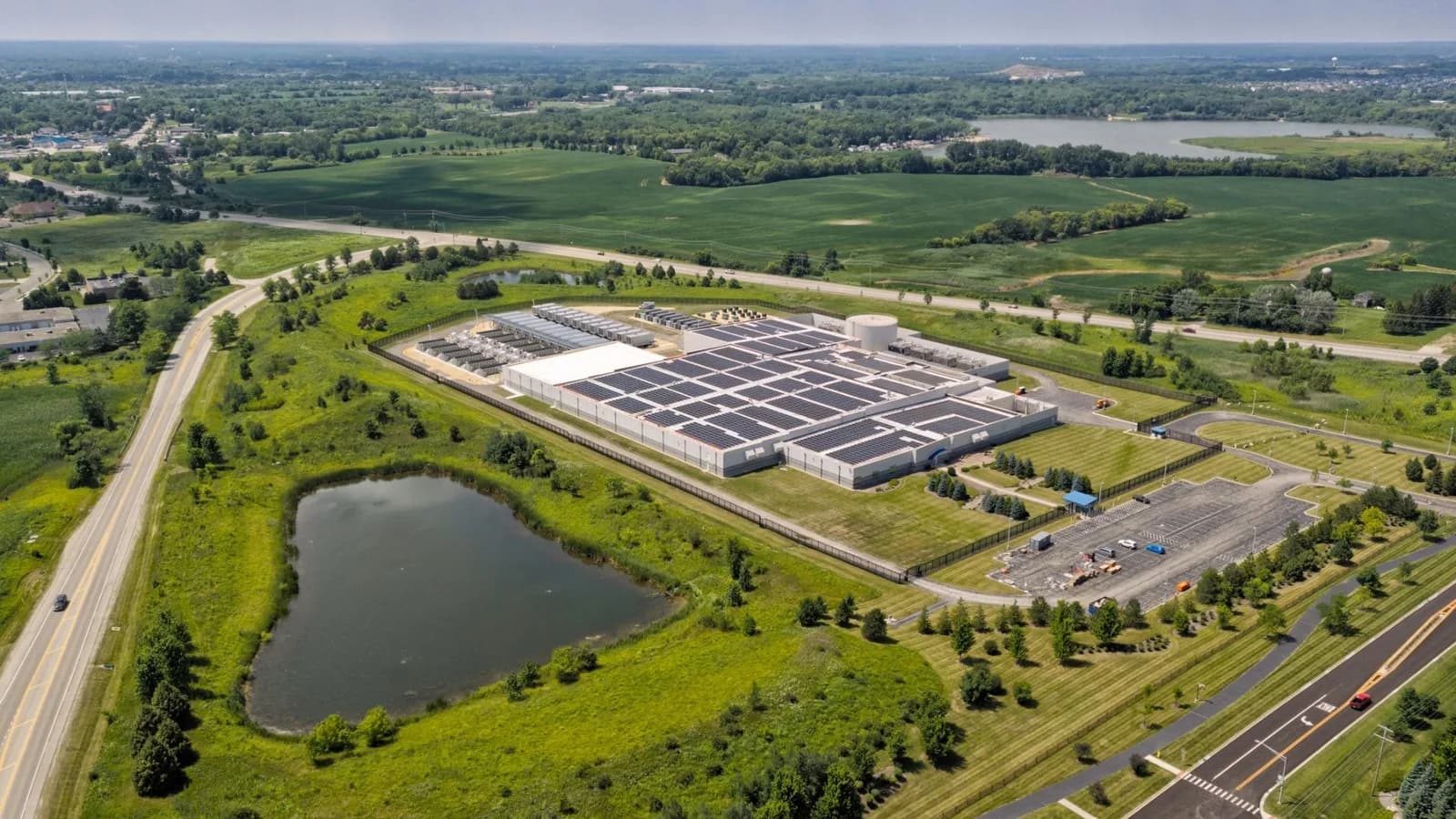
Turning the tables, American technology innovation companies are positioning AI data centers as major water producers rather than water guzzlers.
The companies said that with new forward-osmosis-based desalination plants, data centers can produce up to 200,000 gallons (about 750,000 liters) of clean water a day from brackish groundwater for every megawatt of computing capacity.
To make this a reality, two US-based technology innovation companies, Endeavor and Trevi Systems, announced a partnership Thursday to scale up heat-driven desalination plants, with the first pilot deployment at Endeavor’s data center.
Waterless cooling system
They plan to use the heat generated by AI data centers to power a process that makes fresh water from brackish or produced water, reducing the need for additional electricity to drive the process.
This technology works like a smart water-cleaning machine that uses heat instead of a lot of extra electricity or fresh water. It uses a closed-loop, waterless cooling system, which means it doesn’t need to keep adding new water.
The heat it creates is used for Trevi’s forward osmosis, where water is pulled through a special membrane by a draw solution, much like water being gently sucked through a filter.
Unlike reverse osmosis, it does not require very high pressure. Then the draw solution is regenerated with 60 to 80°C heat so it can be used over and over. This system removes salt and other contaminants while turning the brine into solids, using almost all waste heat.
The system can make up to 31 liters of clean water for every 1 kWh of computing, the company said. That means a 100-megawatt campus could also function like a 20-million-gallon-a-day water plant, with the energy already coming from the computers beside it.
Turning brine into solids
Beyond producing fresh water, the technology also helps avoid a major bottleneck in typical desalination plants. For every liter of freshwater produced, a typical seawater desalination plant sends about a liter and a half of salty brine back to the sea.
Treating this salty wastewater is expensive and energy-intensive, so much of it is usually discarded because processing the brine at concentrators costs too much.
Unlike conventional desalination plants, which consume nearly 16 to 26 kWh/m³ at their concentrators and 52 to 70 at their crystallizers, Trevi’s system could reduce energy demand by 85 percent.
This is made possible by the system’s zero-liquid-discharge technology, which evaporates the brine into solid salt and reduces the need to handle liquid waste.
“Every day the world pumps more than a hundred million cubic meters of brine back into the sea. Trevi’s process runs on heat that is normally thrown away, and that changes the arithmetic,” said Jakob Carnemark, founder and CEO of Endeavor.
According to the International Energy Agency (IEA), data centers consumed 415 terawatt-hours of electricity in 2024. That figure is projected to more than double and rise to about 945 terawatt-hours by 2030.
If the heat from that future data center fleet is captured and reused this way, it could theoretically generate “more than half the 130 million cubic meters per day of clean water currently produced by every desalination plant on Earth,” the statement read.
Related articles