
Biohub, DOE, NIH and Meta/DeepMind back $1.8B virtual-biology data push for predictive AI models of disease
On October 7, Biohub said it, the U.S. Department of Energy, the NIH and new partners are committing $1.8 billion in funding, data, compute and measurement technology to build open, AI-ready biological datasets for predictive models of cells and disease.

Biohub on October 7 announced a major expansion of its Virtual Biology Initiative with the U.S. Department of Energy, the National Institutes of Health and new funding partners, committing $1.8 billion in funding, data, computation and measurement technology to generate open, AI-ready biological data, according to Biohub’s release, The Verge and PR Newswire.
Who is contributing. DOE will invest more than $500 million over five years in lab measurement, modeling and computing. NIH will coordinate relevant datasets, repositories and knowledge bases from more than $500 million in prior federal investment. Google DeepMind, Isomorphic Labs and Meta are collectively investing $300 million to create technologies and multimodal datasets for predictive models of life. Biohub’s founding $500 million commitment, announced in April, continues to anchor the initiative.
The scientific bet. Biohub Head of Science Alex Rives called building a “virtual cell” one of the defining challenges of the next era of science, arguing that digital experiments could accelerate paths to treating disease. Google DeepMind’s Pushmeet Kohli said an open, standardized data commons is foundational for researchers modeling biology worldwide. DOE Under Secretary for Science Darío Gil framed the partnership as a new standard for open science that couples national-lab facilities with Biohub’s AI and data capabilities.
Institutional partners. Groups including the Allen Institute, Broad Institute, Gladstone Institutes, Human Cell Atlas, Human Protein Atlas and Wellcome Sanger Institute are joining the effort; NVIDIA will support accelerated computing infrastructure and domain software.
The expansion deepens Big Tech’s stake in foundational biomedical data—and was also cited in the White House’s October 8 science package alongside the Genesis Mission industry pledges.
Related articles
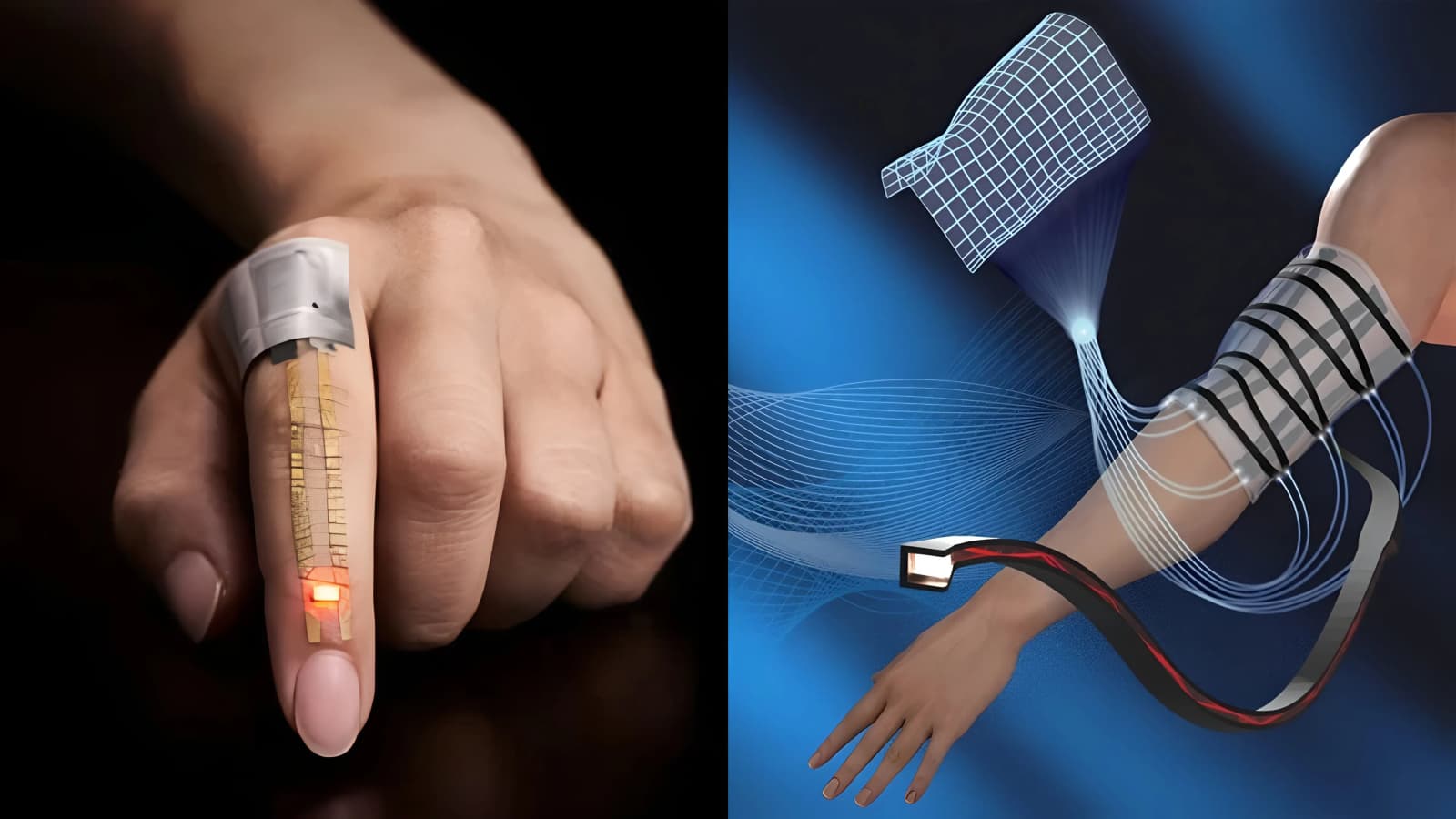
Soft sensor recreates 3D shapes through bending and twisting despite fiber damage
MIT researchers have developed a soft sensor that recreates its own three-dimensional shape as it...
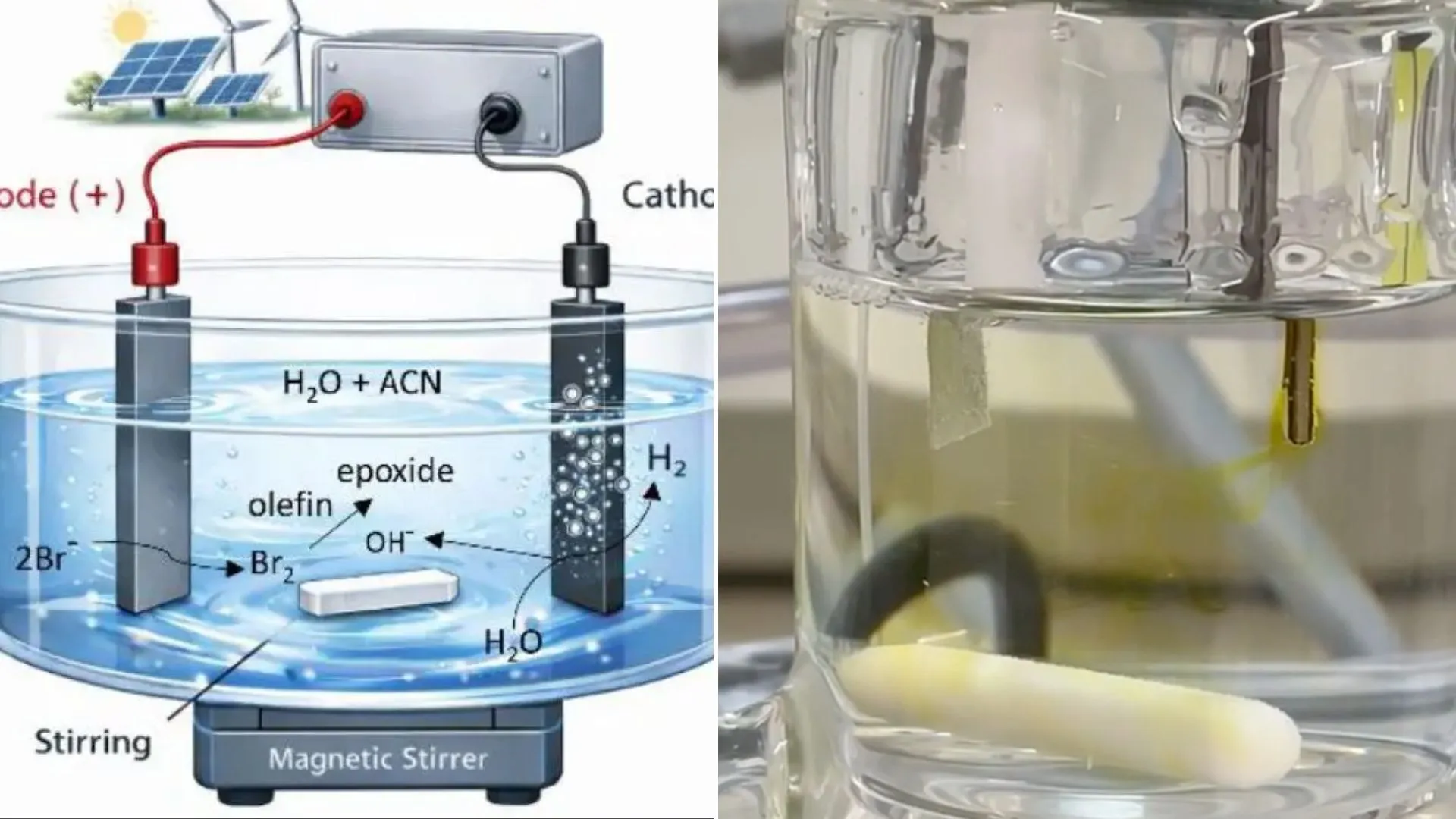
Green hydrogen process reaches 98% efficiency while producing valuable chemicals
A new electrochemical process developed by researchers at the Technion, Israel Institute of Technology, could...
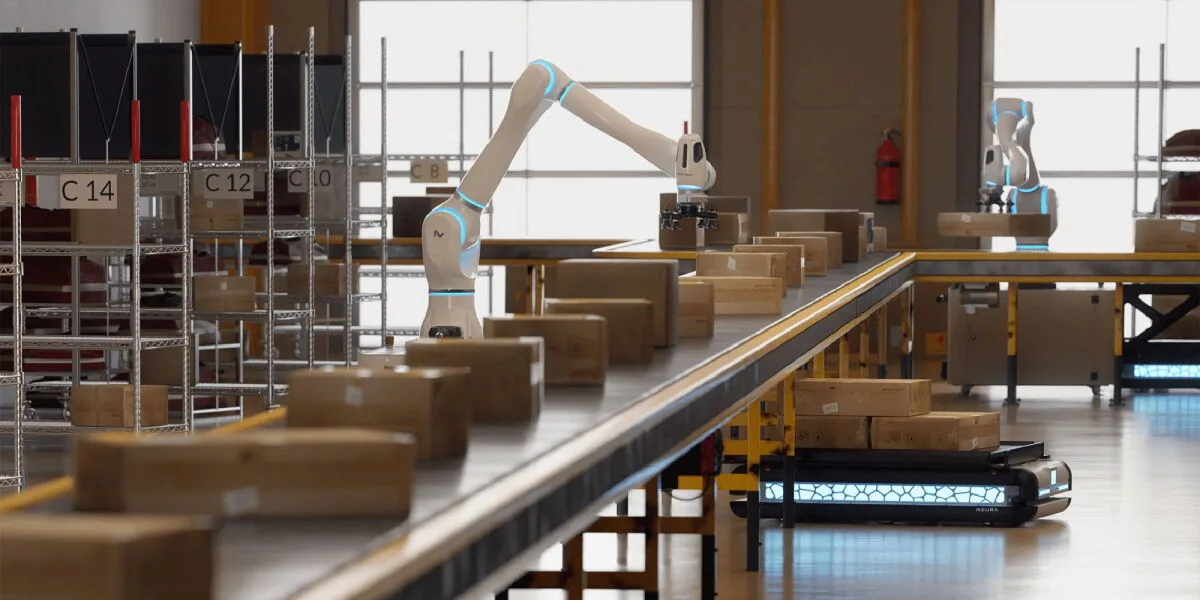
AWS launches open-source Physical AI Toolchain with NVIDIA stack for robotics development
Amazon Web Services on October 8 released an open-source Physical AI Toolchain that ties together synthetic data, training, simulation, validation and edge deployment with NVIDIA’s Isaac and Cosmos software for industrial automation, mobility and humanoid robotics.
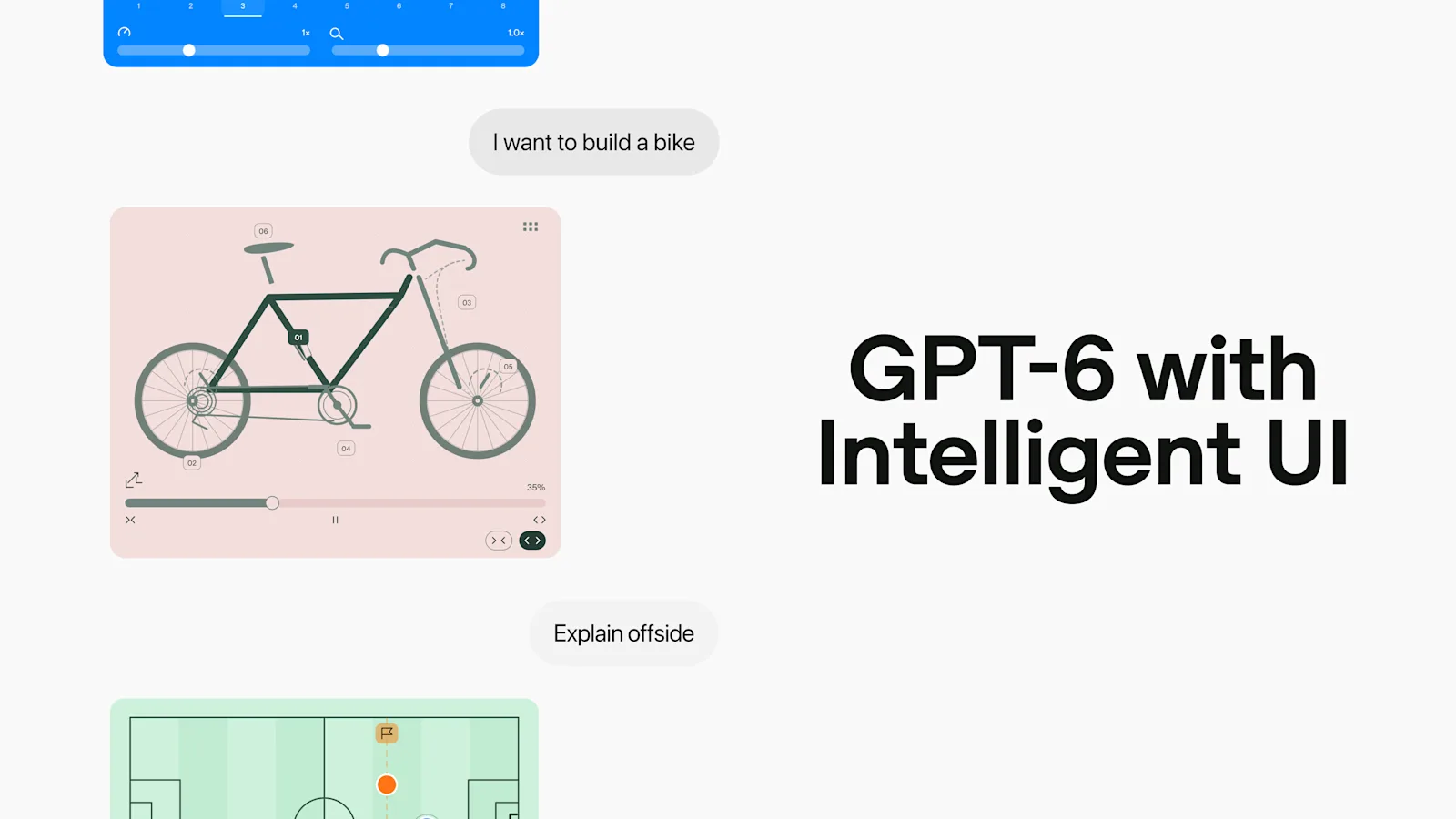
OpenAI rolls out GPT-6 and Intelligent UI in ChatGPT, adding interactive charts, forms and in-chat tools
OpenAI began rolling out GPT-6 with Intelligent UI on October 7 to Plus, Pro, Business and Enterprise users, expanding to Free and Go on October 8, so ChatGPT can answer with interactive graphics, buttons, forms and tools inside the conversation.
Google Cloud launches a unified Gemini agent for enterprise work that plans tasks and connects to business systems
At Gemini at Work 2026 on October 8, Google unveiled a universal Gemini agent that can take objectives, plan work, connect to enterprise systems and return finished results from a single prompt—initially in private preview for businesses.
White House: 11 firms including NVIDIA, OpenAI and Anthropic pledge $2.4B in AI tools and compute for Genesis Mission
At a science summit on October 8, the Trump administration said eleven industry partners will provide $2.4 billion in super-intelligence tools and compute credits for the Genesis Mission Consortium, led by NVIDIA’s $1 billion commitment.