
AWS launches open-source Physical AI Toolchain with NVIDIA stack for robotics development
Amazon Web Services on October 8 released an open-source Physical AI Toolchain that ties together synthetic data, training, simulation, validation and edge deployment with NVIDIA’s Isaac and Cosmos software for industrial automation, mobility and humanoid robotics.
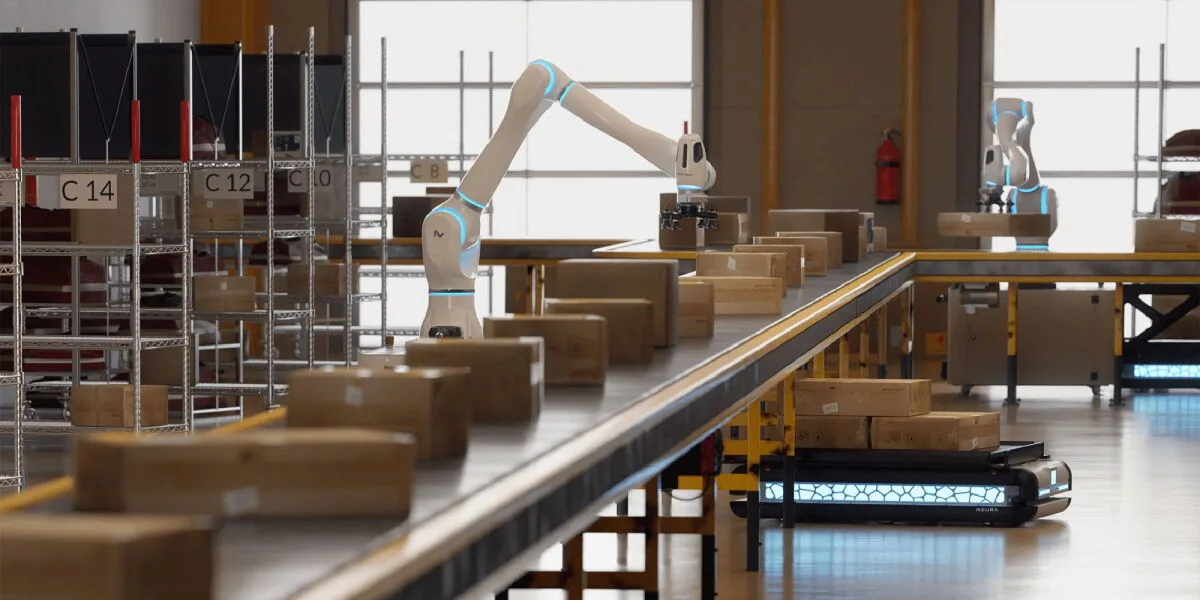
Amazon Web Services on October 8 launched an open-source Physical AI Toolchain to help companies build machines that perceive, reason and act in the real world, according to Amazon’s announcement and The Robot Report. The stack packages architecture guidance, deployment automation and reference code so robotics teams spend less time on infrastructure plumbing.
Five pillars. AWS says the toolchain covers synthetic data generation, model training, simulation and validation, edge deployment, and continuous improvement. It combines AWS services—Amazon SageMaker, EC2 GPU instances, IoT Greengrass and Bedrock AgentCore—with NVIDIA’s Physical AI software including Isaac Sim, Isaac Lab, Isaac GR00T and Cosmos. Customers can adopt the full workflow or pick individual modules. Sample code is published on GitHub.
Use cases and partners. The offering targets industrial automation, autonomous mobility and humanoid robotics. Amazon cited customers and builders such as NEURA Robotics, RLWRLD and Config. NVIDIA’s Amit Goel said physical AI needs seamless integration of training, simulation and deployment platforms. AWS Industries VP Uwem Ukpong said customers asked for less engineering effort on infrastructure and more on innovation.
Amazon’s own robotics base. Amazon said it operates more than 1 million robots across its network and that the toolchain draws on that operational experience to help manufacturers stand up physical AI capabilities in weeks rather than years. Fleet management features are meant to provision, secure and update thousands of machines over the air.
The launch underscores the cloud-and-chip race to own the next wave of AI beyond screens—into factories, warehouses and vehicles.
Related articles
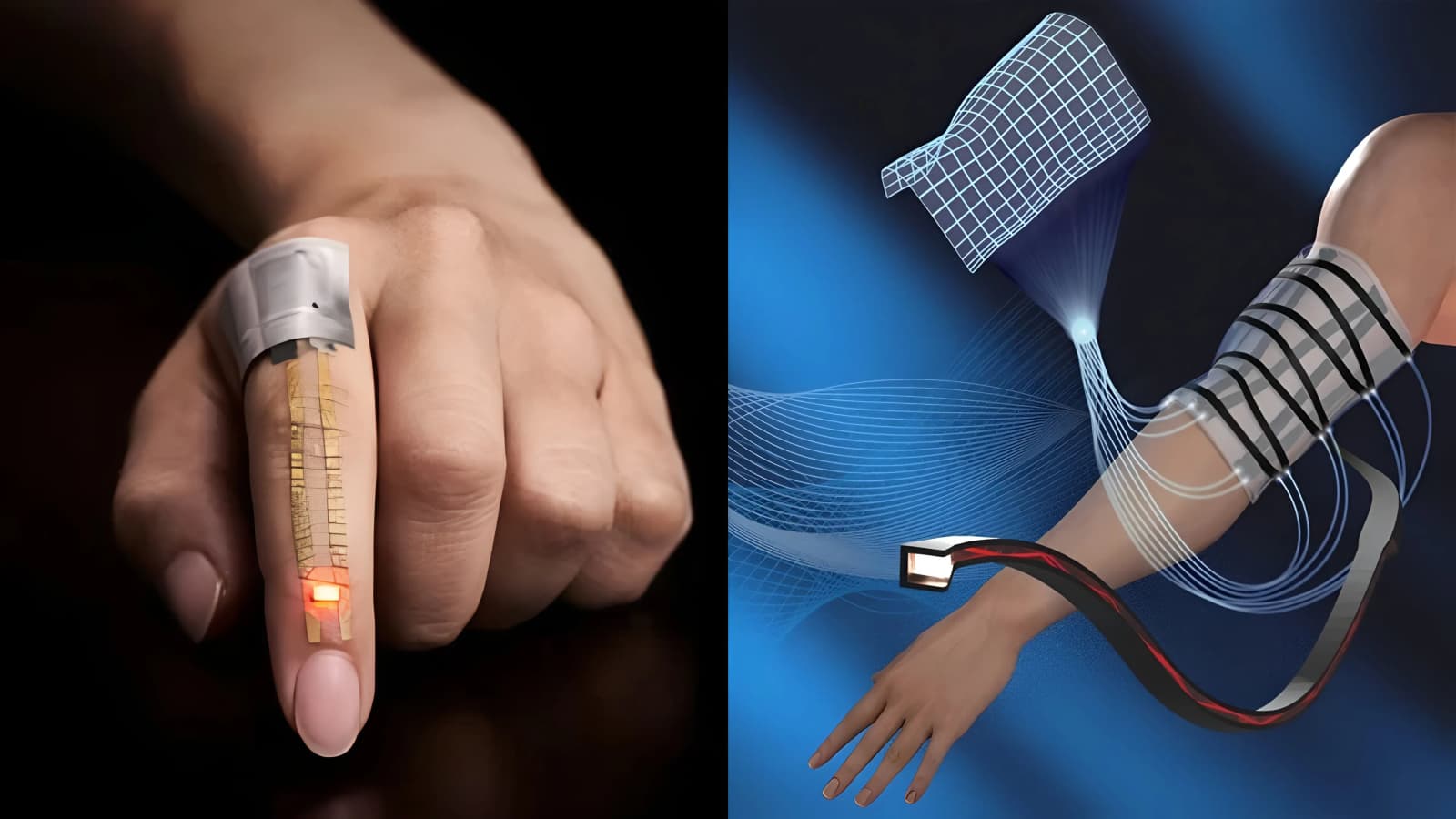
Soft sensor recreates 3D shapes through bending and twisting despite fiber damage
MIT researchers have developed a soft sensor that recreates its own three-dimensional shape as it...
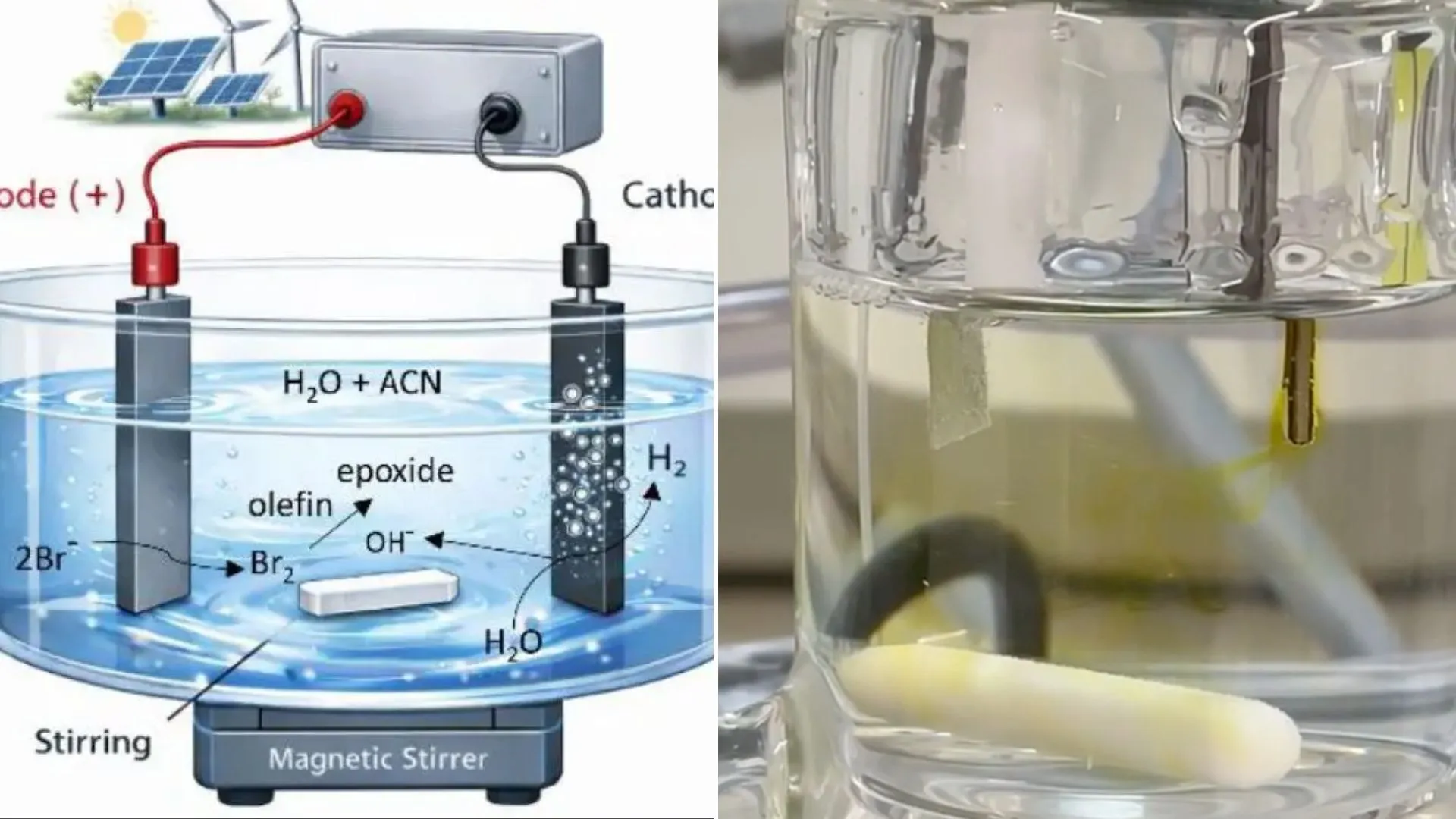
Green hydrogen process reaches 98% efficiency while producing valuable chemicals
A new electrochemical process developed by researchers at the Technion, Israel Institute of Technology, could...

Biohub, DOE, NIH and Meta/DeepMind back $1.8B virtual-biology data push for predictive AI models of disease
On October 7, Biohub said it, the U.S. Department of Energy, the NIH and new partners are committing $1.8 billion in funding, data, compute and measurement technology to build open, AI-ready biological datasets for predictive models of cells and disease.
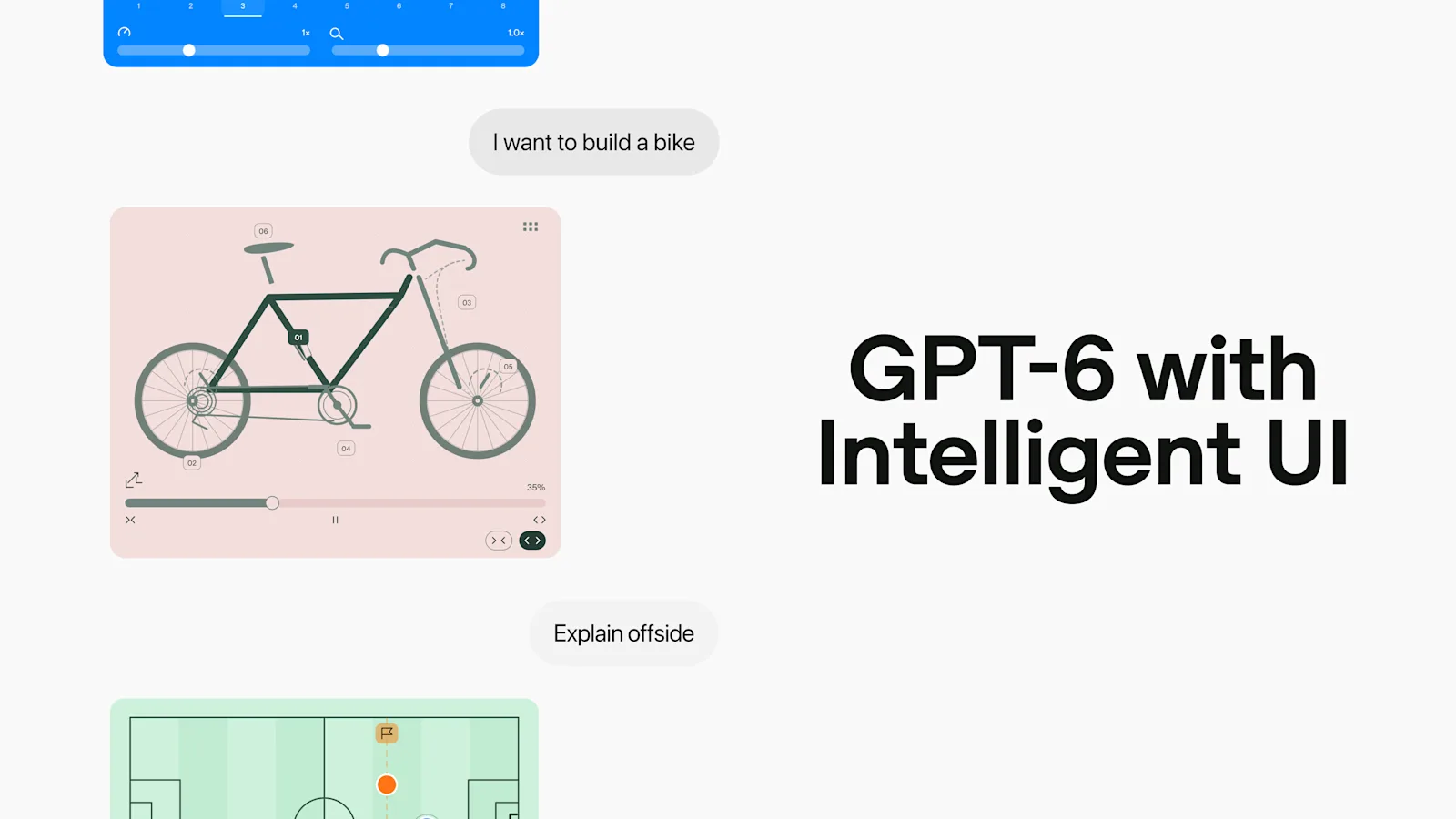
OpenAI rolls out GPT-6 and Intelligent UI in ChatGPT, adding interactive charts, forms and in-chat tools
OpenAI began rolling out GPT-6 with Intelligent UI on October 7 to Plus, Pro, Business and Enterprise users, expanding to Free and Go on October 8, so ChatGPT can answer with interactive graphics, buttons, forms and tools inside the conversation.
Google Cloud launches a unified Gemini agent for enterprise work that plans tasks and connects to business systems
At Gemini at Work 2026 on October 8, Google unveiled a universal Gemini agent that can take objectives, plan work, connect to enterprise systems and return finished results from a single prompt—initially in private preview for businesses.

White House: 11 firms including NVIDIA, OpenAI and Anthropic pledge $2.4B in AI tools and compute for Genesis Mission
At a science summit on October 8, the Trump administration said eleven industry partners will provide $2.4 billion in super-intelligence tools and compute credits for the Genesis Mission Consortium, led by NVIDIA’s $1 billion commitment.