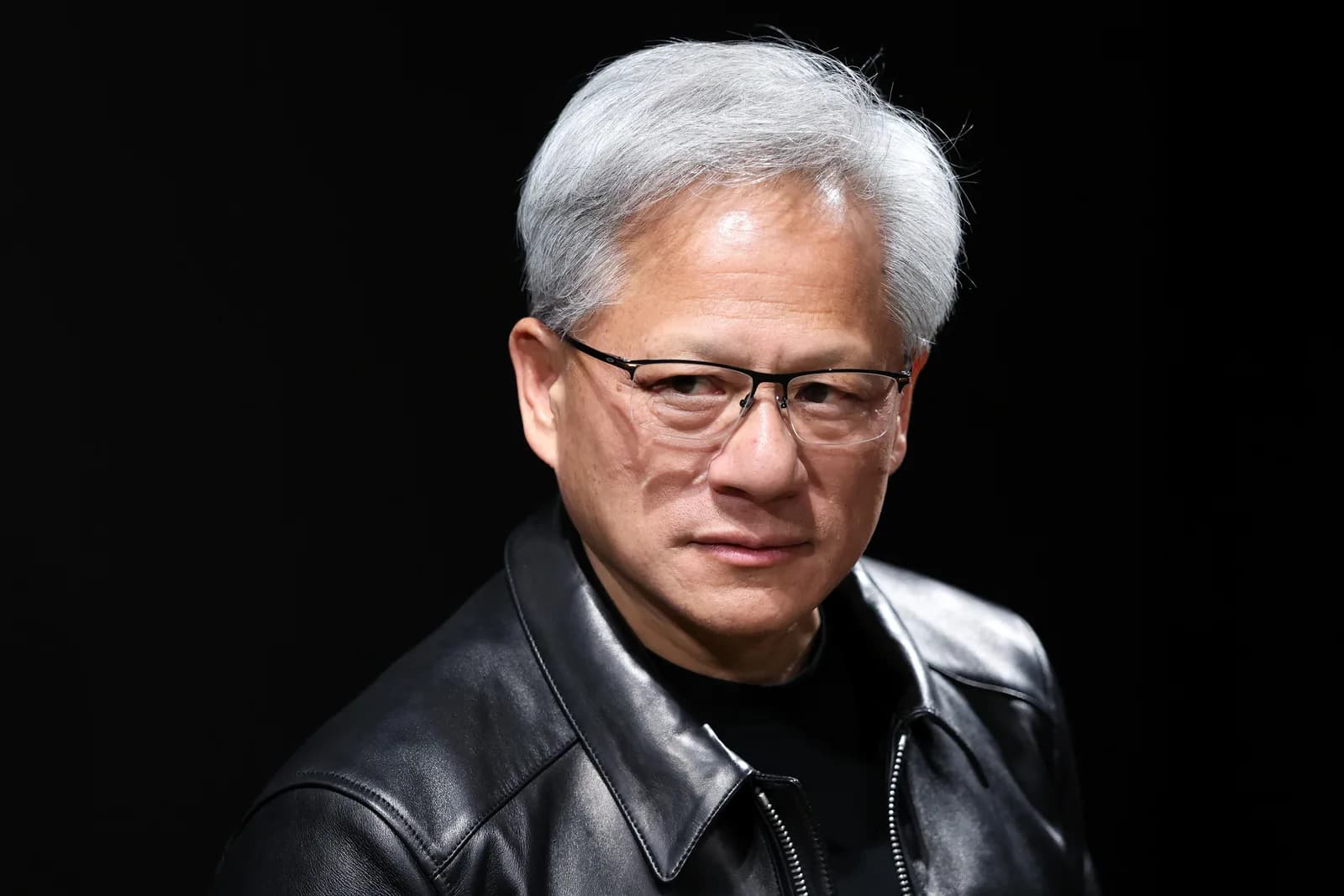
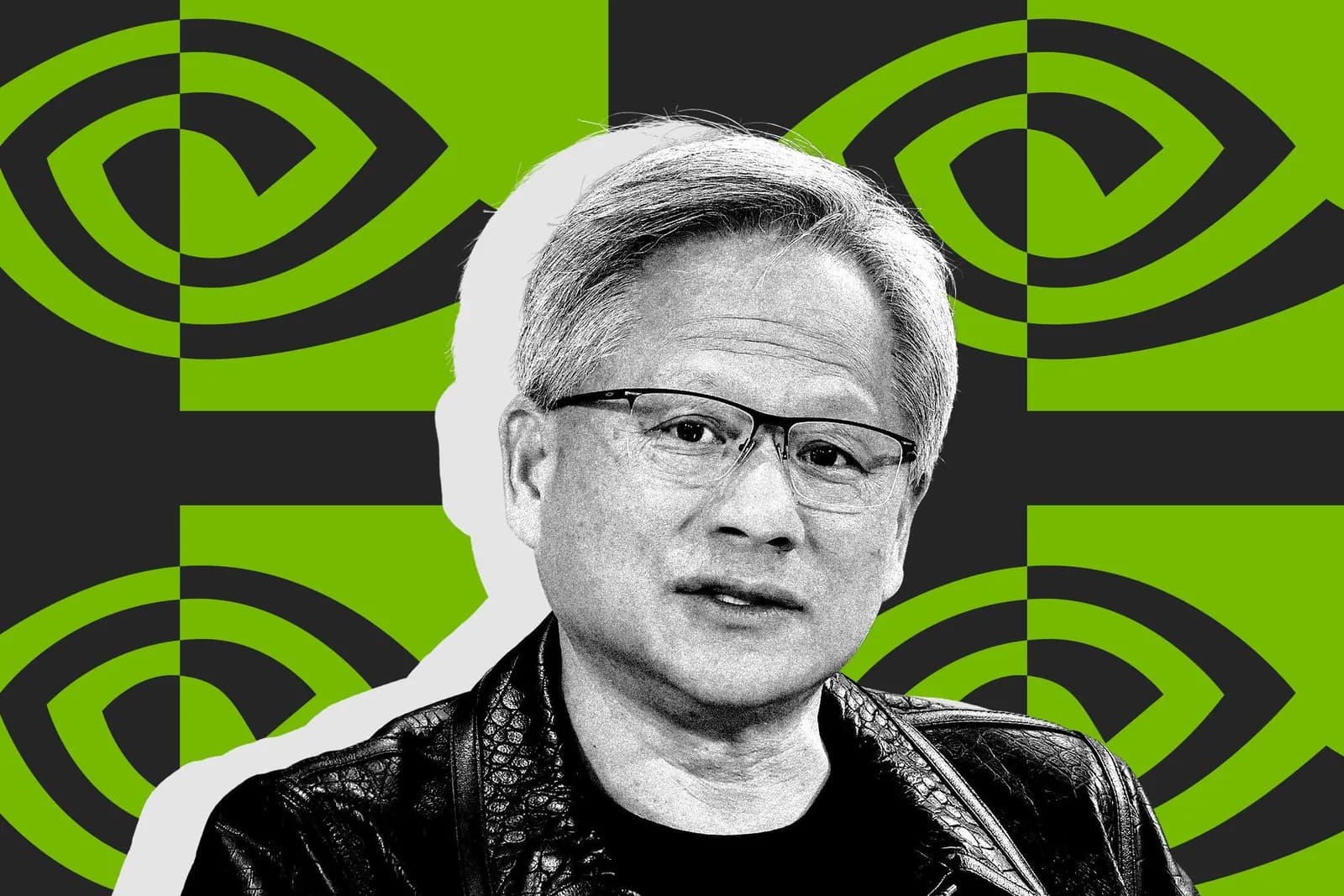
On Sunday, Nvidia announced it was launching an investigation into CEO Jensen Huang's relationship with Alice Huang, an AI executive and agent of the Chinese government.
Concerns are being raised that neither the Commerce Department nor Nvidia are doing their due diligence when it comes to vetting Chinese firms cleared to handle the company's H200 AI chips.
Nvidia is in talks to guarantee billions of dollars in construction debt for Nscale's planned Anthropic data center in West Virginia, The Information and Bloomberg reported. The deal is not signed and terms could change.
Nvidia released Nemotron 3.5 Transcribe, a free open-weight speech model that transcribes 40 languages, translates 31 to or from English and labels up to eight speakers, along with its Granary v2 open speech dataset.
The US Justice Department has asked whether Nvidia's purchase of Hugging Face would let it capture a fundamental distribution point for AI, Reuters reported, as antitrust enforcers continue a broader, years-long look at the chipmaker's conduct.
South Korea's Naver finalized an agreement under which Brookfield will invest up to $9 billion in GPUs and data centers through a special-purpose vehicle, putting a financing structure in place for its $10 billion AI factory project with Nvidia.
Cadence Design Systems on Oct. 26 launched Maestro, a portfolio of AI models tuned for chip-design agents that customers can run on any cloud or entirely behind their own firewalls, diverging from rival Synopsys' OpenAI-hosted approach.
It was a busy summer for AI lobbyists. Anthropic, OpenAI, and Nvidia each had their highest-spending lobbying quarter between July and September, federal disclosures show.
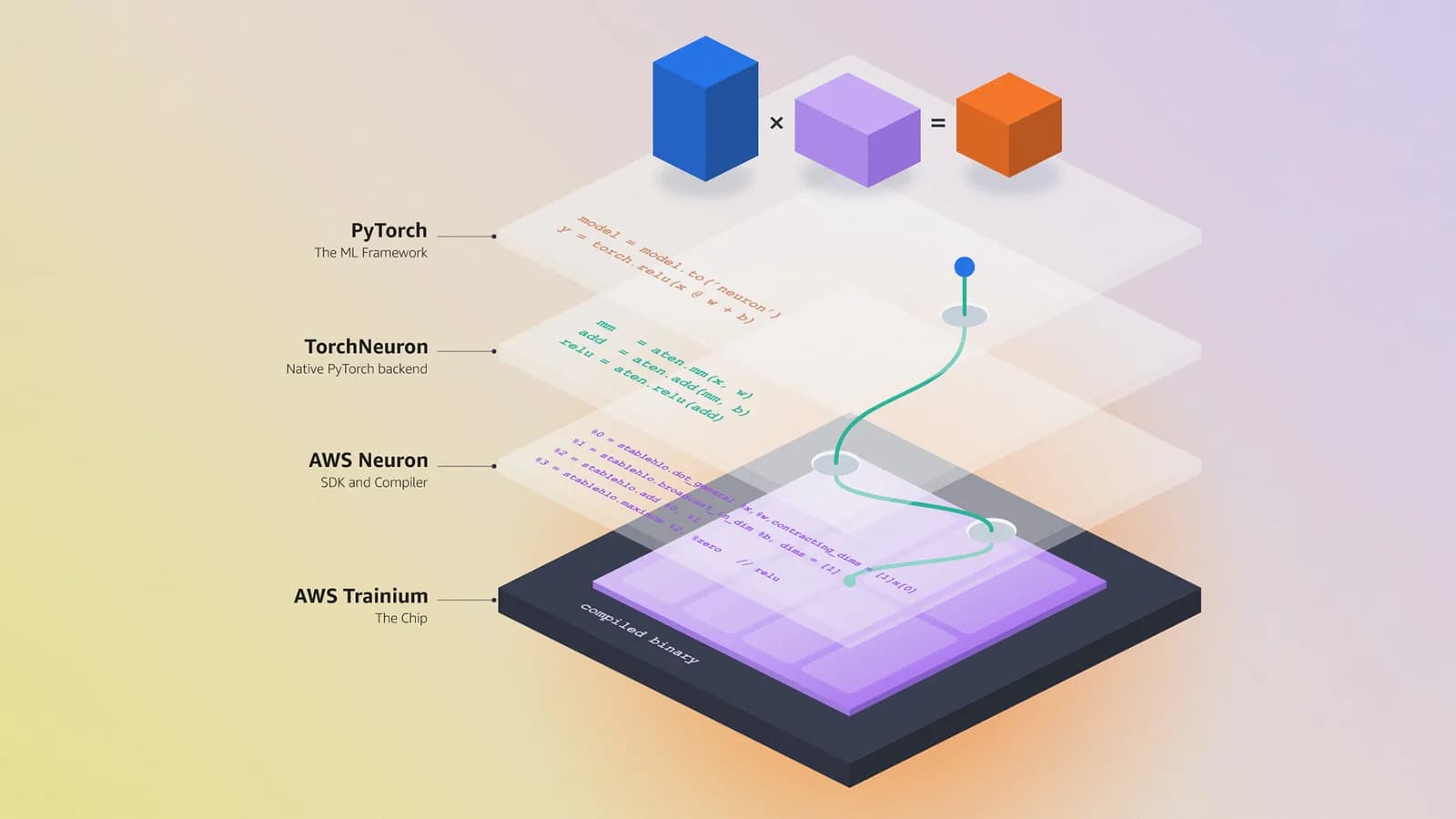
Amazon is releasing TorchNeuron, a free open-source tool that lets developers run PyTorch code on its Trainium AI chips with a single configuration change and no rewriting, in a bid to erode a key advantage behind Nvidia’s dominance.
CoreWeave had a bad week last week. Its bonds slipped into distressed territory by a common definition - when investors demand 1,000 basis points more in yield than they'd get from government bonds.