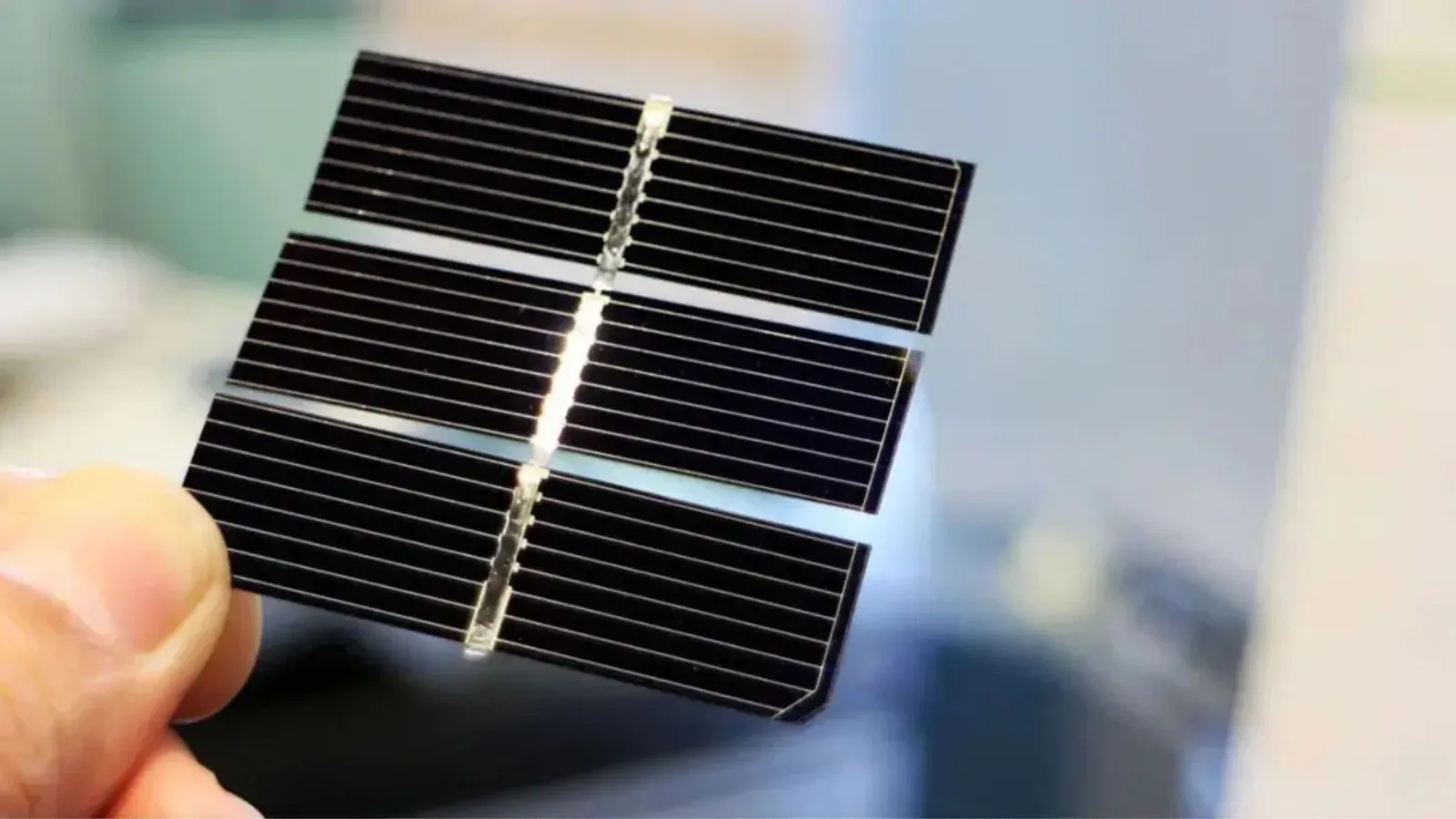
Ceramic cell delivers 500 hours of doubled clean hydrogen yield without extra power
A team of scientists has found a way to double the production of clean hydrogen...
This story was prepared automatically by software.
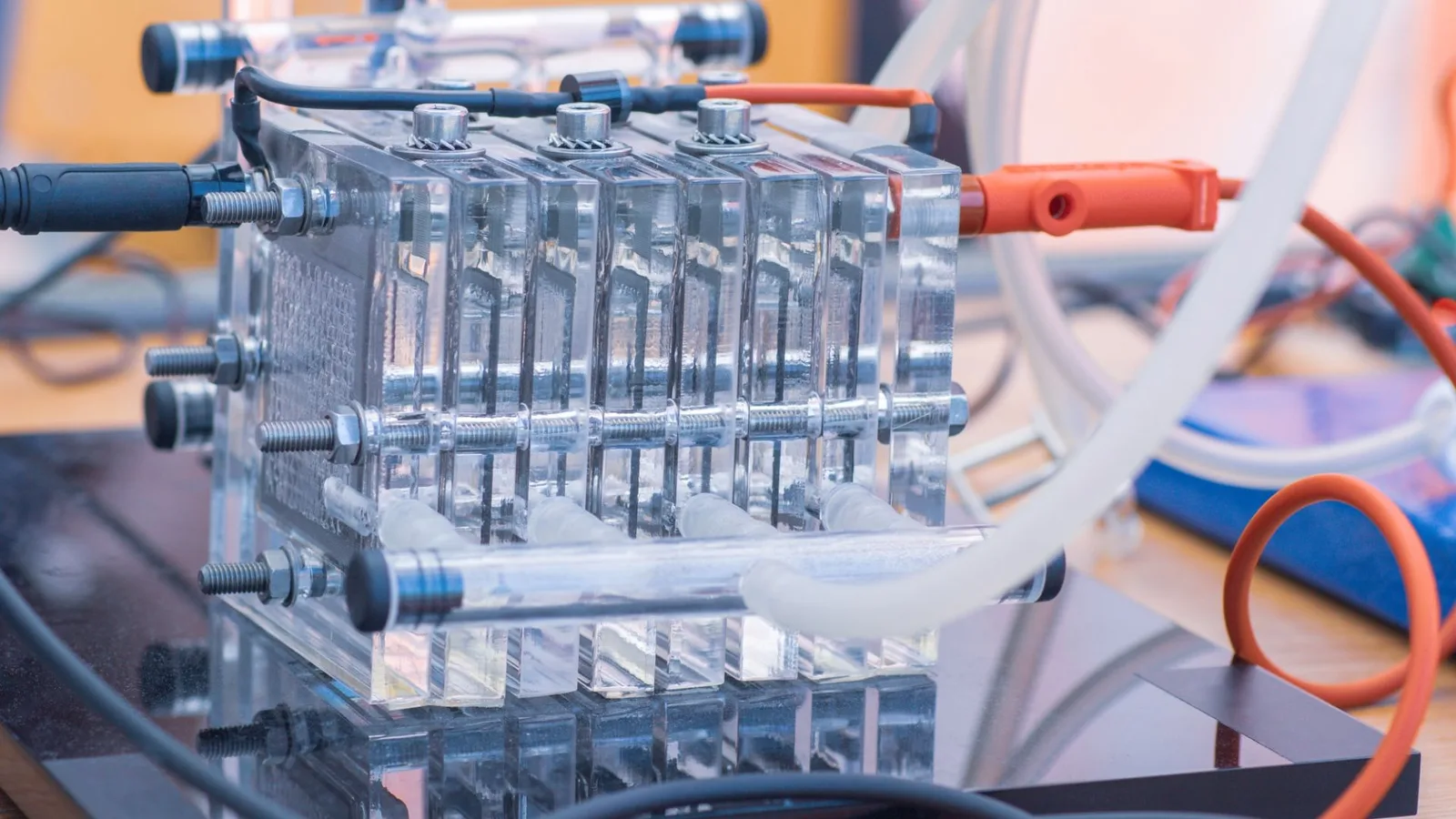
A team of scientists has found a way to double the production of clean hydrogen from steam without using any extra electricity. The breakthrough could help heavy industries cut their reliance on fossil fuels.
Most industrial hydrogen today is stripped from natural gas, a process that releases large amounts of carbon dioxide. Chemical plants need vast quantities of this gas to manufacture fertilizers, refine fuels, and make everyday plastics.
Now, chemical engineers at the University of Groningen have developed a durable ceramic electrolyzer that extracts hydrogen directly from water vapor. The system runs reliably at the high working temperatures already found inside chemical factories.
Details of the research were published in the journal Energy and Environmental Science.
Using steam instead of liquid water
Splitting water with electricity is a well-established technology. Standard liquid electrolyzers run a current through water to divide it into hydrogen and oxygen. However, heating liquid water and powering that split demands huge amounts of electrical energy.
Protonic Ceramic Electrolyzer Cells (PCECs) address this issue by using steam instead of liquid water. These systems, which operate at intermediate heat between 400°C and 650°C, need significantly less electricity to break chemical bonds. Inside a PCEC, steam is split into oxygen and positively charged hydrogen ions, or protons.
“In the PCEC, there is a ceramic membrane, and only the hydrogen without an electron (H+) is small enough to pass through the pores of this membrane, attracted by a negative charge on the other side that allows it to form hydrogen (H2) again,” explained the researchers.
“Because the other atoms do not fit through the membrane, the produced hydrogen is kept separate from the rest.” This removes the need for costly purification stages later on.
The main bottleneck has always been finding an electrode material that can survive these hot, corrosive conditions while driving the chemical split quickly.
Designing a self-assembling electrode
Lead researcher Dr. Vassilis Kyriakou and his team solved this by designing a self-assembling electrode based on a perovskite oxide matrix. When the material was heated in ambient air, ions moved across the boundary between the electrode and the membrane. This movement caused tiny praseodymium oxide nanoparticles to sprout across the surface on their own.
“We discovered a previously overlooked synergy between membrane and electrode materials,” Dr. Kyriakou concluded. “Our research initially had a different direction, but our first findings made us think of a completely new path. It felt like falling down a rabbit hole, but there was a wonderland waiting on the other side.”
To boost performance further, the team treated the surface with an acid wash. This multiplied the number of active catalyst sites across the material.
The modified cell ran continuously for more than 500 hours with no drop in stability. It converted more than 95 percent of the electric current directly into hydrogen, while doubling the production rate of earlier designs. The design offers chemical manufacturers a realistic way to run clean “Power-to-X” processes using factory waste heat.