Drowned 5,000-year-old forests off Mozambique now shelter reef fish, no coral needed
Forests that stood on Mozambique’s coast thousands of years ago now lie beneath shallow seas,...
This story was prepared automatically by software.
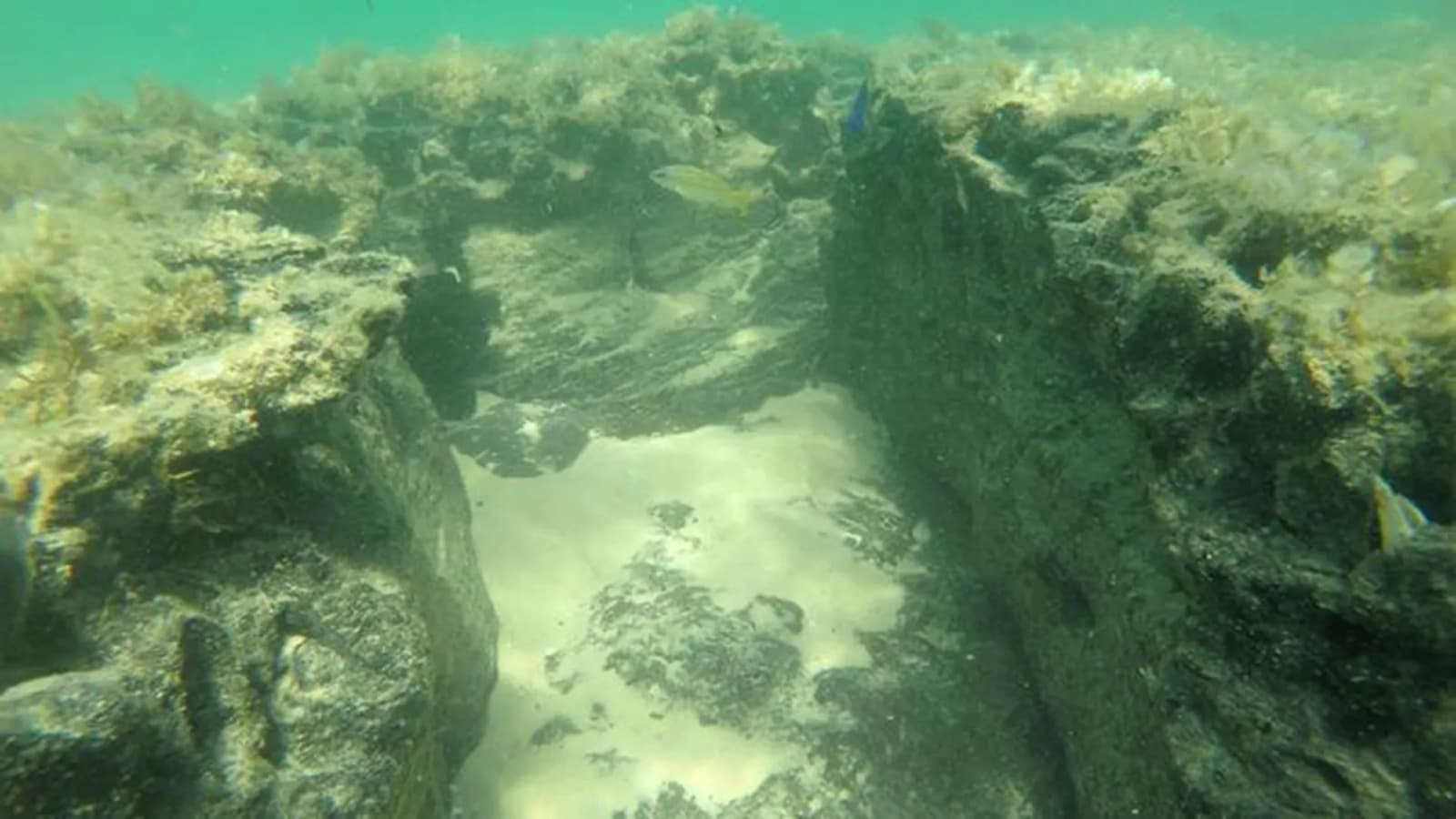
Forests that stood on Mozambique’s coast thousands of years ago now lie beneath shallow seas, and they have become fish-filled “peat reefs” with marine life comparable to coral reefs, researchers report in Scientific Reports.
A team from the Bazaruto Center for Scientific Studies (BCSS) Ocean Observatory, led by Mario Lebrato, documented the submerged peat in the Bazaruto Archipelago in the Western Indian Ocean. BCSS, founded in 2017, describes itself as Africa’s first permanent ocean observatory. Working with universities and institutions in the U.K., U.S. and Canada, the team believes it has carried out the first ecological study of peat reefs anywhere in the tropics.
Old forests, new seafloor
Radiocarbon dating shows the peat formed between about 300 and 5,000 years ago, and chemical analysis indicates it came mostly from coastal land plants and trees. Some samples contain up to 40% organic carbon by dry weight.
Lebrato said the coastline has very little natural hard seabed, mostly shifting sand. As rising seas expose the old peat layers, they create rare solid habitat where marine life can settle, hide and feed.
A reef with no coral
The researchers surveyed three peat reefs and a nearby true coral reef, comparing seabed cover, invertebrates, small fish and larger animals. The peat reefs hold no living coral. Seagrass and seaweeds grow directly on the peat, and its crevices and ledges shelter spiny lobsters, oysters, barnacles and juvenile fish, including young snappers and grunts usually linked to coral reefs.
Each peat reef held 26 to 36 small fish species, a mix the team described as comparable to the coral reef’s. Sharks, rays and turtles appeared on both reef types, and green turtles and dugongs, both found in the area, could graze the seagrass patches. The animals fixed to the seabed were completely different, however.
Life on the peat is harder. The reefs sit just 2 to 4 meters (about 7 to 13 feet) deep, are regularly exposed by tides and swing between 24.5 and 28.6 degrees Celsius (76.1 and 83.5 degrees Fahrenheit) within a day. Storms and cyclones bury, uncover and break them apart, and many disappear through erosion and moving sand.
“What was once a forest floor is now a nursery for reef fish,” Lebrato said.
The carbon question
On land, peat swamps can hold 1,000 to 2,000 metric tons of carbon per hectare (2.5 acres) below ground. No one yet knows how much the peat reefs hold or whether they are storing or releasing it today. The paper says their present-day role in carbon cycling is unresolved and calls for measurements of peat thickness, density, carbon stocks, burial or erosion rates and greenhouse gas fluxes. Researchers also want to know whether the reefs could be classed as “blue carbon” habitats, as mangroves and seagrass are.
Why it matters
Coastal planners and conservationists rarely map or protect peat reefs, and similar habitats may lie undiscovered across Southeast Asia, the Caribbean and West Africa, the researchers say. As coral reefs decline, these overlooked habitats could offer backup refuges for some species. The authors say peat reefs should be included in coastal habitat maps, conservation plans and assessments of legacy coastal carbon.
Lebrato said the discovery underscores the resilience and adaptability of coastal ecosystems under pressure from sea-level rise and shoreline change.
The paper, “Ancient terrestrial forests reborn as modern marine ecosystems under shifting sea levels,” was published in Scientific Reports.
Related articles