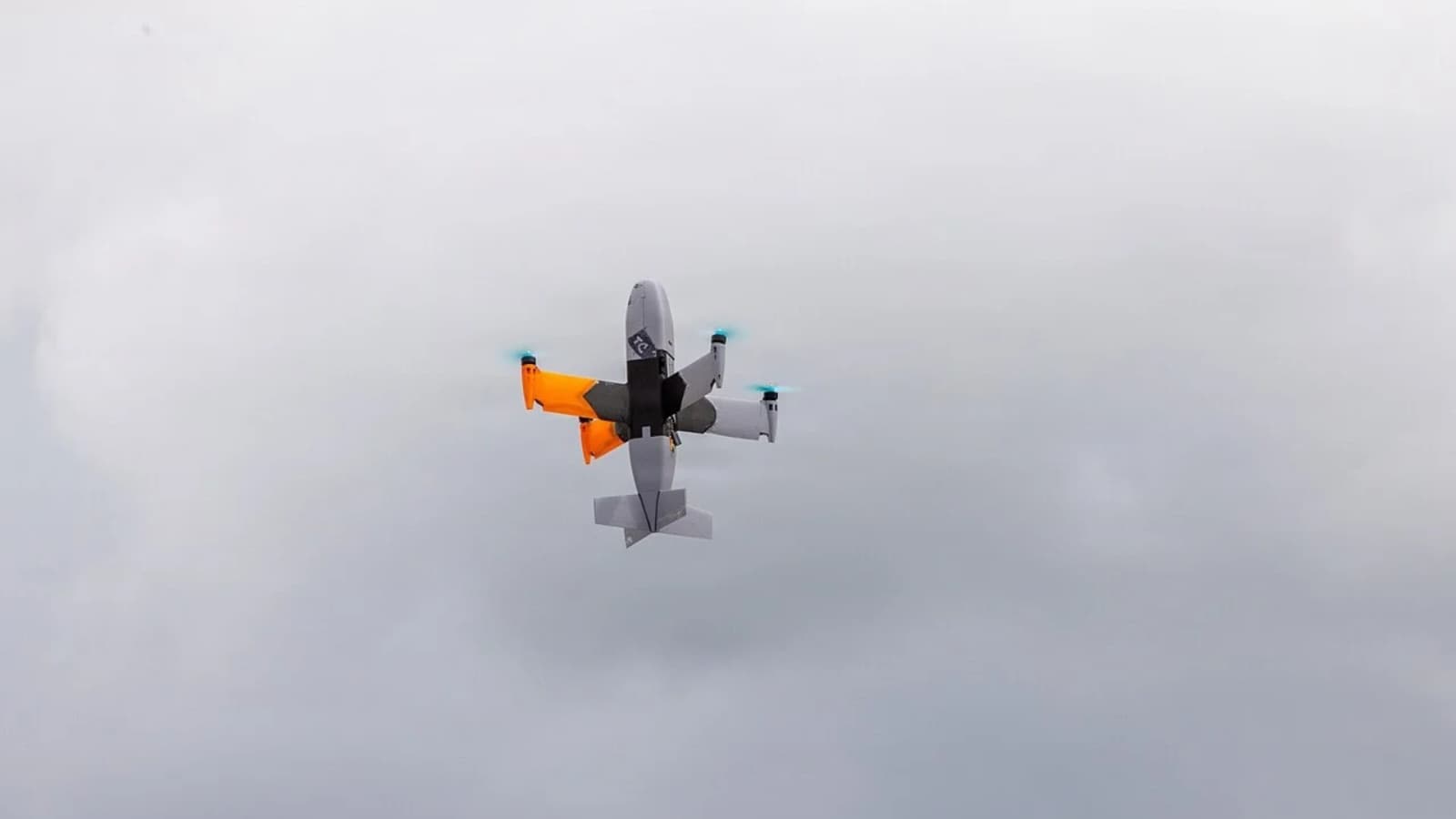
Historic First: US Air Force’s F-22 pilot directs autonomous Fury drone from cockpit
A US Air Force F-22 Raptor pilot directed an uncrewed YFQ-44A Fury aircraft in flight...
This story was prepared automatically by software.
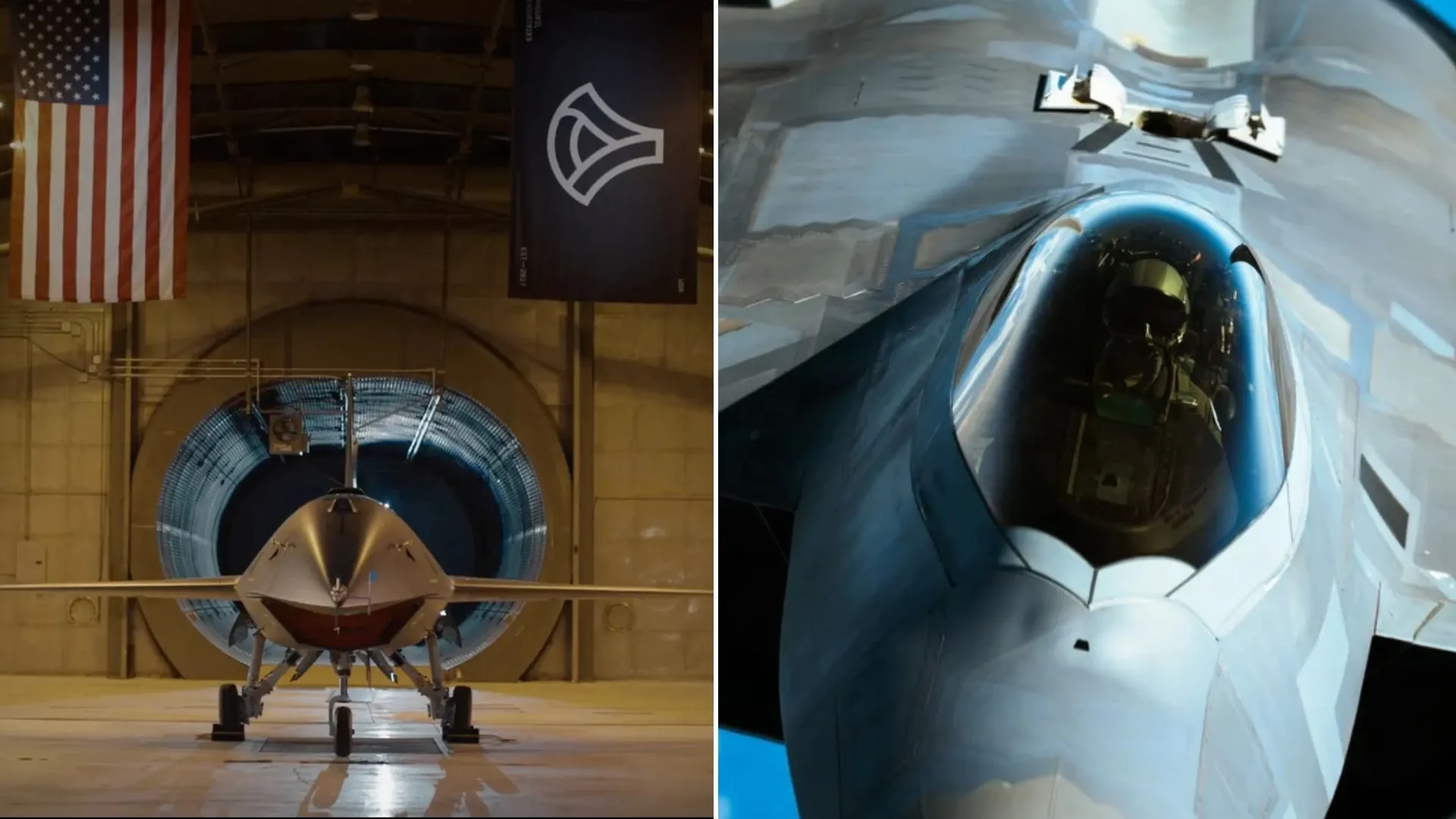
A US Air Force F-22 Raptor pilot directed an uncrewed YFQ-44A Fury aircraft in flight for the first time, marking a major step toward a future in which crewed fighters command autonomous drones during combat missions.
The demonstration, conducted earlier in October 2026, paired the stealth fighter with Anduril’s Fury Collaborative Combat Aircraft (CCA). Instead of flying the drone remotely with individual controls, the F-22 pilot sent high-level tactical instructions that the drone’s onboard autonomy software interpreted and executed.
The test advances the Air Force’s effort to turn uncrewed aircraft into autonomous wingmen that can accompany crewed fighters, extend their reach, and provide additional combat capacity without requiring a pilot in every aircraft.
An airborne quarterback directs the drone
According to The War Zone, the F-22 and YFQ-44A took off from Edwards Air Force Base in California and joined up in the air. The pilot then transmitted an updated mission plan to the drone through a tactical data link.
The Air Force described the human pilot as an airborne “quarterback,” issuing tactical directives while the Fury’s onboard software handled their execution. The demonstration included dynamic flight maneuvers and simulated combat tasks.
The pilot was not manually controlling every movement of the uncrewed aircraft. Instead, the test showed how a human could direct a semi-autonomous platform while its software handled the details of executing instructions.
The Air Force and Anduril did not disclose the full cockpit configuration used during the demonstration. Previous work on drone-control interfaces has explored tablet-like displays and supporting hardware that allow pilots to communicate mission instructions without significantly disrupting their primary flying duties.
The longer-term goal is to let a single fighter pilot direct multiple collaborative combat aircraft, though managing several autonomous wingmen will require further software development, testing, and operational procedures.
What is the YFQ-44A Fury?
The Fury is Anduril’s entry in the Air Force’s Collaborative Combat Aircraft program, which aims to develop uncrewed aircraft that can operate alongside conventional fighters.
The aircraft is being developed as a lower-cost complement to crewed combat jets. Depending on the final configuration and mission, future CCAs could carry sensors, electronic warfare equipment, or weapons, helping distribute tasks across a larger force.
The Air Force has selected both Anduril’s YFQ-44A and General Atomics’ YFQ-42A for the first increment of the program. The service is pursuing both designs as it develops the technology, tactics, and support systems required to field autonomous aircraft.
The Fury has already demonstrated other capabilities. In July 2026, the Air Force announced that a YFQ-44A had launched an AIM-120 air-to-air missile during a live-fire test against a digital target. That test validated another step in integrating the aircraft with weapon systems, but it was separate from the recent F-22 control demonstration.
A step toward crewed-uncrewed combat teams
The F-22 test is part of a much larger initiative to integrate autonomous aircraft into future air combat. The Air Force wants CCAs to increase the number of aircraft available for a mission while giving pilots additional sensing, targeting, and engagement options.
The service is also working through practical challenges, including how drones will be deployed and maintained, how pilots will manage their workload, and how commanders can trust autonomous aircraft to behave predictably in complex environments.
This demo shows that a fighter pilot can issue tactical instructions to a purpose-built CCA in flight, providing a foundation for further testing. The next challenge is to turn that capability into a reliable operational system, potentially allowing crewed fighters to direct multiple uncrewed aircraft as part of a coordinated combat formation.
Related articles