Genetically modified superdogs could become the US military’s next secret weapon
A startup backed by de-extinction company Colossal Biosciences wants to change how the U.S. military...
This story was prepared automatically by software.
A startup backed by de-extinction company Colossal Biosciences wants to change how the U.S. military sources its working dogs. Warhound has emerged from stealth with $200 million in funding and a $1.2 billion valuation. Its plan involves genetically engineering dogs for dangerous missions, including explosives detection and specialized search operations.
Colossal CEO Ben Lamm founded the venture with Palmer Luckey, co-founder of defense technology company Anduril. Warhound aims to combine genetic engineering with protective equipment and digital systems designed to support dogs and their human handlers.
The company enters a specialized market with a domestic supply problem. Warhound says more than 80% of working dogs used by the U.S. military come from Europe. It also claims fewer than half of those dogs qualify for service.
Engineering better working dogs
Warhound plans to start with two breeds already valued for military and police work. Belgian Malinois and German Shepherds will provide the cell lines for its genetic engineering program.
Researchers will store those cell lines in a biobank before modifying the dogs’ genetic makeup. The goal is to improve traits linked to mission performance and reduce inherited health risks.
Lamm told TechCrunch that conventional breeding can produce dogs with poor eyesight or genetic predispositions to cancer. Hip dysplasia and muscle atrophy can also prevent animals from completing training.
Warhound wants to improve canine health and longevity alongside traits such as speed, agility, and scent detection. Enhanced olfactory capabilities could prove particularly useful during explosives searches.
The approach builds on Colossal’s existing work in genetic engineering and animal cloning. The company has pursued efforts to recreate extinct species, including the dodo and woolly mammoth. Its biotechnology could now serve a more immediate military application.
Anduril adds protective technology
Genetics represents only one part of Warhound’s plan. Anduril will contribute hardware and software designed to improve protection and coordination during missions.
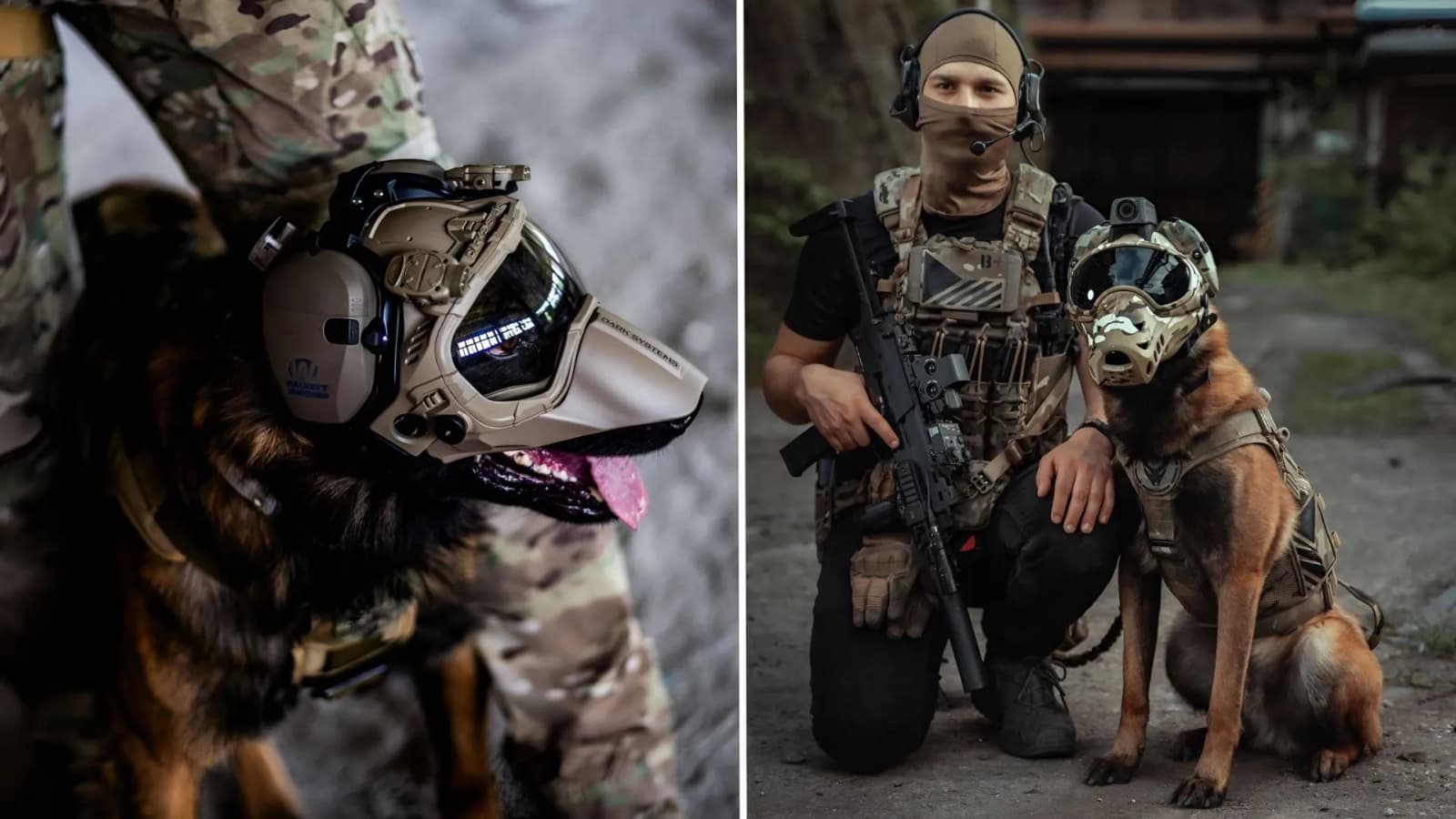
Potential equipment includes protective vests and goggles for working dogs. Lamm also described sensor-equipped vests that could relay information to handlers, giving them a clearer picture of conditions in the field.
The goal, he said, is to make dogs safer, healthier, and more capable in service. Anduril’s technology will focus on equipment worn by the animals, not genetic modifications.
The funding round includes investors such as In-Q-Tel, Sequoia, and 8VC. Luckey serves as a partner in the venture but does not hold equity in Warhound, according to Lamm. Colossal owns a stake and licenses its technology to the startup.
First dogs expected in 2027
Warhound expects its first cloned dogs to arrive early next year. Colossal-owned cloning company ViaGen will help produce the animals. Lamm hopes they will enter service within two years.
The startup has not disclosed pricing. Its prospective customers include the Department of Defense, police departments, military organizations and emergency responders. Lamm said Warhound has briefed government groups about its business.
The company is also working with the American Humane Society on certification for its training program. It hopes retired dogs will enter the society’s Military Working Dog Reunification Program or another suitable placement program.
Important questions remain about oversight, animal welfare, and the safe deployment of genetically modified dogs. Warhound says buyers will manage the animals under the same training framework used for military working dogs. Its first animals will show whether the proposed combination of genetic engineering and field equipment can deliver practical results.
Related articles