
New hydrogen-based synthetic fuel systems target military and critical infrastructure
Nel ASA and Rheinmetall AG have agreed to work together on decentralized production of renewable...
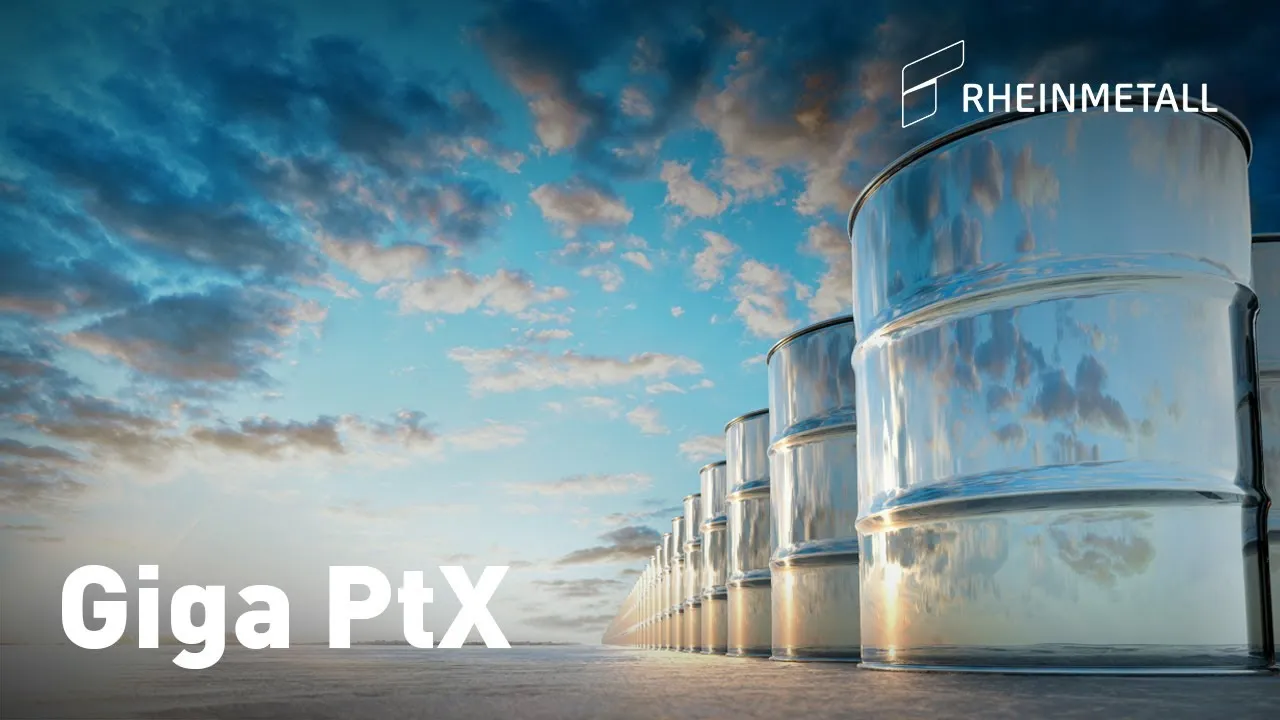
Nel ASA and Rheinmetall AG have agreed to work together on decentralized production of renewable synthetic fuels for defense and critical infrastructure. Announced on October 13, 2026, the partnership will bring together Nel’s electrolyzer technology and Rheinmetall’s Giga PtX concept to assess modular fuel production systems that could boost energy security.
The companies aim to produce low-carbon synthetic fuels closer to where they are needed. These fuels could take the place of conventional fuels in current uses, which would help reduce reliance on centralized production and long, easily disrupted supply chains.
Modular systems target energy security
As part of the collaboration, Nel will provide its electrolyzer technology to make renewable hydrogen, and Rheinmetall will add its Giga PtX concept and systems-integration expertise. The companies will examine how these technologies can support local fuel production for both civilian and defense uses.
Rheinmetall has been working with regional companies to move its Giga PtX project forward in certain markets. The agreement with Nel extends this network into Norway, where both companies see opportunities to develop decentralized synthetic fuel systems.
The approach could allow fuel production facilities to operate closer to military installations, industrial sites and other critical infrastructure. Shorter supply routes could help reduce exposure to transport interruptions and improve access to essential fuels during emergencies.
Norway offers a starting point
Norway is a potential starting market because of its renewable electricity resources, industrial capabilities, and developing carbon capture and utilization sector. The country also encounters difficulties in transmitting and distributing electricity, despite substantial power-generation capacity.
Converting renewable electricity into hydrogen and synthetic fuels near production sites could provide another way to use available energy resources. This approach may also ease pressure on existing electricity infrastructure by storing and transporting energy as fuel.
Norway’s dependence on international refining networks bring another challenge. The country operates only one oil refinery and exports significant volumes of crude oil to Europe for processing before refined products return for domestic consumption. Disruptions to external infrastructure could therefore affect parts of its fuel supply chain.
Companies outline their ambitions
Nel believes renewable hydrogen could help countries strengthen fuel security while cutting emissions.
“Countries that depend on long and vulnerable fuel supply chains face increasing uncertainty. We believe renewable hydrogen can play an important role in enabling more resilient fuel systems while reducing emissions,” said Kjell Christian Bjørnsen, CFO of Nel. “Through this collaboration with Rheinmetall, we are exploring how our technology can be integrated into new value chains for synthetic fuels.”
Rheinmetall sees the partnership as an opportunity to develop fuel systems for both civilian and defense requirements.
“The transformation of energy systems requires new partnerships across industries,” stated Shena Britzen, Head of Hydrogen Program of Rheinmetall AG.
“By working with Nel, we are exploring decentralized synthetic fuel solutions that can support both civilian and defense-related needs. We see localized synthetic fuel production, enabled by electrolysis, as an important element in strengthening energy security and future fuel supply chains.”
Feasibility studies will guide next steps
The companies will review potential production sites, infrastructure needs, access to renewable electricity, and sustainable carbon sources. They will also identify priority applications and evaluate the technical and commercial feasibility of the proposed systems.
Pilot projects could follow to test modular production concepts and demonstrate how decentralized synthetic fuel networks might operate.
The MoU is non-binding, meaning neither company has committed to a particular project or investment. Any further development will depend on mutual agreement and the outcome of their assessments. Although Norway is the initial focus, the partnership’s scope is not geographically restricted.
Related articles

Epic shifts to ‘AI-accelerated development’ for upcoming Disney game
Epic Games plans to use AI to generate code and art for an unannounced Disney game, which is now delayed from its original March release window, according to a report from Bloomberg.

Here are all the new HomePod Mini 2 colors
Apple's HomePod Mini 2 is here, and we've gotten a close-up look at the second-gen smart speaker.

DLSS 5 gets toned down for its Hogwarts Legacy debut next month
When Nvidia originally showed off DLSS 5 earlier this year, the technology immediately got branded as gen AI for video games. To gamers, Nvidia had lost the plot.

Apple’s HomePod Mini 2 is available to preorder
After nearly six years, Apple debuted a new, improved HomePod Mini. The $149 HomePod Mini 2 will launch on Friday, October 30th, and you can place a preorder now through Apple.
New two-phase system for chip cooling could reduce short-circuit risks
Researchers at Peking University in China have developed an embedded cooling system that uses an...
Old smartphone, new legs: UCLA’s open-source PhoneBot walks on a $400 robot body
Old Android phones gathering dust in drawers could soon have a second career as the...