
OpenAI builds model that can run chip tools and keep improving designs on its own
OpenAI and Synopsys are developing a specialized model that can directly operate professional chip-design tools,...
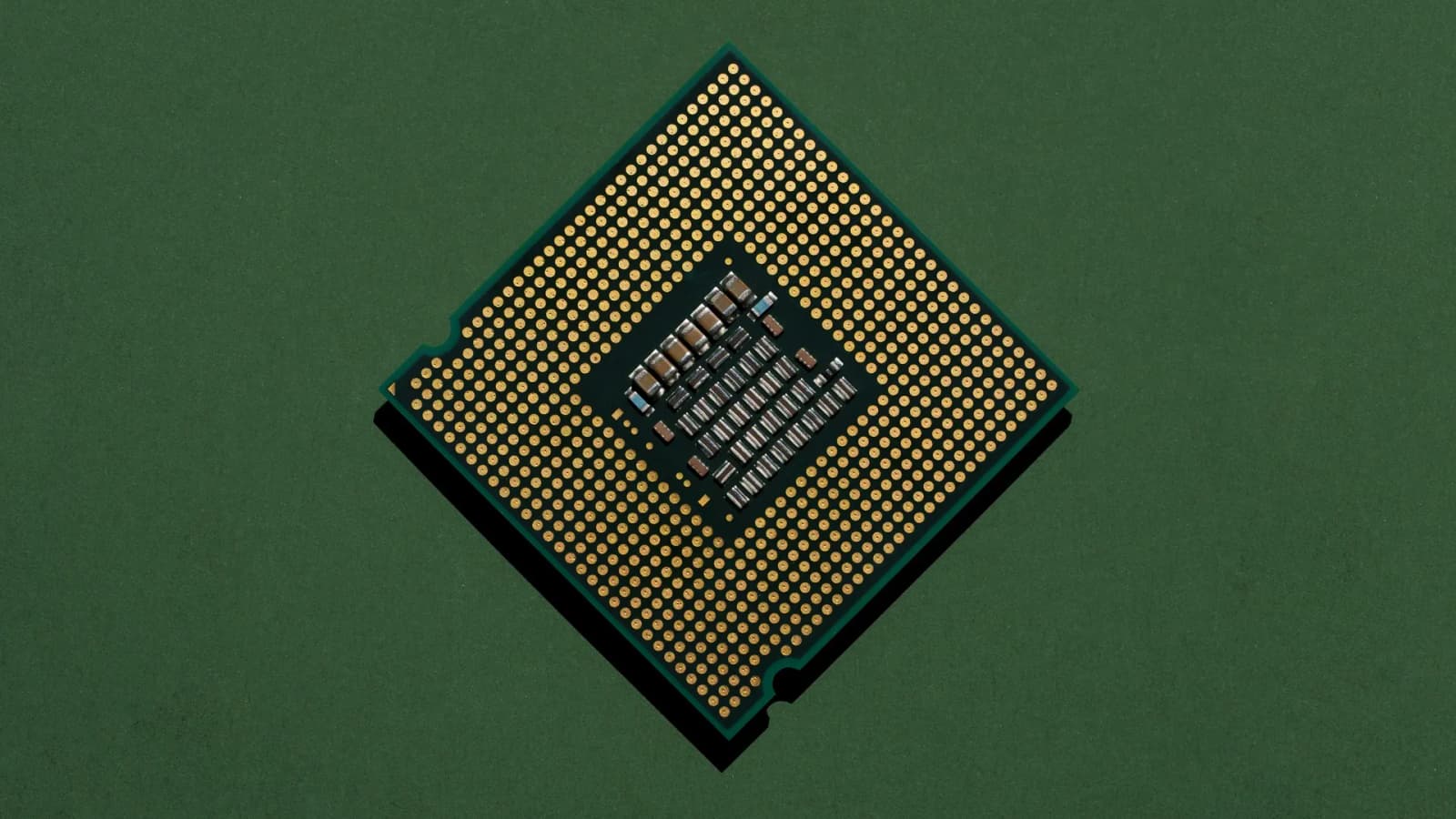
OpenAI and Synopsys are developing a specialized model that can directly operate professional chip-design tools, with the goal of helping engineers move from design objectives to verified silicon faster.
The companies have signed a multi-year agreement to jointly develop GPT-Synopsys, which will combine OpenAI’s frontier models with Synopsys’ electronic design automation (EDA) software and semiconductor expertise. OpenAI will also license Synopsys’ EDA tools to develop the model.
Unlike a general-purpose model connected to engineering software, GPT-Synopsys is being designed to become an expert user of the tools themselves. It will learn to run EDA workflows, interpret results, and repeatedly modify designs based on those results.
Engineers will be able to give the system objectives involving power, performance and area (PPA), timing or verification. Agents will then operate the tools, analyze their outputs, implement changes, and iterate toward verified results that engineers can review.
Model learns engineering tools
“The future of semiconductor engineering requires dramatic acceleration of the chip design process without compromising PPA or first-time-right silicon,” said Sassine Ghazi, president and CEO of Synopsys.
“Together with OpenAI, we’re bringing frontier intelligence to chip design to help more companies develop and accelerate advanced silicon, while maintaining the rigor and trust required for manufacturing success.”
GPT-Synopsys will run on OpenAI-hosted infrastructure and integrate with Synopsys.ai and Synopsys Autopilot, the company’s agentic engineering platform. It is also being designed to work with customers’ existing agent systems. Early technology engagements with semiconductor customers are already underway, although the companies did not name them.
The deal builds on Synopsys’ broader push toward autonomous chip engineering. Just two days earlier, the company unveiled its Autopilot platform and long-horizon AgentEngineer systems, which can plan and execute multi-step engineering workflows. Synopsys said deployments of the technology have demonstrated up to 50x faster verification closure, 20 percent higher coverage and a 30 percent productivity boost.
The partnership effectively aims to shift some chip-design work from engineers manually operating individual software tools to agents capable of carrying out longer sequences of engineering tasks.
Agents iterate chip designs
“We’re using our most advanced technology to improve the systems that power AI,” said Greg Brockman, president and co-founder of OpenAI.
“With Synopsys, we’re bringing that work to chip design, helping engineers explore more designs and get to a working chip faster. By helping them build better chips, we can build better AI and bring it to more people.”
OpenAI is also expanding deeper into chip development itself. Earlier this year, it unveiled Jalapeño, its first custom inference accelerator developed with Broadcom. The chip went from initial design to manufacturing tape-out in nine months, with OpenAI’s models used to speed up parts of the design and optimization process.
The companies will jointly offer the compute, model and software licenses needed to use GPT-Synopsys. Their agreement also includes joint research and development, a shared revenue framework and plans to bring the technology to customers worldwide.
Synopsys says customer-specific chip-design data will not be used to train the model. Data will be encrypted both at rest and in transit, while customers will have configurable controls covering retention, permissions, and auditing.
Source: https://interestingengineering.com/innovation/openai-synopsys-model-chip-design-eda-tools
Related articles

Google announces Gemini 4 and says it’s so capable that only ‘trusted cyber defenders’ can have it right now
Google today revealed its next AI frontier model, which it's calling Gemini 4 Argon.
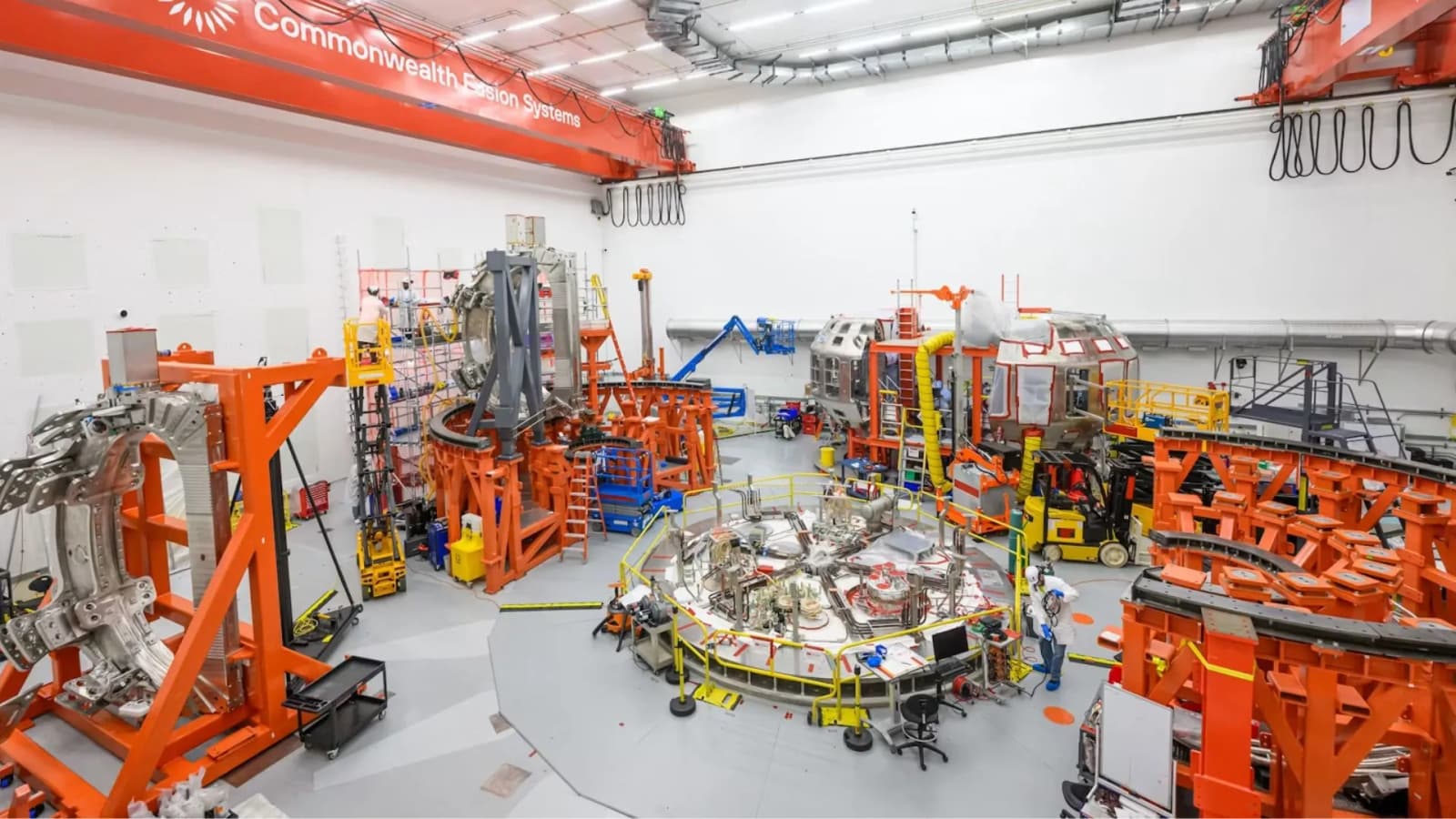
Bill Gates-backed nuclear fusion firm inks record 6,200-mile reactor tape deal for grids
Commercial nuclear fusion has moved one step closer to reality. Commonwealth Fusion Systems (CFS) has...

Chinese lidar laser sensor detects 1,200-mph US F-35 fighter from 38 miles at night
A Chinese missile research team has simulated a laser-based seeker detecting an F-35 stealth fighter...
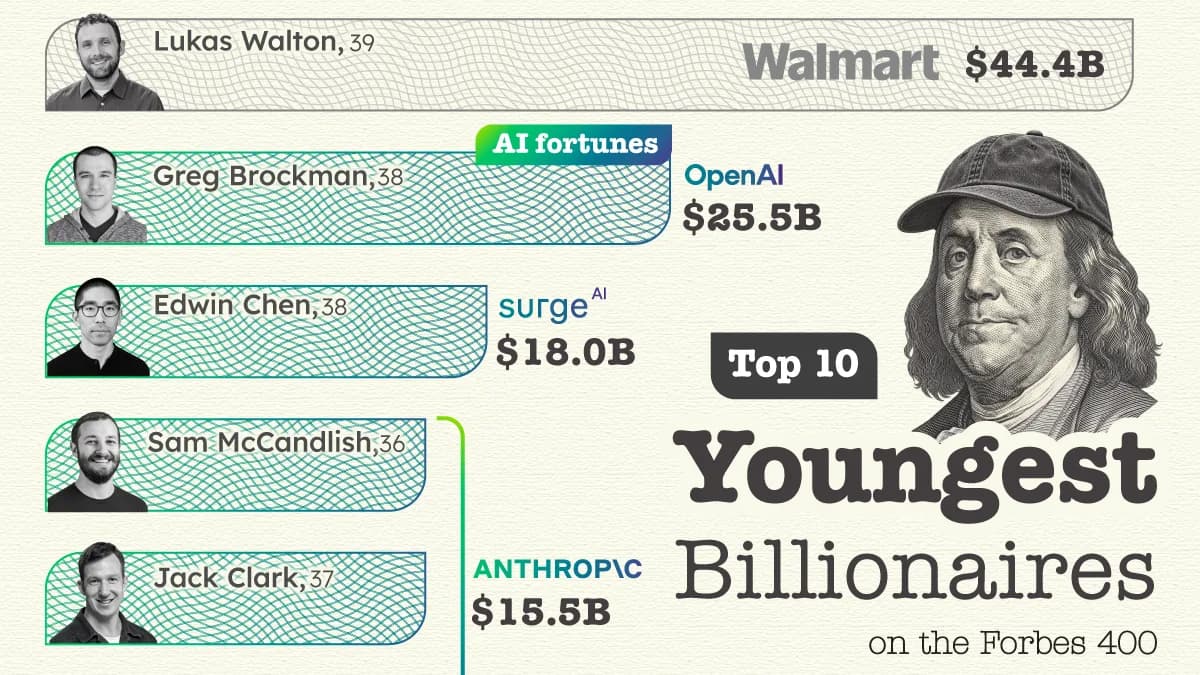
Ranked: The 10 Youngest U.S. Billionaires on the Forbes 400
America's youngest billionaires are increasingly tied to AI, with seven of the top 10 building fortunes in the industry.

The AI Tamagotchis are coming
While AI has made plenty of inroads on people's phones and computers, it's largely failed in dedicated devices.

Bio-inspired airborne robot makes soft water landing, converts to autonomous sailboat
Mother Nature spent millions of years perfecting the maple seed’s gentle spiral to the forest...