Ex-OpenAI engineer accused of bugging executive conference room denied bail as prosecutors cite Saudi ties
A San Francisco federal judge ordered former OpenAI engineer Abdulrahman Alfozan, a Saudi national accused of planting a recording device in an executive conference room, held without bail, citing a significant risk he would flee.
This story was prepared automatically by software.
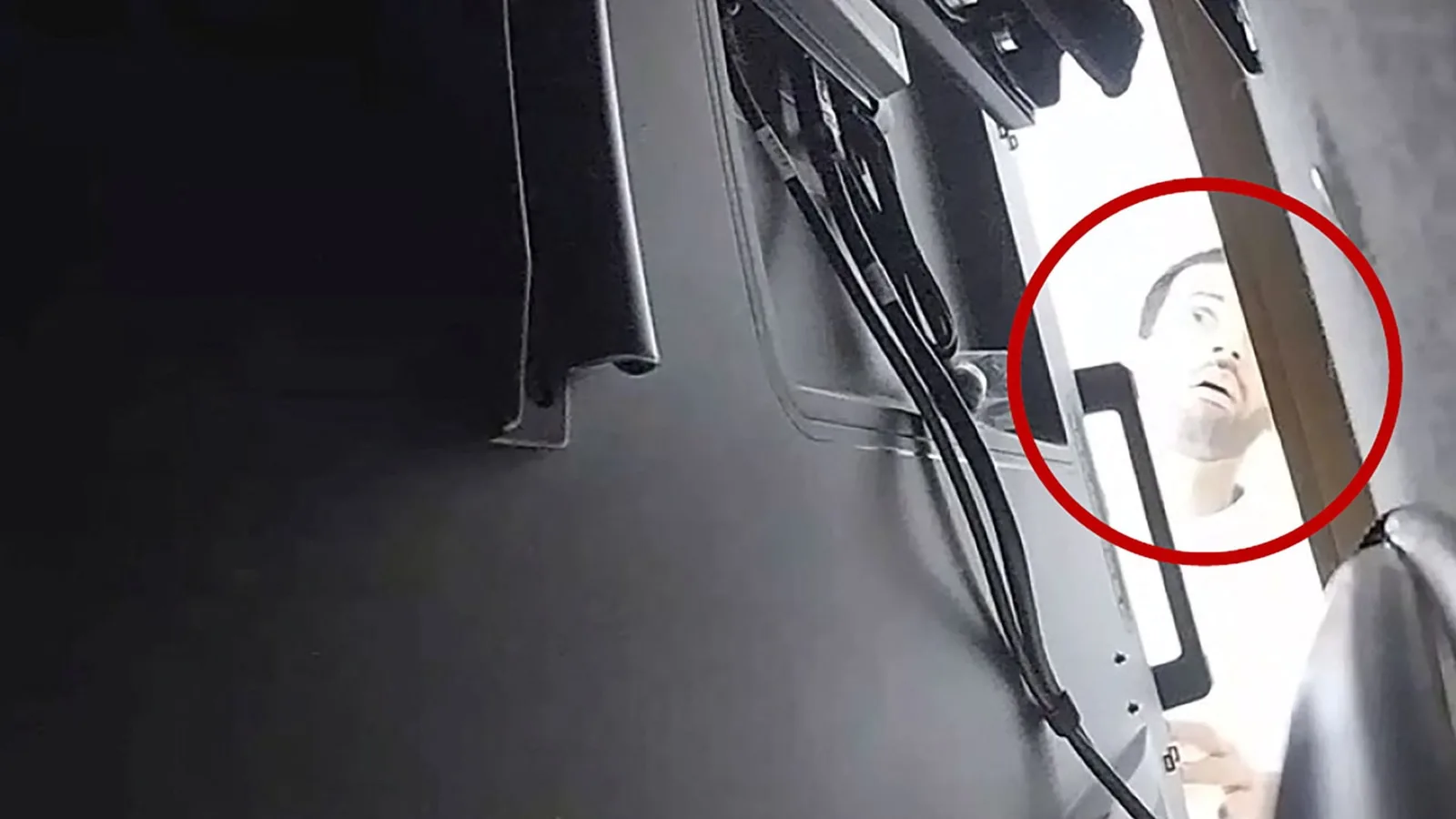
A San Francisco federal judge on October 19 ordered Abdulrahman Alfozan, a 35-year-old Saudi national accused of planting a recording device in an executive conference room at OpenAI’s headquarters, detained without bail pending trial, according to CNBC, the BBC and the AP. US District Judge Alex Tse said there was a “significant” risk he would not appear.
The allegations
According to prosecutors’ filings, Alfozan, who was working at OpenAI as an engineer, inserted a surreptitious audio recording device into a USB port on the back of a television in an executive conference room on or about September 28, where it remained for at least several days. OpenAI discovered the device on September 30 and installed a camera, which on October 5 filmed Alfozan appearing to check behind the television. The FBI arrested him on October 9, and OpenAI terminated his contract.
Prosecutors said the room is used for highly confidential discussions about OpenAI’s technical progress, strategy, government engagements and commercial relationships, and that OpenAI executives met government officials there on days close to when the device was allegedly planted, meaning the conduct “could pose a danger to the national security of the United States.” Alfozan is charged with using or endeavouring to use a device to intercept oral communications, which carries a maximum sentence of five years in prison and a $250,000 fine. “This is an ongoing investigation that may yet result in more serious charges,” the filing says.
Alleged Saudi connections
Prosecutors said Alfozan was in “frequent communication” over WhatsApp throughout 2025 and 2026 with an unnamed member of the Saudi royal family, who told him an AI initiative was being launched in Saudi Arabia and wanted him to join. Alfozan and his family had been scheduled to fly one-way from San Francisco to Riyadh on October 12. The day after his arrest, his wife and three-month-old son flew to Doha on a one-way business-class ticket booked and paid for by a Saudi military official, prosecutors said.
At the hearing, Judge Tse questioned an offer by the Saudi Consulate in Los Angeles to pay Alfozan’s full bail. “It seems like a blank check,” he said, asking what confidence he could have that it would protect the interests of the US government. Saudi Arabia has no extradition treaty with the United States. Alfozan’s lawyer had argued for his release, noting that he has lived in the US for about 15 years, worked at tech companies including Meta, is a legal permanent resident and has applied for citizenship. The Saudi government did not immediately respond to the BBC’s request for comment.
A security test for AI labs
The case puts a spotlight on how leading AI companies protect their intellectual property and strategic information. The investigation is continuing, and the allegations against Alfozan have not been proven in court.
Sources: CNBC, BBC, AP. Image: US Justice Department court filing (Reuters, via CNBC).
Related articles