
Paper mill waste could become key material for cheaper sodium-ion batteries
Researchers may have found an unexpected battery material solution within the discarded wood industry byproduct....
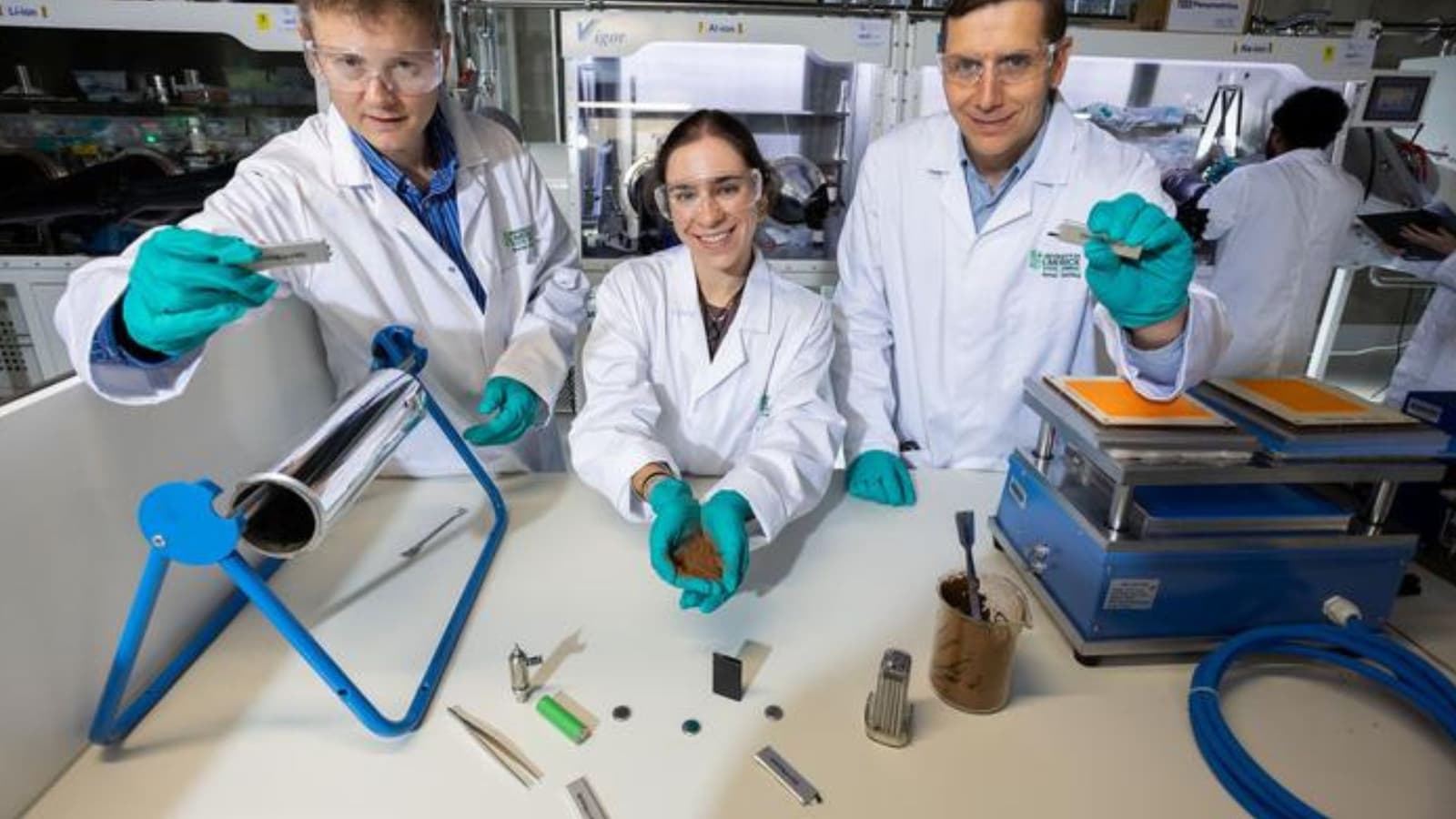
Researchers may have found an unexpected battery material solution within the discarded wood industry byproduct.
The University of Limerick (UL) in Ireland and the University of Valencia in Spain found a way to repurpose lignosulfonate, a waste byproduct from the pulp and paper industry. The process converts this material into high-performance carbon nanofibers for sodium-ion batteries.
The search for cleaner and more affordable electric vehicle batteries is driving a race to replace costly lithium-ion technology, which depends on scarce and environmentally damaging materials like lithium and cobalt.
Converting this industrial waste into battery materials may offer a promising path past current supply issues toward sustainable, large-scale energy storage.
“This research shows how an underused byproduct from the forestry and paper industries can be converted into a valuable battery material using a simple water-based process,” said Professor Maurice N Collins, lead of sustainable and resilient materials at the Bernal Institute, who led the study.
Sustainable alternative
Sodium is one of the most abundant elements on the planet, making sodium-ion technology a prime candidate to power the green transition. However, existing battery manufacturing processes still depend on toxic organic solvents, synthetic binders, and energy-intensive processing.
The Irish-Spanish research team worked to change this. Using a green chemistry approach, the toxic solvents were eliminated in favor of simple water. They also combined lignosulfonate with natural ingredients to spin ultra-fine fibers without synthetic binders or extra additives.
“What is particularly exciting about this research is that sustainability is built into every stage of the material’s development. We start with an abundant industrial byproduct, process it using water rather than organic solvents, and engineer its internal structure to improve sodium storage. This shows that high-performance battery materials can be designed with both electrochemical performance and environmental responsibility in mind,” said Tadhg Kennedy, co-director of the AMPEiRE Battery Research Center at the University of Limerick and co-author of the work.
Interestingly, the central achievement rests in how researchers designed the carbon material at the nanoscale level.
Scientists created an optimized pathway for sodium ions by fine-tuning the material’s chemistry and internal structure during synthesis. This particular design boosted energy storage and release efficiency throughout each charge and discharge cycle.
“By carefully engineering the nanostructure of the carbon material, we were able to improve how efficiently sodium ions are stored and released during charging and discharging,” noted Collins, the lead researcher.
Extensive further studies required
Researchers combined sustainable, water-soluble bio-ingredients, specifically lignosulfonate, gelatin, and alginate, to develop nanostructures. During heat treatment, the gelatin and alginate serve as sacrificial templates, ultimately producing high-surface-area hollow carbon nanostructures.
This discovery could provide both environmental and economic benefits.
Paper manufacturing produces millions of tons of lignosulfonate annually, which is currently burned on-site for low-value heat recovery or discarded.
However, there are challenges. Because lignosulfonate comes directly from paper mill wastewater, its chemical makeup varies with wood species and pulping techniques. To achieve consistent quality across large industrial batches, strict purification standards would likely be needed to standardize this raw byproduct for battery manufacturing.
This study also raises key questions regarding material durability and environmental impact. Structural integrity remains a concern, particularly how hollow nanofibers withstand the physical stress of repeated sodium-ion movement over thousands of cycles.
If successful, it could eventually transform unwanted paper and forestry waste into high-value materials using a clean, water-based process. And of course, this approach could accelerate the shift to sodium-ion technology and reduce global dependence on vulnerable lithium supply chains.
Related articles

Epic shifts to ‘AI-accelerated development’ for upcoming Disney game
Epic Games plans to use AI to generate code and art for an unannounced Disney game, which is now delayed from its original March release window, according to a report from Bloomberg.

Here are all the new HomePod Mini 2 colors
Apple's HomePod Mini 2 is here, and we've gotten a close-up look at the second-gen smart speaker.

DLSS 5 gets toned down for its Hogwarts Legacy debut next month
When Nvidia originally showed off DLSS 5 earlier this year, the technology immediately got branded as gen AI for video games. To gamers, Nvidia had lost the plot.

Apple’s HomePod Mini 2 is available to preorder
After nearly six years, Apple debuted a new, improved HomePod Mini. The $149 HomePod Mini 2 will launch on Friday, October 30th, and you can place a preorder now through Apple.
New two-phase system for chip cooling could reduce short-circuit risks
Researchers at Peking University in China have developed an embedded cooling system that uses an...
Old smartphone, new legs: UCLA’s open-source PhoneBot walks on a $400 robot body
Old Android phones gathering dust in drawers could soon have a second career as the...