
Rolls-Royce nuclear reactor fleet locks in critical safety hardware for 470 MW units
Rolls-Royce SMR has selected Czech engineering firm ŠKODA JS to deliver critical reactor regulation systems...
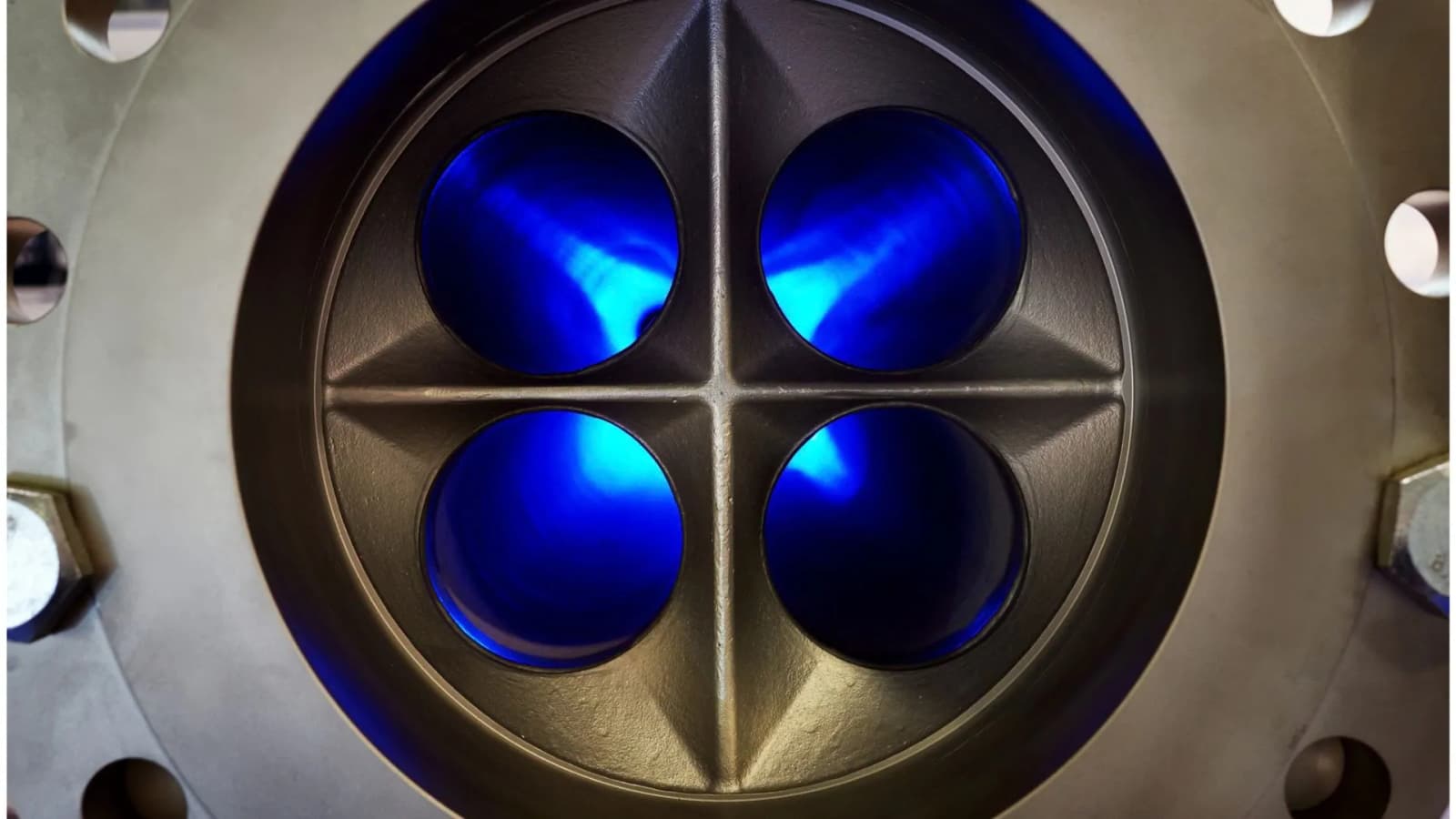
Rolls-Royce SMR has selected Czech engineering firm ŠKODA JS to deliver critical reactor regulation systems for its small modular reactor program.
Under the new supply agreement, ŠKODA JS will design and manufacture Control Rod Drive Mechanisms. These units are vital for nuclear safety. They adjust the reactor’s electrical output during normal operation and drive control rods into the core to initiate rapid shutdowns during emergencies.
The Czech company will first build a dedicated prototype for the British design. It will then prepare its facilities for serial manufacturing. ŠKODA JS leadership expects the agreement to unlock substantial recurring revenues. They project orders worth more than one billion Czech crowns for every power station Rolls-Royce builds.
Very few manufacturers in Europe hold the technical qualifications required to build control systems for Pressurized Water Reactors. By locking in ŠKODA JS, Rolls-Royce SMR secures a specialized tier-one supplier as competition for nuclear manufacturing capacity accelerates across the continent.
Expanding the nuclear supply chain
The partnership also cements deeper industrial ties between the UK and Czechia. Rolls-Royce SMR recently signed an agreement with domestic utility ČEZ and the Czech Ministry of Industry and Trade.
The bodies are currently assessing potential sites at Tušimice and Dětmarovice, alongside planned installations at Temelín. Together, these sites could host up to 3,000 megawatts of generation capacity.
Rolls-Royce SMR chief executive Chris Cholerton noted that ŠKODA JS brings proven expertise to one of the plant’s most demanding components.
ČEZ chief executive Daniel Beneš stressed that timing is decisive. Because global supply chains for modular reactors are forming now, suppliers that establish early positions can secure work for decades. ČEZ holds an equity stake in Rolls-Royce SMR and helped broker the integration of Czech industry into the program.
“Škoda JS now faces the task of developing a prototype specifically for small modular reactors so that it can subsequently supply them to Rolls-Royce SMR worldwide,” concluded Beneš.
Fabricating standardized modules
The contract builds on a preliminary pact agreed between the two firms in August 2025. Rolls-Royce SMR is pursuing a manufacturing model that departs sharply from traditional civil nuclear projects.
Instead of custom-building reactors directly on site, the company fabricates standardized modules measuring 16 by 4 meters in controlled factory settings. These modules travel by road or rail before final on-site assembly. The method aims to reduce capital risk, eliminate weather-related delays, and shorten construction schedules.
Each unit will produce 470 megawatts of electricity—enough low-carbon power for roughly one million households. Rolls-Royce calculates that this individual output matches more than 150 onshore wind turbines, with an operational design life exceeding 60 years.
Alongside its plans in Central Europe, Rolls-Royce SMR is working with Great British Energy – Nuclear on initial UK projects in North Wales, while Sweden’s Videberg Kraft has selected the consortium to supply three units on the Swedish coast.
Related articles
China conducts satellite-to-satellite refueling operation in high Earth orbit: Report
China has successfully refuelled one of its BeiDou satellites in high orbit, according to reports. The...

Nuclear war, bioweapons, runaway AI: How researchers rank risks of smart systems
Artificial intelligence researchers have long warned the technology could wipe out humanity, whether by designing...
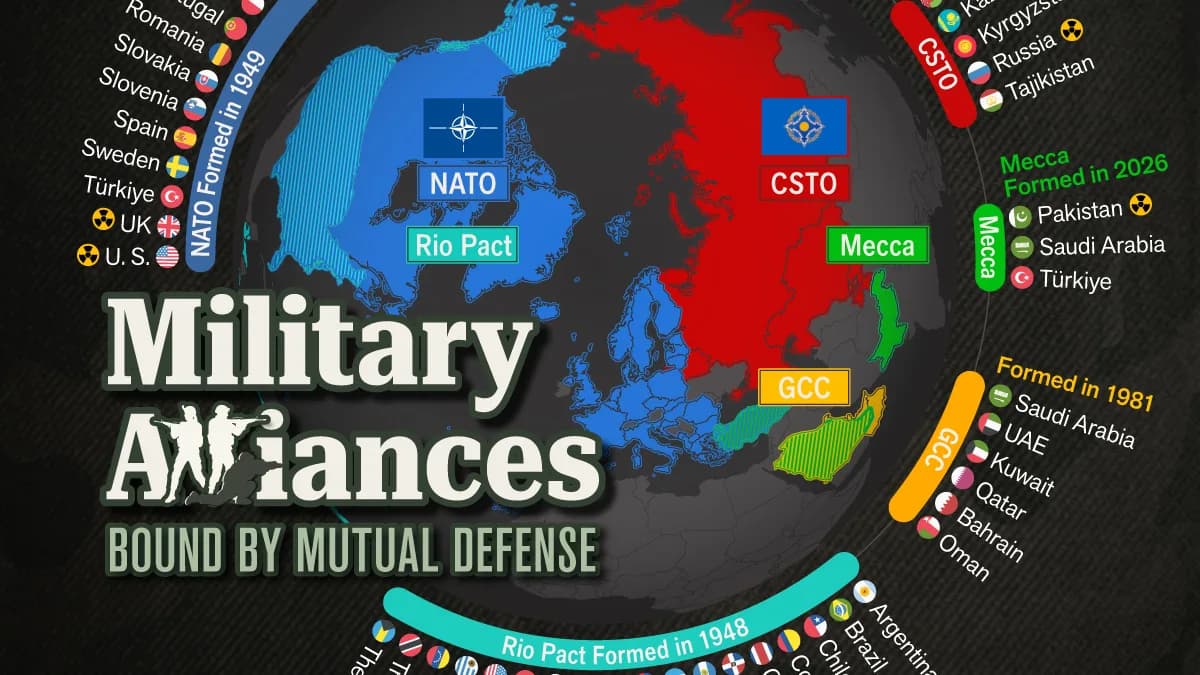
Mapped: The World’s Military Alliances in 2026
This map shows five major mutual defense alliances around the world, including NATO, the Rio Pact, CSTO, GCC, and the new Mecca Defence Alliance.

Ranked: America’s 25 Best Cities for Work in 2026
Discover the best cities for work in 2026, ranked by job opportunities, compensation, career mobility, work-life balance, and more.
Two labs independently measure quarter-electron charge in a rare quantum state
An electron cannot be split into smaller charged pieces. Yet under extreme conditions, electrons can...
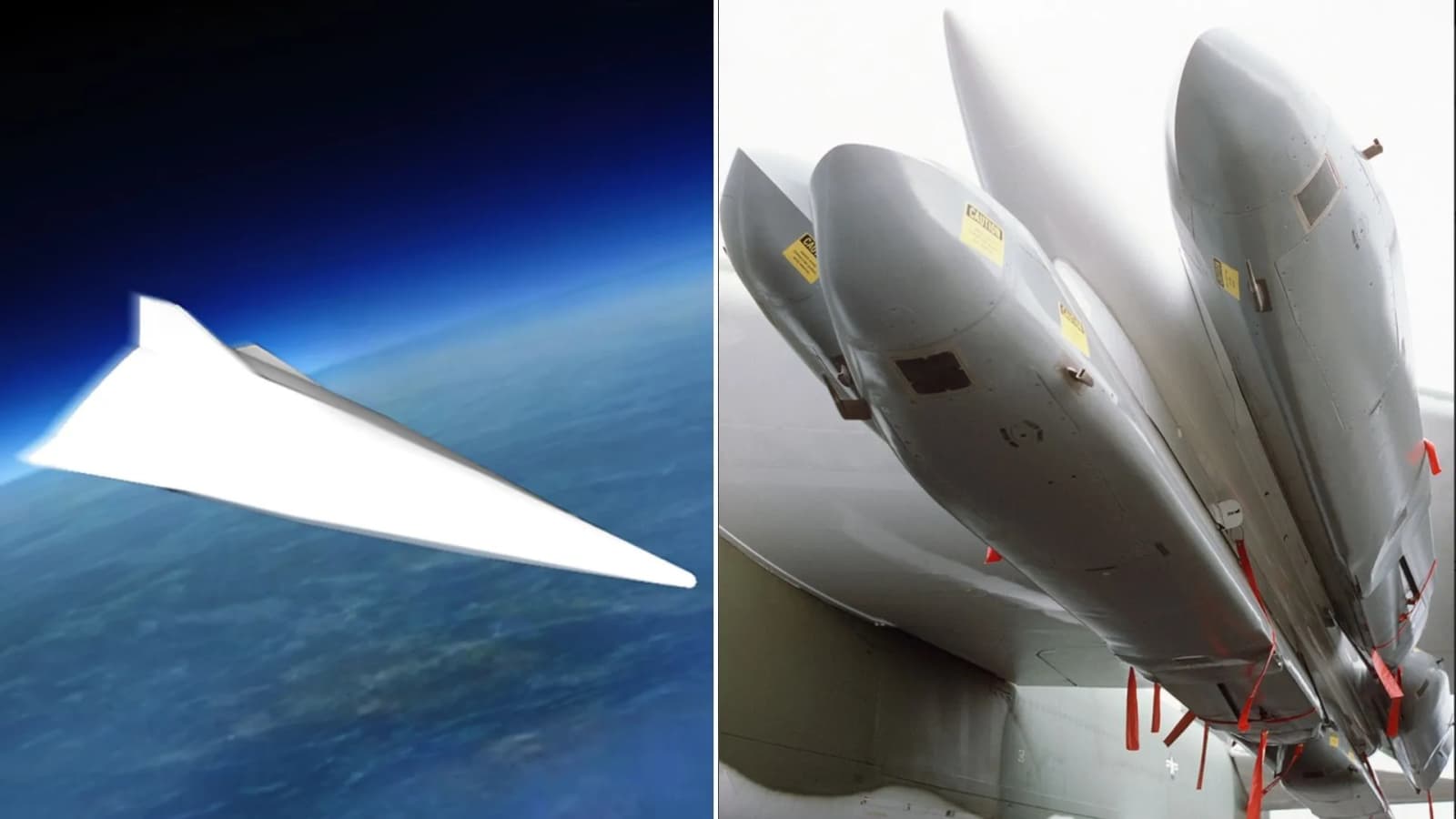
Hypersonic glide vehicles vs cruise missiles: How the weapons differ
Hypersonic weapons are designed to travel at speeds of Mach 5 or higher, or at...