
South Korea conducts first test launch of domestically-developed hypersonic glide vehicle
South Korea has successfully conducted the first test launch of its domestically developed hypersonic glide...
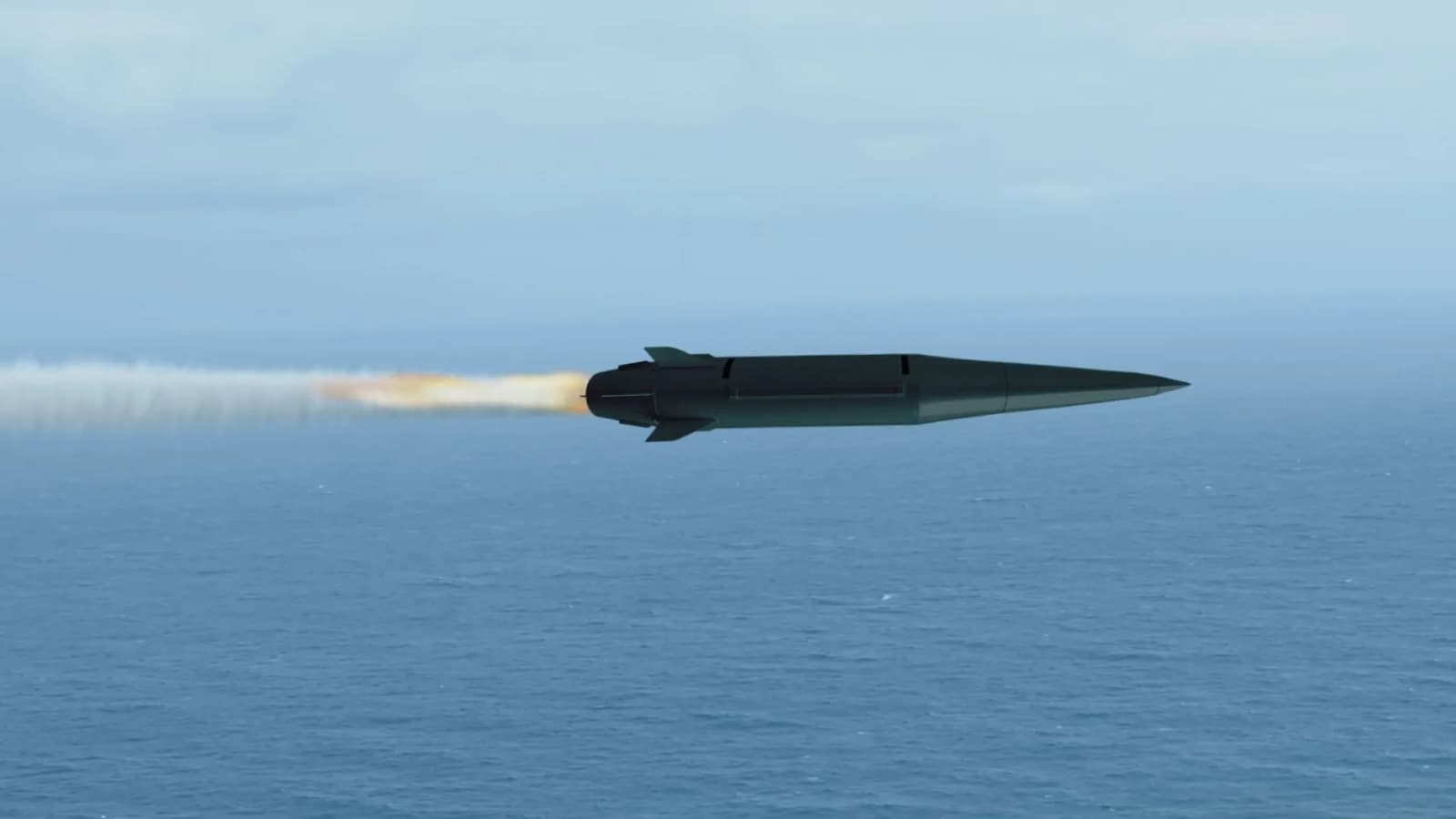
South Korea has successfully conducted the first test launch of its domestically developed hypersonic glide vehicle (HGV). The test marks a significant milestone in the country’s efforts to strengthen its defense capabilities.
The test was conducted to verify critical hypersonic technologies, including flight trajectories, speed, guidance and control systems, and the vehicle’s ability to maneuver at low altitudes.
The successful trial represents an important step towards developing a new strategic deterrent capable of striking key targets across the Korean Peninsula.
Hypersonic glide vehicle separated successfully from its booster
The hypersonic glide vehicle reportedly separated successfully from its booster before following its planned flight path under hypersonic conditions. During the test, the vehicle descended to a lower altitude and performed horizontal and vertical maneuvers before accurately hitting its designated target, according to presidential spokesperson Kang Yu-jung.
The test also focused on evaluating heat-resistant materials capable of withstanding the extreme temperatures generated during hypersonic flight. Reliable guidance and control mechanisms remain equally important for ensuring accuracy and maintaining stability under demanding flight conditions.
Although the first successful test represents a major achievement, further development and evaluation will be necessary before the system can be considered a fully operational military capability.
Ability to deter potential aggression
The development of a hypersonic glide vehicle could strengthen South Korea’s ability to deter potential aggression by improving its capacity to threaten high-value military targets. The system’s speed and maneuverability may also complicate an adversary’s efforts to detect, track, and intercept an incoming weapon.
However, the effectiveness of any hypersonic weapon depends on more than speed alone. Operational reliability, targeting accuracy, command-and-control arrangements, survivability, and integration with existing military systems will all influence its eventual strategic value.
The test also comes amid wider international efforts to develop hypersonic weapons and countermeasures. Major military powers have invested in such technologies as they seek to improve strike capabilities and respond to the limitations of existing air and missile-defense systems.
South Korea’s successful test launch of its first hypersonic glide vehicle marks a notable step forward in the country’s pursuit of advanced indigenous military technology. With President Lee Jae Myung observing the trial, the event also signals strong political support for strengthening national defense capabilities.
Despite the successful trial, significant technical and operational challenges remain before South Korea’s hypersonic glide vehicle can be deployed as a dependable strategic asset.
Maintaining structural integrity under extreme heat, ensuring precise navigation during high-speed maneuvers, and demonstrating consistent performance across different flight conditions are among the challenges associated with hypersonic weapons development.
The test also comes amid wider international efforts to develop hypersonic weapons and countermeasures. Major military powers have invested in such technologies as they seek to improve strike capabilities and respond to the limitations of existing air and missile-defense systems.
South Korea has not indicated that the system is already operational. Instead, the inaugural test should be viewed as an important development milestone in an ongoing program.
Further testing and technical improvements will be necessary to establish the weapon’s reliability and determine how it could be incorporated into South Korea’s broader defense posture.
Source: https://interestingengineering.com/military/south-korea-hypersonic-glide-vehicle-test
Related articles

Where the World’s Biggest Arms Exporters Send Their Weapons
Explore who receives weapons from the world's biggest arms exporters, from U.S. shipments to Saudi Arabia to military aid for Ukraine.

Trump’s attempt to rename AI is looking awfully artificial
President Donald Trump has a knack for turning words against his enemies.

The AI is in the computer
It's gadget season, and a lot of companies are launching a lot of new products.

YouTube, Meta, and Twitch won’t say if they’ll allow the US government to live stream an execution
YouTube, Twitch, Meta, and X aren't saying whether they'll allow the US government to livestream an execution on their platforms.
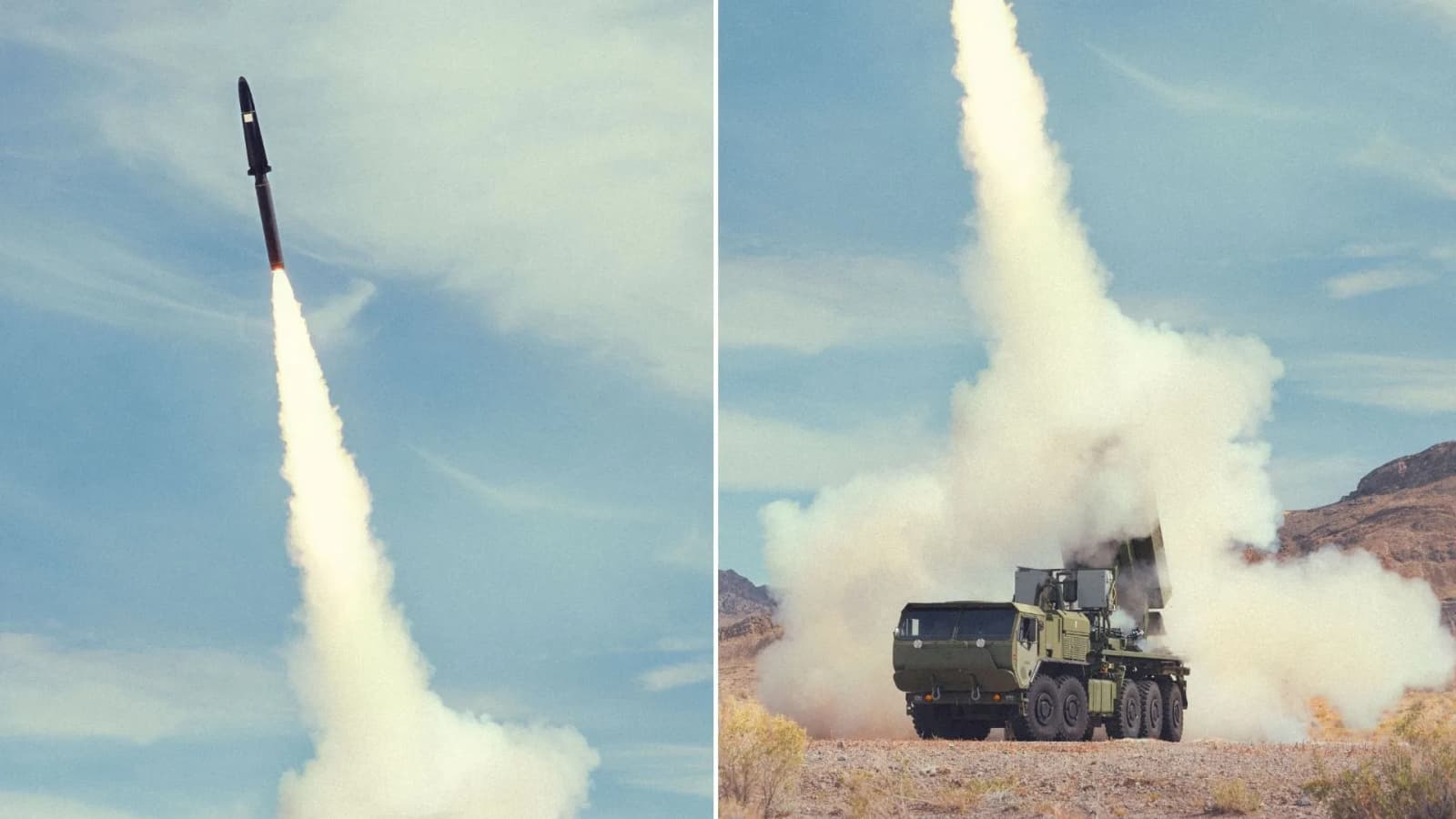
US Army eyes Blackbeard hypersonic missile as Castelion tests truck launcher
US defense startup Castelion has released what appears to be the first public image of...
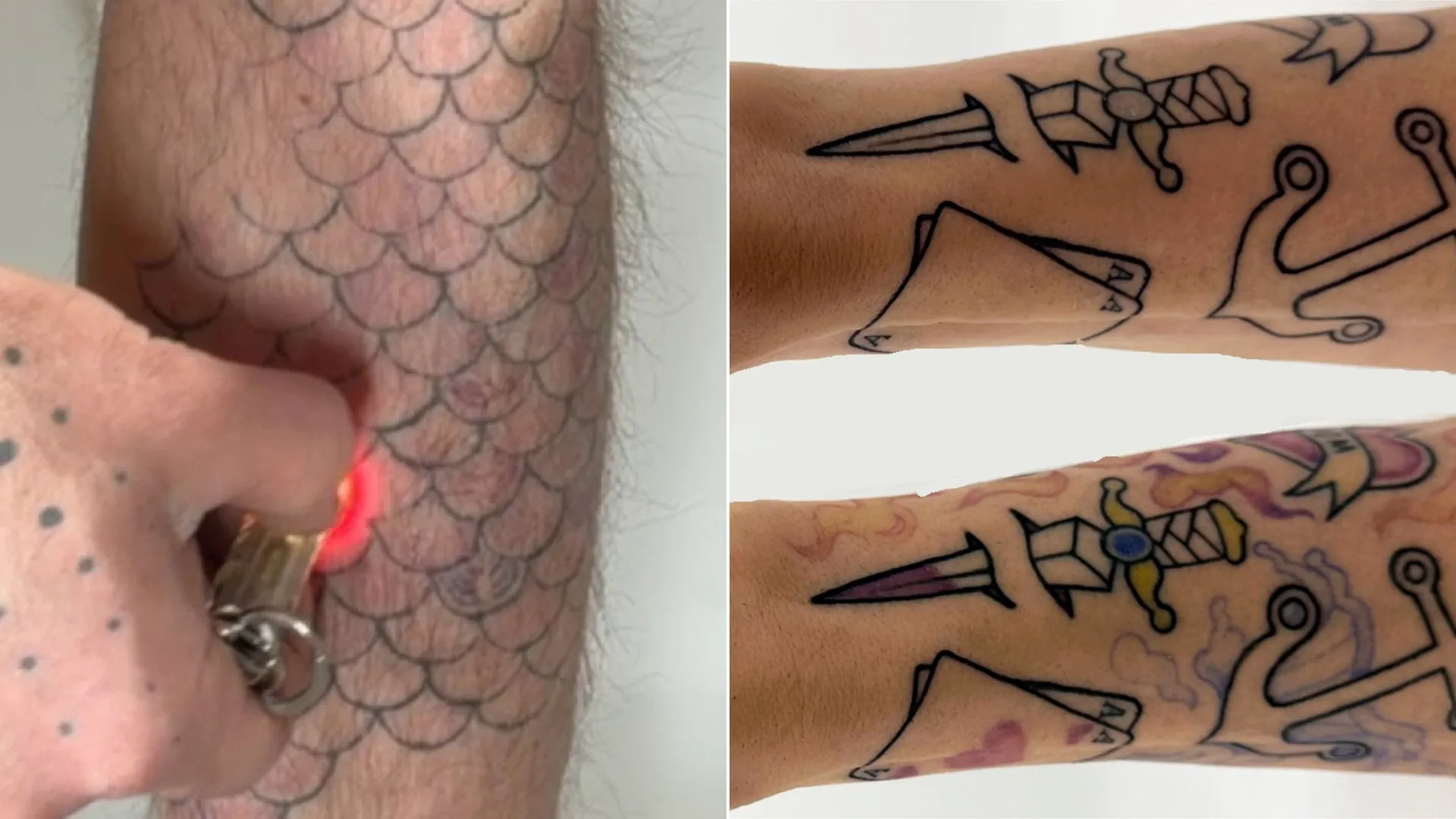
PhotoTat: Switchable tattoo inks turn on under UV light and fade with LED exposure
Engineers have designed a new line of multicolored tattoo inks that switch on and off...