
Tiny pluggable optical module boosts data center bandwidth 4x without extra hardware
NVIDIA and Cisco have announced plans for a new optical module that could deliver up...
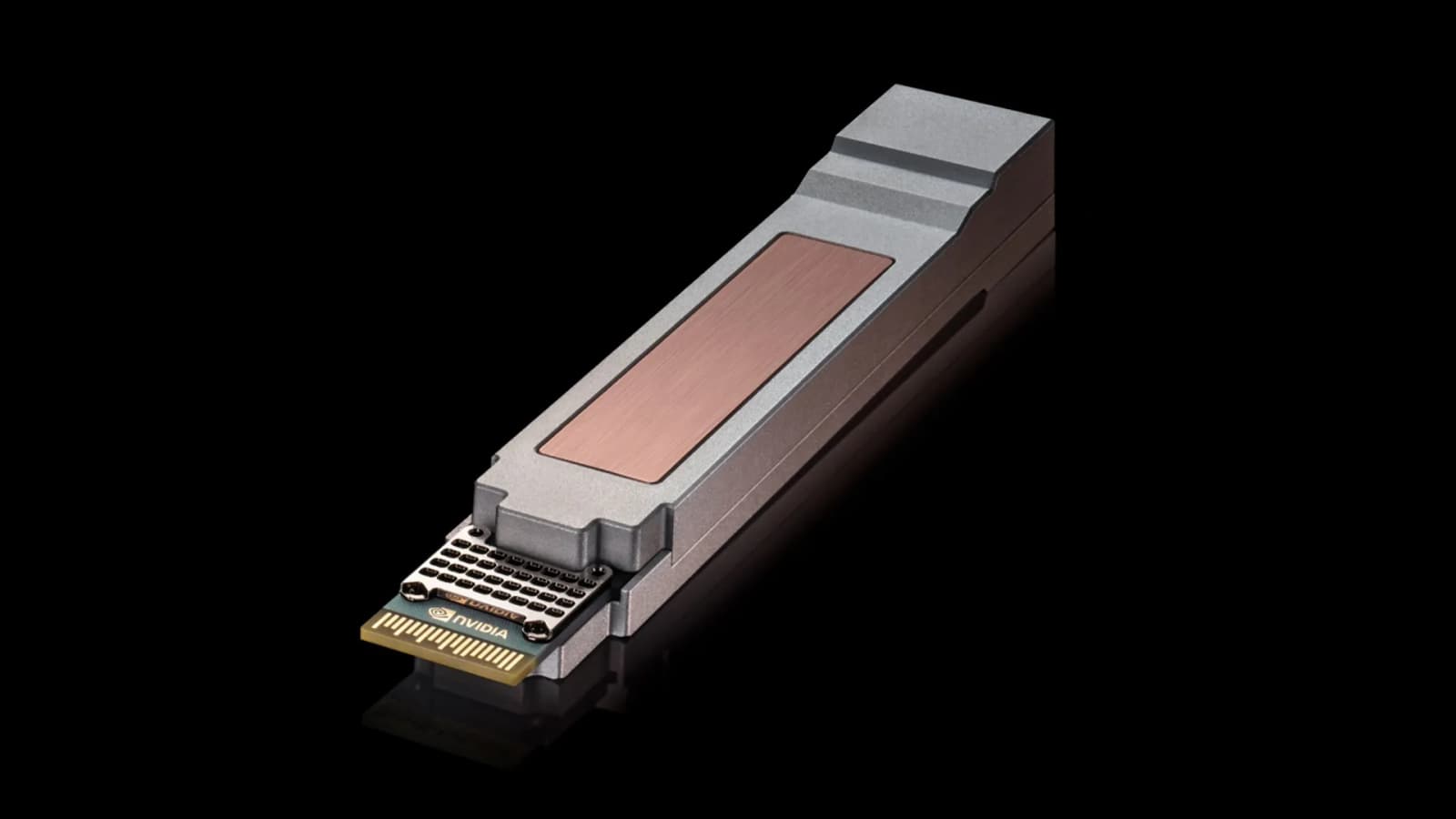
NVIDIA and Cisco have announced plans for a new optical module that could deliver up to 12.8 terabits per second (Tbps) of capacity, offering four times the bandwidth density of existing 200-gigabit-per-second-per-lane technology for data center networks.
Called Ultra-Dense Small Form Factor Pluggable (USFP), the module is designed to support electrical signals operating at 400 gigabits per second (Gbps) per lane. The companies say it could also deliver approximately 30 percent greater power efficiency than current 200Gbps-per-lane pluggable modules.
The technology is intended for large computing facilities that train and run artificial intelligence models. These systems require thousands of processors to exchange enormous amounts of data, placing growing demands on the networks connecting them.
NVIDIA and Cisco are developing USFP with connector manufacturers TE Connectivity and Amphenol. The companies plan to establish a common hardware standard that would allow multiple suppliers to produce compatible modules. They have not announced a commercial launch date.
Doubling lanes boosts bandwidth
The first planned USFP transceivers will combine 16 full-duplex lanes in a module roughly the size of an existing octal small form factor pluggable (OSFP) transceiver. Full-duplex means each lane can send and receive data simultaneously.
By doubling both the number of lanes and the bandwidth per lane, the design aims to provide four times the bandwidth density of current 200Gbps-per-lane modules.
This could allow operators to connect more computing systems through existing switch infrastructure without adding extra network layers. Additional switches and optical connections can increase latency, electricity consumption, and operating costs.
The companies say USFP could support 1.6Tbps network endpoints while allowing the overall architecture to scale to 12.8Tbps. Future versions could expand to 32 full-duplex lanes or more.
A key engineering change is a two-dimensional connector array with a two-step insertion mechanism. Its high-speed electrical contacts engage only after the module has been inserted, helping reduce contact wear and maintain signal quality.
The connector is also designed to improve electrical performance at existing 200Gbps-per-lane speeds.
Higher speeds without redesign
USFP is designed to dissipate up to 100 watts of power without requiring a separate cooling circuit inside the transceiver. This could simplify switch construction while accommodating the heat generated by higher-bandwidth optical connections.
The architecture also supports opticaldesigns that simplify signal processing, potentially reducing both power consumption and communication delays.
“Building the world’s largest AI factories starts with rethinking the smallest of connections,” said Gilad Shainer, senior vice president at NVIDIA.
The companies intend to preserve the replaceable, modular design of existing optical transceivers, allowing operators to upgrade networking hardware without fundamentally changing how equipment is installed or maintained.
The collaboration builds on NVIDIA’s Spectrum-X Ethernet networking technology and Cisco’s Silicon One networking systems, which the companies have been working to integrate.
TE Connectivity and Amphenol will contribute to the development of USFP connectors, cages and modules, with additional manufacturers expected to join.
NVIDIA and Cisco also plan to establish an open industry specification through a community-led multi-source project.
For now, the announced bandwidth and efficiency improvements remain design targets. The companies have not disclosed independent test results, production volumes, or pricing for the planned modules.
Related articles
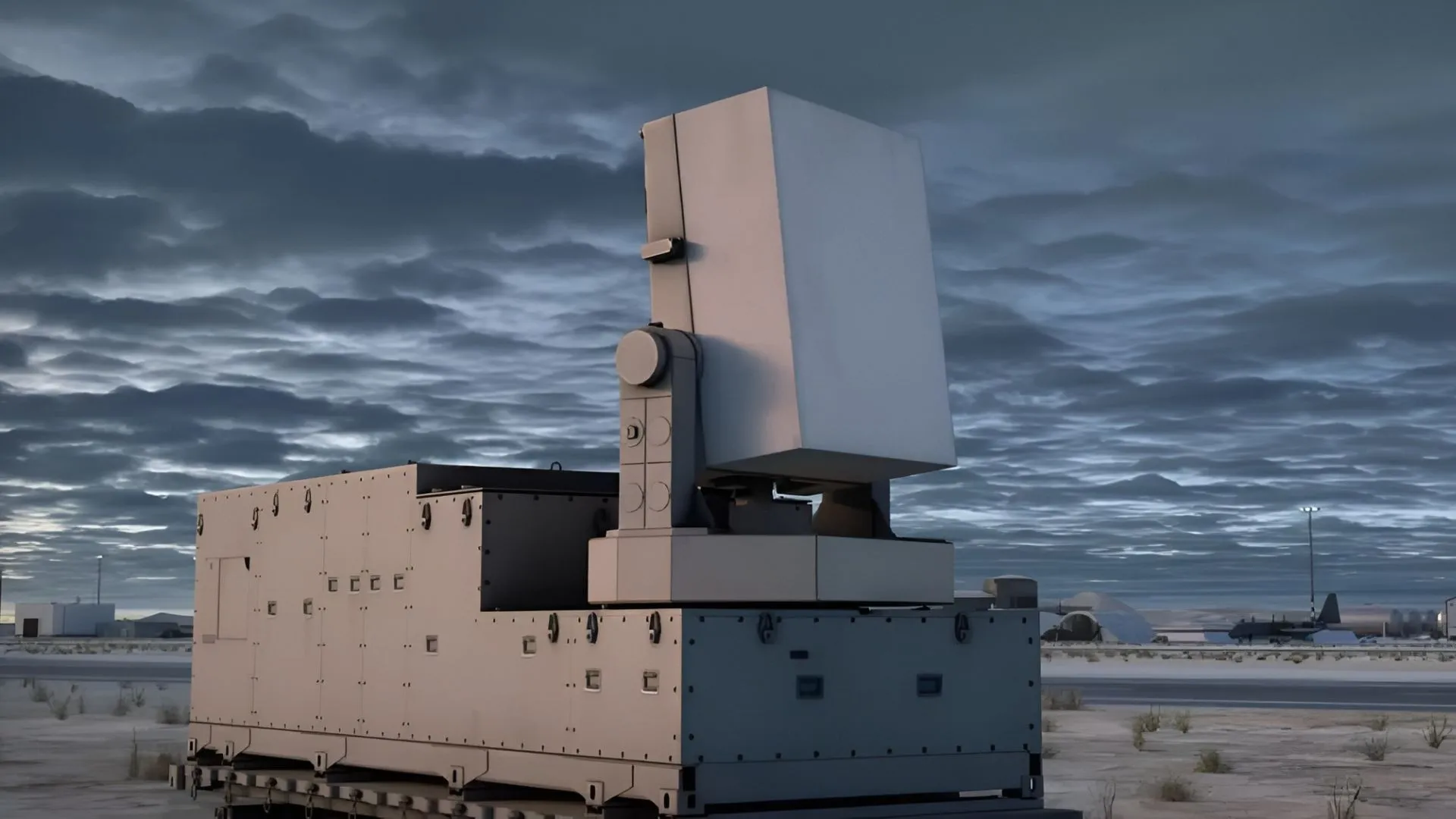
New microwave weapon can zap drone swarms without burning through missiles
BAE Systems has unveiled two air defense technologies designed to help the US Army counter...

Valkyrie combat drone makes first European flight with 3,100-mile range and Mach 0.8
Airbus and Kratos Defense & Security Solutions have flown the U740 Valkyrie uncrewed combat aircraft...

Amazon tops 1 million warehouse robots as AI models like DeepFleet, Sparrow and Vulcan expand its fleet amid worker-safety debate
Amazon now operates more than 1 million robots while still employing over 1.5 million people, Ars Technica reports. The company plans to more than double its robotic arm fleet this year using AI foundation models, while researchers and unions point to shifting injury patterns.

Unredacted Kentucky lawsuit alleges Character.AI chatbots encouraged self-harm and starvation
Kentucky Attorney General Russell Coleman has filed an unredacted version of the state's January lawsuit against Character.AI, detailing alleged chats in which bots encouraged users to cut or starve themselves. The claims are allegations that have not been proven in court.

Microsoft President Brad Smith says UK is best placed to drive global AI regulation
Microsoft President Brad Smith told a BBC podcast that AI is both “a weapon and a tool” and that the moment has arrived for global safety rules. He said voluntary accords are not enough and backed legal breach-notification duties, outside evaluator approval before release and kill switches.
UK steps up cyber defences against AI risks and explores reporting of serious AI incidents and near misses
UK AI Minister Kanishka Narayan announced plans to scale pilots that helped fix more than 1,000 government cyber vulnerabilities, explore stronger protections under the Cyber Security and Resilience Bill regime, including how serious AI incidents and near misses are reported, and prepare for incidents involving autonomous AI agents.