Unitree receives first robotic brain backpack to boost computing power on its robots
Joyson Electronics, a Chinese automotive component supplier, said it delivered its first high-performance robotic brain...
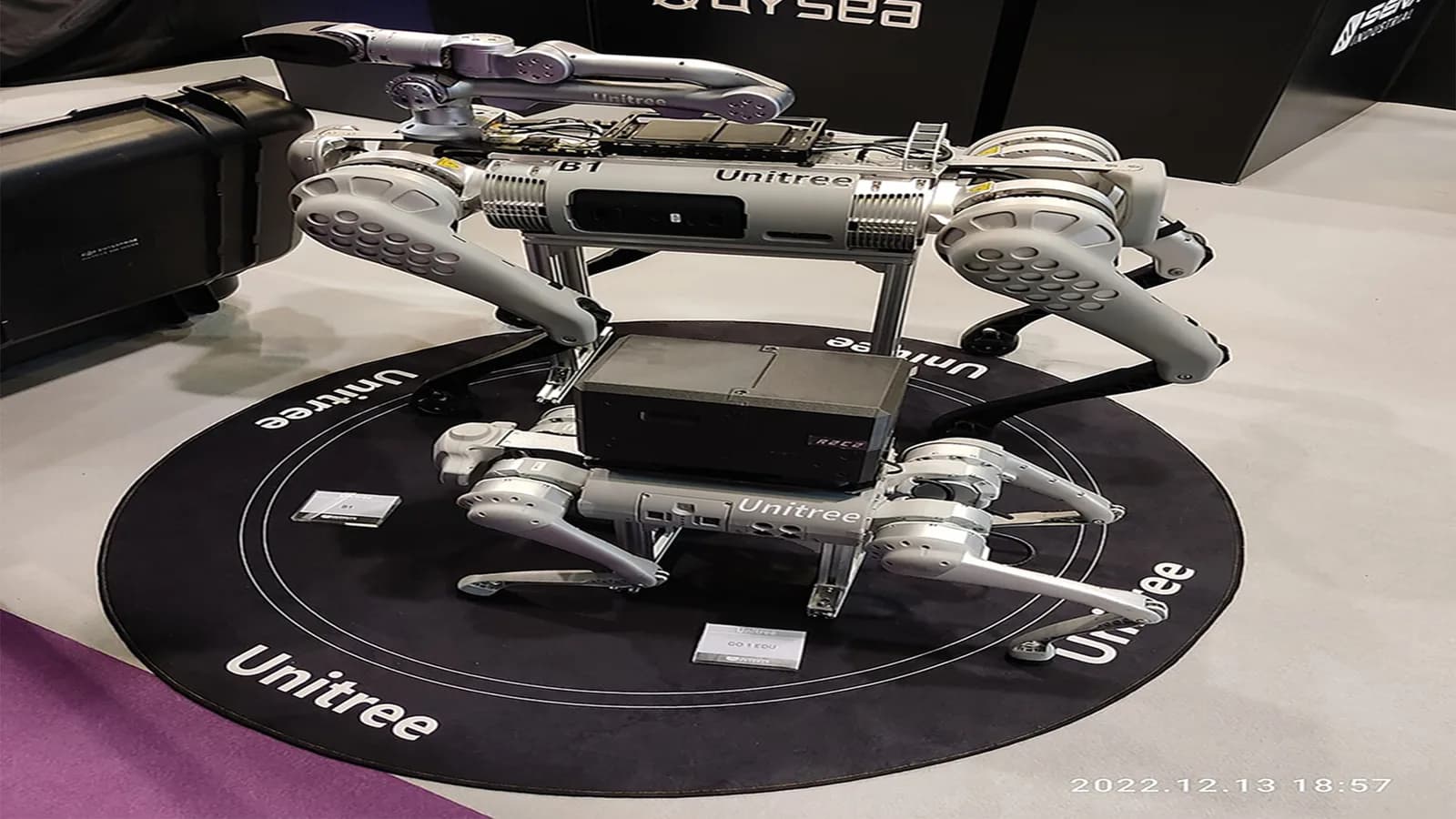
Joyson Electronics, a Chinese automotive component supplier, said it delivered its first high-performance robotic brain backpack to Unitree Robotics on Nov. 10, according to a release distributed by PR Newswire. The backpack is an add-on computing module that gives a robot more processing power for tasks such as perception and motion control. Joyson said the handover moves its partnership with Unitree into the product deployment phase.
The companies entered a strategic partnership this year, the release said. They are jointly developing the backpack, dexterous hands and energy management systems for solid-state batteries, which use a solid electrolyte instead of a liquid one. The stated goal is standardized, mass-producible components that fit different types of robots.
Joyson said the backpack combines an edge computing platform, meaning a computer that runs AI on the robot instead of in a remote data center, with an energy system. It said the unit works with Unitree’s humanoid, quadruped and wheeled robots.
What the backpack is meant to do
Joyson calls the backpack the core carrier of its embodied intelligent brain, a software and hardware package for robots that work in the physical world. According to the release, it can run as a standalone external module for environmental perception, data collection, autonomous decision-making and dynamic motion control. The company also said it supports real-time on-device inference, which means a trained AI model produces decisions locally, and that it improves energy management and significantly extends continuous operating time. The release lists limited training data, too little onboard computing and limits in perception accuracy as challenges for physical AI, meaning AI that acts in the real world.
The release gives no figures for compute, battery capacity or runtime. Unitree already sells humanoids such as the H2-X and its H2 is the base of an NVIDIA research system built around a Jetson AGX Thor computer. The Joyson release does not name a chip or say which Unitree models received the first unit.
Limits and what comes next
The release is the only source, and it comes from Joyson. Unitree is not quoted, and no named executive appears. Claims about performance, including the longer operating time, are the company’s own and come without test data. The release says “first,” but not how many units were delivered or when volume production might start.
Joyson also described work on automotive parts and intelligent manufacturing, with pilot deployments on production lines. It listed data collection, hardware-software integration and industrial foundation model training, meaning large AI models trained on factory data, as focus areas. The goal is standardized robot solutions that can be copied across industrial sectors. The release describes the robotics industry as moving from testing toward large-scale commercial deployment, which is Joyson’s view, not a measured trend.
Other robot makers are exploring solid-state batteries too, such as Xpeng’s IRON humanoid. Joyson said further progress on the joint component work is expected later this year. The release was dated Nov. 11.
Get the latest news delivered to your inbox.
Related articles