US delivers over 1,300 attack drones and 24,000 counter-drone systems to CENTCOM
The Department of War said Nov. 4 that its office for unmanned systems has delivered...
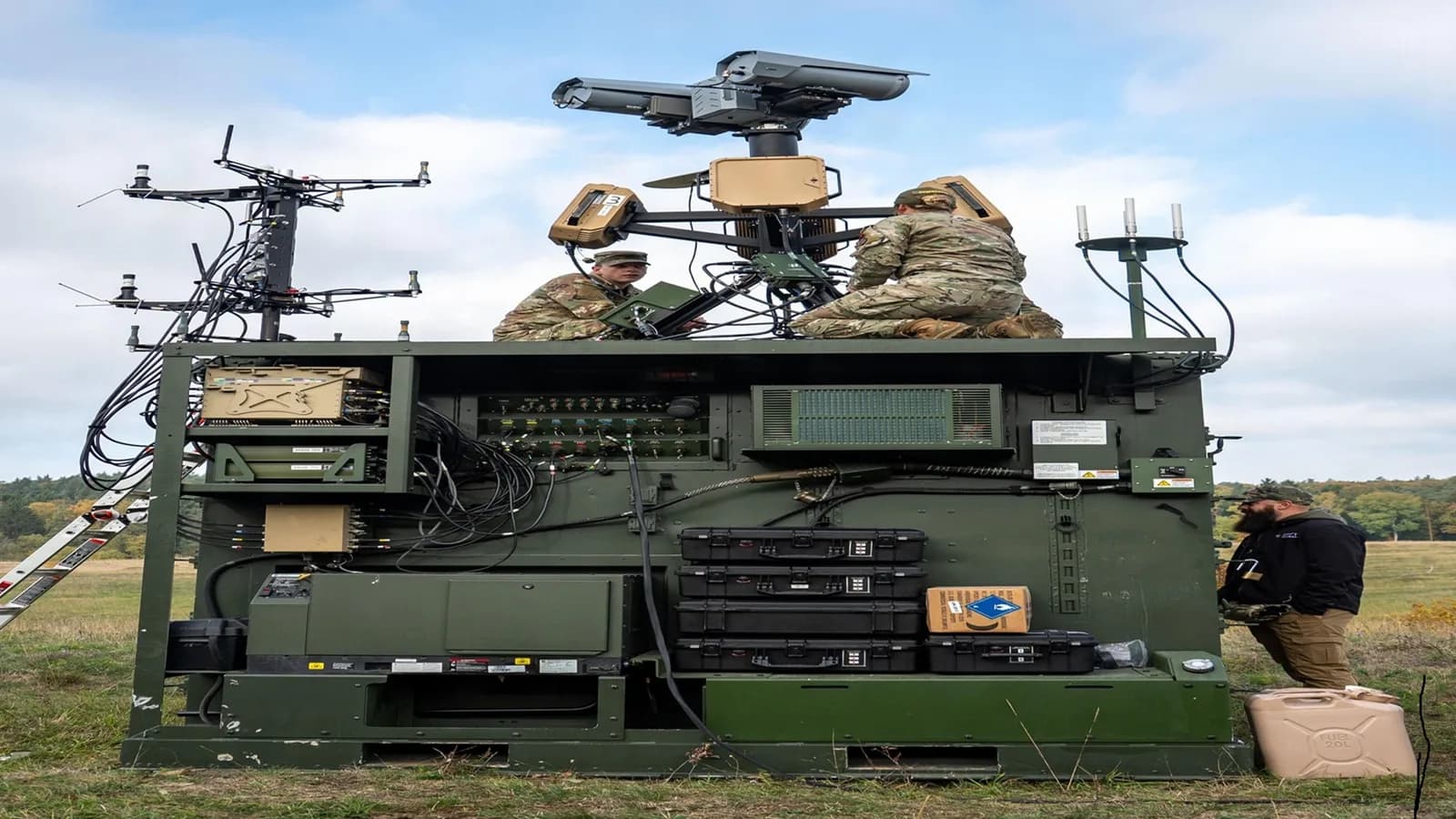
The Department of War said Nov. 4 that its office for unmanned systems has delivered more than 25,000 drones, boats and counter-drone systems to U.S. Central Command this year, at a cost of about $782 million. Central Command covers U.S. military operations across the Middle East and parts of Central and South Asia.
The office, called DRPM-UxS, says it was created to cut through red tape and field low-cost, mass-produced systems faster. Unmanned systems are aircraft, ships and submarines that run without a crew aboard.
By the department’s count, most of the total is defensive. More than 24,000 are counter-drone systems, which detect and stop hostile drones, delivered through a unit called Joint Interagency Task Force 401. The rest are over 1,300 one-way attack drones, built to hit a target and be destroyed, and more than 100 surface and underwater vessels for reconnaissance and strikes at sea.
A cheaper way to buy mass
In its press release, the department said the low-cost systems, which are cheap enough to lose, are high-volume alternatives to older multimillion-dollar munitions. It claims that shifts the cost-exchange ratio, the balance between what an attacker and a defender spend, in favor of the United States.
Owen West, CEO of Project Agincourt and DRPM-UxS, said the aim is to equip U.S. forces with “decisive, affordable mass.” He said the goal is to scale these capabilities across the joint force, and that the thousands of systems operating in the region this year are only a start.
The department said the deliveries mark a move from multiyear development pipelines to a faster buying model. It also said it is scaling commercial production lines and using modular software baselines, a term the release does not define. The release calls this a restructuring of defense procurement and the foundation for a planned Autonomous Warfare Command, a four-star command due by Oct. 1, 2027.
What the release leaves out
The release comes from the department itself. Based on the release’s minimum counts, counter-drone systems make up roughly 94 percent of the total, so the headline figure says little about offensive weapons.
It doesn’t say how many systems have been used or how well they worked. It also doesn’t name the companies that built them or break down the $782 million by system type. Divided evenly, that money works out to roughly $31,000 per system, but the mix of drones, boats and counter-drone gear means that isn’t a real unit price. The department’s cost-exchange claim is its own framing, and the release offers no data to back it.
The release also gives no dates for individual deliveries, so it is unclear how the total was spread across the year. It does not mention outside review of the program.
The release said DRPM-UxS will keep sending systems to Central Command at Secretary Hegseth’s direction while it expands fielding to Pacific Command, European Command and the rest of the joint force. The release doesn’t say when that expansion would start or what it would cost.
Source: https://interestingengineering.com/military/us-unmanned-systemscentral-command
Get the latest news delivered to your inbox.
Related articles