
US’ remotely piloted aircraft that can operate at 40,000 feet for 30 hours tested
The U.S. Navy recently tested its long-endurance, medium-altitude remotely piloted aircraft system. Developed by General...
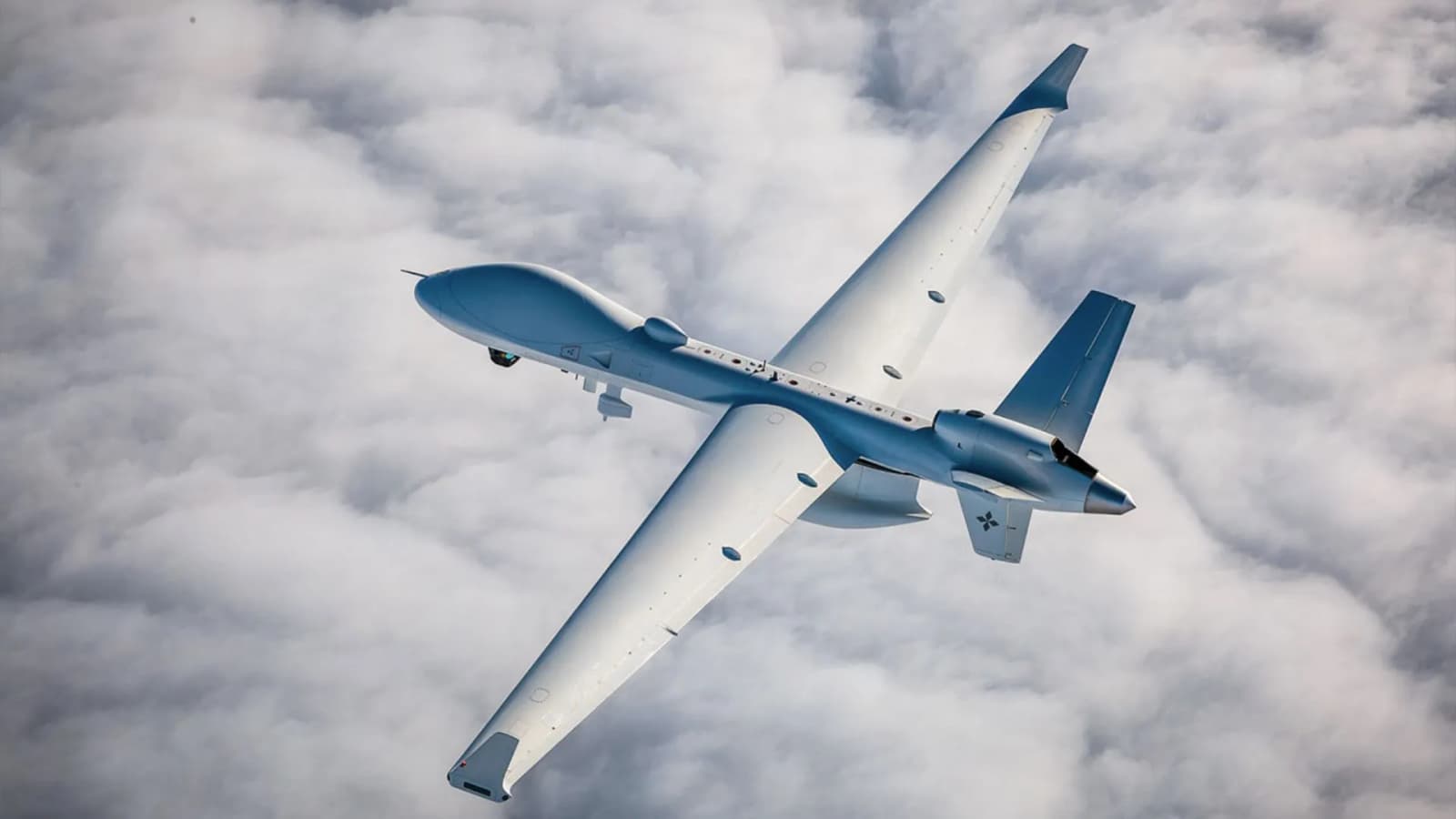
The U.S. Navy recently tested its long-endurance, medium-altitude remotely piloted aircraft system. Developed by General Atomics Aeronautical Systems (GA-ASI), the MQ-9B SeaGuardian’s performance was evaluated at the Maritime Patrol and Reconnaissance Force (MPRF) Commander’s Operational Group (COG).
SeaGuardian is the maritime variant of the MQ-9B Uncrewed Aircraft System (UAS) operated by the USN as part of a Company-Owned, Company-Operated (COCO) contract with GA-ASI supporting an ongoing capability assessment for the 7th Fleet.
U.S. Navy evaluating MQ-9B SeaGuardian as a potential ‘force multiplier’
“We’re always thrilled to have our Navy customer showcase our SeaGuardian at these Navy Tactical Symposiums,” said GA-ASI Vice President of DoD Strategic Development Patrick Shortsleeve.
“Whidbey Island is a great place to display SeaGuardian alongside the P-8A Poseidon for MPRF professionals to help illustrate that this future focused capability is here now and ready for employment.”
The U.S. Navy has been evaluating the MQ-9B SeaGuardian as a potential MPRF “force multiplier” for a multitude of missions. Whidbey Island has been a base for MQ-9B SeaGuardian’s mission capabilities as part of various Navy exercises, including Northern Edge and Integrated Battle Problem, and has supported the aircraft carrier pre-deployment workups, according to a press release.
The COG brings together MPRF senior leaders, tacticians, and industry partners to discuss cutting-edge naval aviation capabilities and review Anti-Submarine Warfare (ASW) operational Tactics, Techniques, and Procedures (TTPs) currently employed throughout the Fleet. At the request of the Commander, Patrol and Reconnaissance Group, GA-ASI provided its MQ-9B SeaGuardian to give attendees an up-close look at a maritime-optimized Group 5 remotely piloted aircraft system (RPAS) currently being employed by the USN and several foreign partners. SeaGuardian was also part of the 2025 Whidbey Island Open House, as per the release.
Aircraft is suited to Maritime Domain Awareness
The aircraft is particularly suited to Maritime Domain Awareness (MDA), maritime surveillance, anti-surface warfare (ASuW), and anti-submarine warfare (ASW) missions. It can also support search-and-rescue, disaster-relief, and maritime law-enforcement operations.
The MQ-9B SeaGuardian has a wingspan of approximately 24 metres (79 feet), a length of about 11.7 metres (38 feet), and a maximum take-off weight of approximately 5,670 kg (12,500 lb). It is powered by a Honeywell TPE331-10 turboprop engine and can operate at altitudes above 40,000 feet. The aircraft has an endurance of more than 30 hours, depending on its configuration and mission profile, and can achieve a maximum speed of approximately 210 knots. Its long endurance and satellite-based beyond-line-of-sight communications allow it to monitor maritime areas for extended periods.
SeaGuardian is designed to fly over the horizon via satellite for over 30 hours (depending on configuration) in all types of weather and safely integrate into civil airspace, enabling joint forces and civil authorities to deliver real-time situational awareness anywhere in the maritime domain—day or night. This highly versatile maritime patrol and reconnaissance aircraft can seamlessly integrate a centerline wide-area maritime radar, an automatic identification system, electronic support measures, and a self-contained anti-submarine warfare (ASW) mission kit. SeaGuardian not only integrates the most advanced maritime intelligence, surveillance, and reconnaissance (ISR) capabilities, but it is also the first RPAS in its class to enable real-time search and patrol above and below the ocean’s surface.
Source: https://interestingengineering.com/military/us-unmanned-aircraft-40000-feet-tested
Related articles
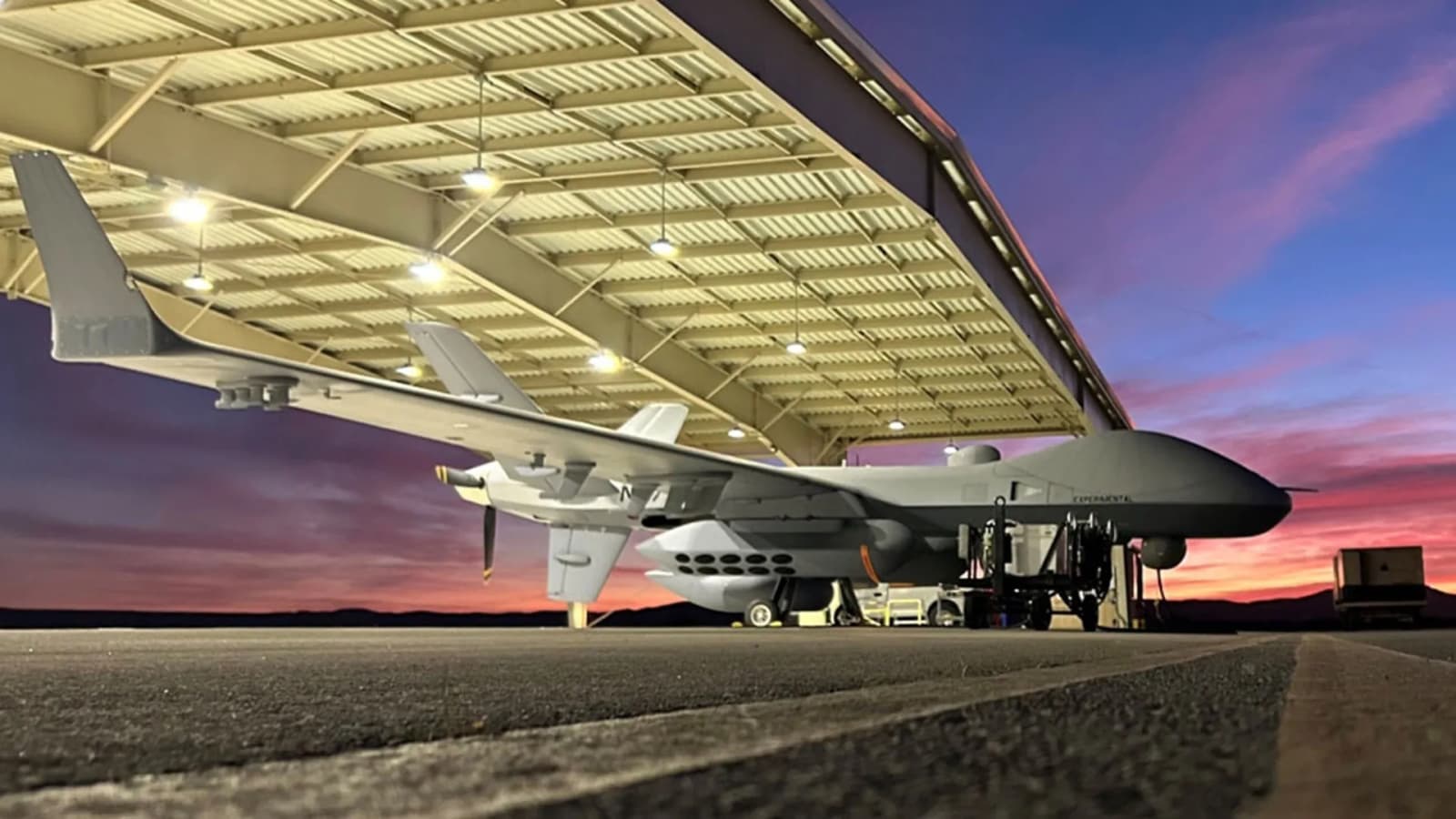
US Navy weighs MQ-9B SeaGuardian drone as maritime patrol force multiplier
The U.S. Navy recently evaluated General Atomics’ MQ-9B SeaGuardian drone at a tactical symposium held...

Frontline Robotics unveils Frodo, its new 6×6 UGV with 93-mile range and 25 mph top speed
Ukrainian defense company Frontline Robotics has unveiled Frodo, a universal 6×6 unmanned ground vehicle built...

Pewdiepie builds smaller, local AJAX AI model after OpenAI ban controversy
YouTube creator Felix Kjellberg, better known as PewDiePie, has unveiled Ajax, a small language model...

Pentagon backs Supra Technology to recover high-purity Scandium in U.S.
Supra Elemental Recovery, an Austin-based firm, has received the U.S. Department of Defense (DoD) contract...

Capcom is preparing for a ‘future where we create games together with AI’
Capcom's Pragmata might be all about the horrors of AI, but in practice the studio doesn't seem so down on the tech.
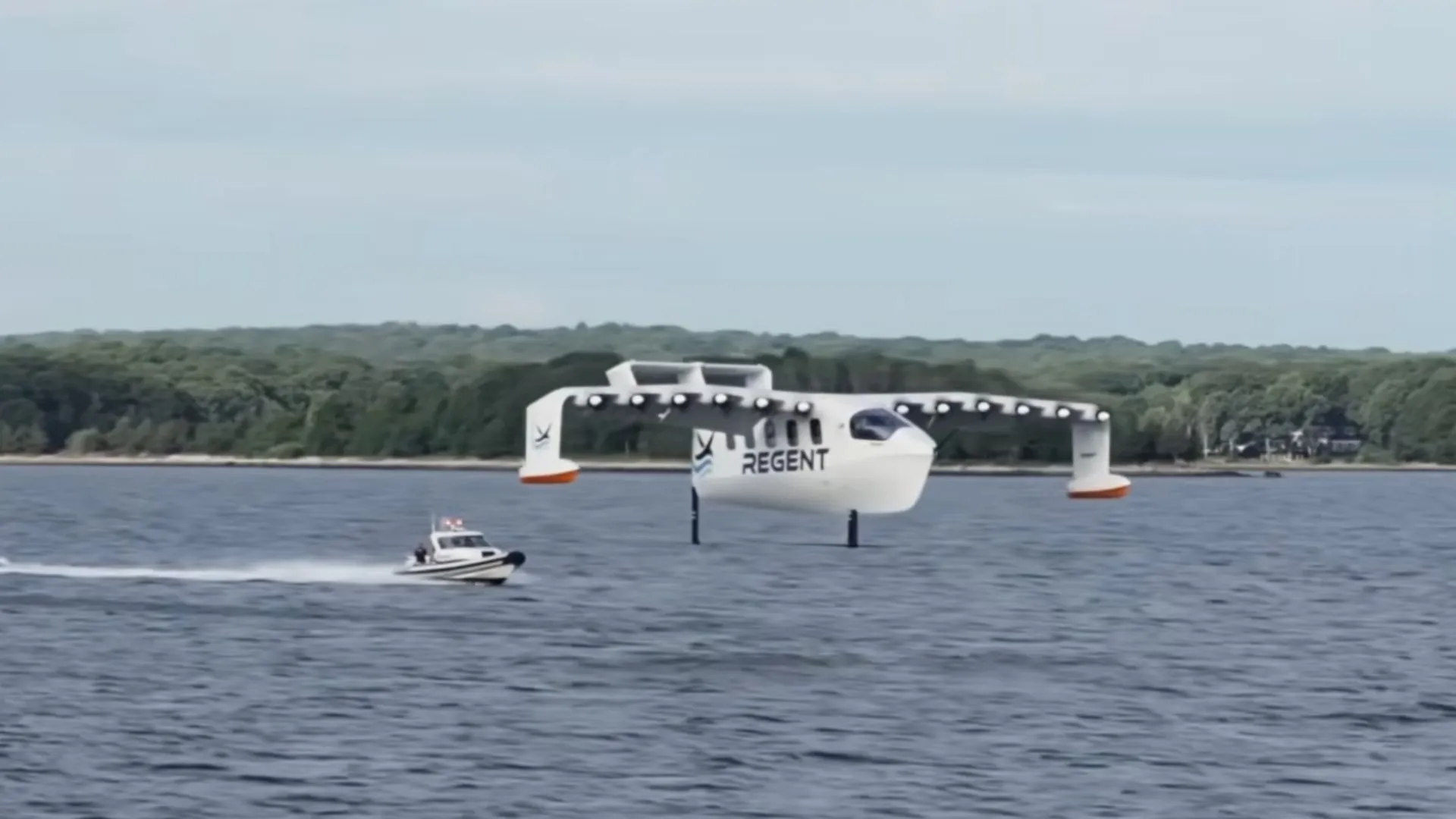
180 mph over water: US Seaglider program advances toward operational demonstrations
The US Marine Corps Warfighting Lab has expanded its collaboration with electric Seaglider developer REGENT...