
Vinod Khosla bets on ex-DeepMind engineer’s Wajo to win the agent race on trust
As Muse, Dots and Instinct crowd the personal-agent market, investor Vinod Khosla argues Shivani Poddar’s Wajo Fo agent is architected for trust and safety from day one.
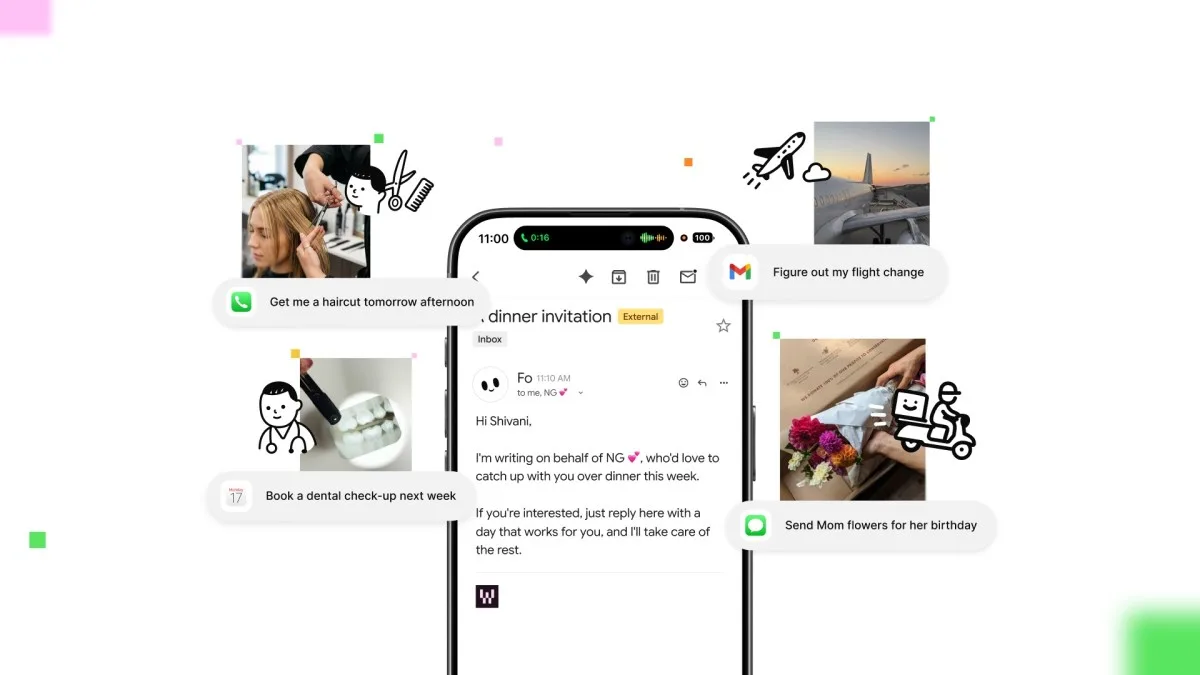
The personal-agent market has crowded quickly with Meta’s Muse, OpenAI’s Dots and Instinct. Investor Vinod Khosla is betting on Wajo, founded by former Google and DeepMind engineer Shivani Poddar, for a simpler reason: trust.
“I think the most important thing in an agent, because it’s acting for you, is trust,” Khosla told TechCrunch. He argued Wajo is more trustworthy than Muse or Instinct because it is architected around trust and safety first — and because many users do not want to hand intimate data to an advertising giant like Meta.
Wajo’s Fo agent works across iMessage and WhatsApp plus a web interface that organizes errands into categories such as scheduling, gifting and life admin. It can call businesses, create a virtual credit card that hides user details, maintain its own email identity, and hire a human when needed. Wajo said the product is already used in 107 countries and has grown 10× since a late-September launch, without disclosing absolute user counts.
Poddar, who previously worked on Facebook’s assistant and on Gemini safety, said trust must be built from day zero because agents still cannot reliably “unlearn” personal data once they have it. Wajo has applied for a patent on its virtual-card system, plans trusted-contact lists for outbound calls, and lets recipients block future agent calls. Backing from figures including Jeff Dean and Gokul Rajaram underscores how privacy-first design is becoming a competitive wedge as personal agents move from novelty to daily infrastructure.
Source: TechCrunch
Related articles

Arturia adds proper sound design tools to its AstroLab synths
Arturia's AstroLab series was already amongst the best stage keyboards out there.

The stylish Nothing Headphone 1 are cheaper than ever
There’s no denying that Nothing knows how to make eye-catching headphones.

Meta and Microsoft curb Claude use as Anthropic prepares for a blockbuster IPO
Reports say Meta halved Claude Code users and Microsoft cut employee AI spending caps from about $100,000 to $10,000 a month, testing Anthropic’s growth just as IPO scrutiny rises.

South Korea plans $3.5 billion frontier AI model program from 2027
Seoul’s science ministry outlined a 4.7 trillion-won ($3.5 billion) equity-backed push to build a frontier AI model starting as early as March 2027, alongside a separate industrial-deployment track.

OpenAI, Anthropic, Google and Meta testify under oath at NYC Council AI hearing
New York City Council leaders put frontier AI labs under oath on rogue-agent risks and local bills that could require third-party validation and human shut-down switches.

Reflection AI debuts Beam to challenge Chinese open models at lower compute cost
Brooklyn-based Reflection AI unveiled Beam, its first frontier open-weight model, claiming parity with leading Chinese open systems on reasoning benchmarks while using far less inference compute.