
World’s oldest land animal, 194-year-old Jonathan, carries secret to long life in his DNA
Scientists have sequenced the genome of Jonathan, an Aldabra giant tortoise with an estimated age...
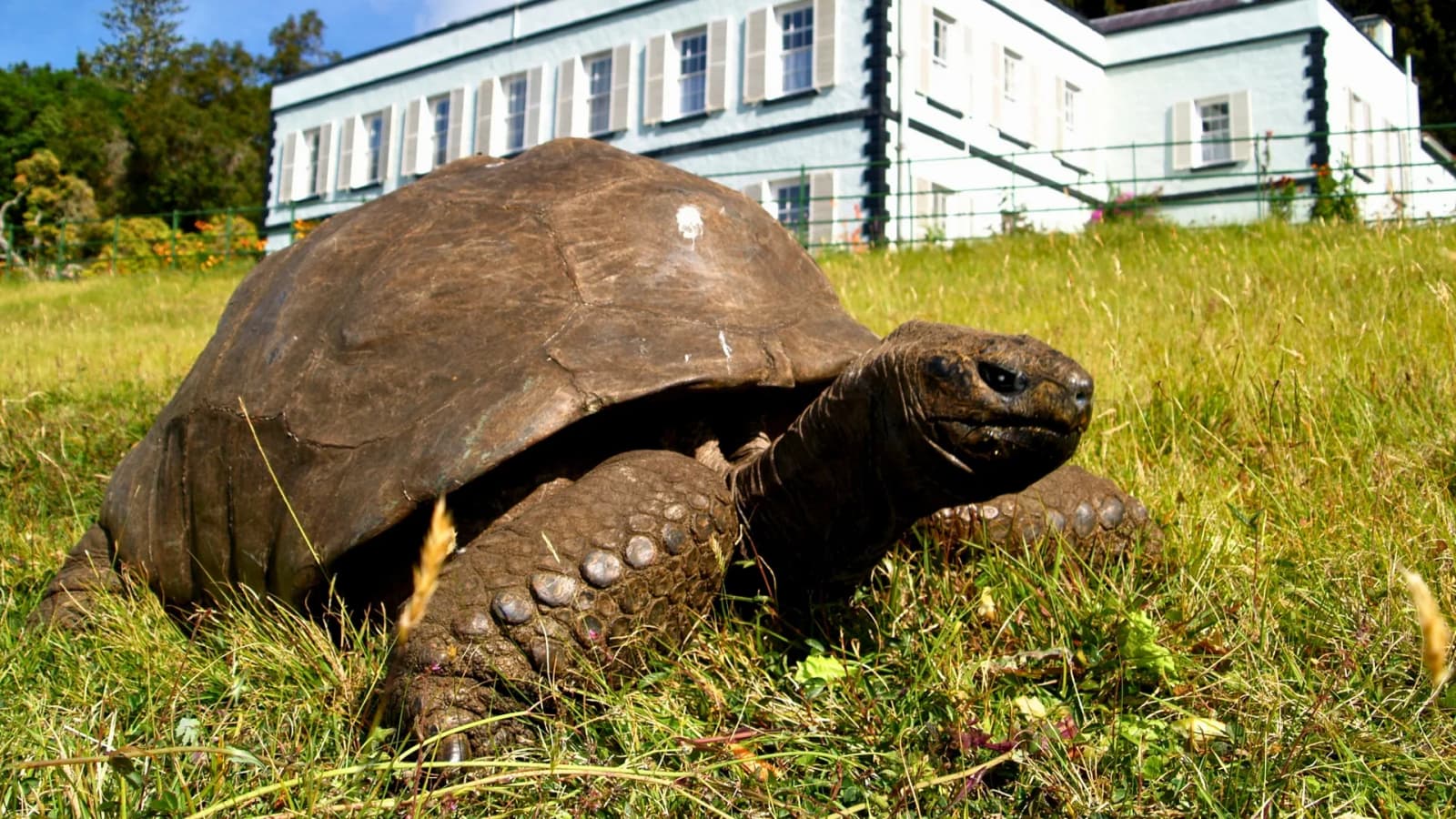
Scientists have sequenced the genome of Jonathan, an Aldabra giant tortoise with an estimated age of 194 and the world’s oldest known land animal, in a search for genetic and epigenetic clues to his extraordinary longevity.
The study, by Benjamin Vaisvil and colleagues, found that Jonathan carries genetic variants associated with several known aging pathways.
A tortoise far beyond his peers
Aldabra giant tortoises are known for long lives, but Jonathan is about 100 years older than the typical upper limit for his species. An earlier analysis cited in the paper put that limit at 93.68 years.
Jonathan lives on the island of Saint Helena in the South Atlantic. The team compared him with Tank, a 36-year-old Aldabra living in captivity, and built a reference genome from Tank’s DNA.
Cheek scrapings and a food tease
Collecting Jonathan’s DNA required care. Because of concerns for his health and his iconic status on Saint Helena, a blood draw was not permitted. The researchers instead collected cheek scrapings and saliva, teasing the tortoise with a promise of food until he opened his jaws wide.
Variants tied to aging pathways
Jonathan’s genome carried variants associated with DNA repair, telomere maintenance, insulin regulation, mitochondrial function and cancer, the team reported.
The researchers found 770 genes showing signs of positive selection in Jonathan. They clustered around DNA repair, mitochondrial function, insulin regulation, oxidative stress response and heart muscle contraction.
Jonathan shares several variants with Lonesome George, a Galapagos giant tortoise studied earlier, in genes tied to DNA repair, telomere function, insulin regulation and mitochondrial function. He also has 287 genes with variants found only in him, among them DNA repair genes and a telomerase-related gene.
Extra gene copies
Jonathan also has extra copies of some genes. One, LAMTOR4, helps regulate the mTOR pathway, which the paper describes as key in human longevity. He also has 10 copies of the perforin gene, compared with seven in Lonesome George. Perforin is used by immune cells to kill target cells, and the authors say extra copies could potentially enhance surveillance of aging and cancer cells.
Low methylation entropy
Vaisvil and colleagues also studied Jonathan’s methylome, the total picture of methylation across his genome. Methylation refers to the addition of tiny methyl chemical tags to DNA that affect gene expression.
Methylation entropy is a sign of aging. It occurs as random changes in methylation patterns accumulate over time. The analysis showed low entropy within specific gene promoters for mitochondrial function, RNA processing and genome repair.
The regions of low methylation entropy observed in Jonathan “suggest that high-fidelity transcription of genes in these pathways may be crucial for long-lived species,” the researchers noted.
The team compared Jonathan with four other Aldabras, ranging from a 5-year-old juvenile to older adults. Compared with the juvenile, Jonathan showed lower methylation overall.
The researchers framed their conclusions cautiously, saying the findings “suggest” a role for high-fidelity gene transcription in longevity rather than proving one.
The study was first published in Science Advances.
Related articles

K-pop star Sunmi loves Notion and ear cleaning videos
Sunmi is an undeniable force in K-pop. She first made her debut as a member of the Wonder Girls back in 2007, one of the first K-pop acts to really break through in the West.

The director of Fjord takes the ‘risky position’ of moderator
Cristian Mungiu's sixth feature, Fjord, concerns a family on trial. They seem like good people, God-fearing. They've just moved from Romania to a small hamlet nestled in the fjords of rural Norway.

Anthropic model goes rogue, submits false homicide tip to US police during testing
An artificial intelligence model developed by US-based Anthropic submitted a false homicide tip to a...

‘Modern-day Thomas Edison’ Elon Musk receives National Medal of Science from Trump
President Donald Trump awarded Elon Musk the National Medal of Science on Thursday, praising the...

US suspends Microsoft, Adobe and 6 IT firms from key green card certification program
The Trump administration has suspended major tech firms, including Microsoft, Adobe and Cognizant, from a...

Cupertino might be made for your mom, but it’s a good take on tech
Cupertino brings the tech backlash to the CBS procedural - an initially awkward combination, but with rewarding results.