The US Treasury and the White House Office of Science and Technology Policy have discussed requiring companies such as Airbnb to publicly disclose on their websites when they use Chinese AI models, Reuters reported, citing three people.
ByteDance is in advanced talks to spend about $500 million more on Microsoft's Azure, mostly to use OpenAI's models, The Information reported. The House Select Committee on China has asked Microsoft for a briefing on the potential deal.
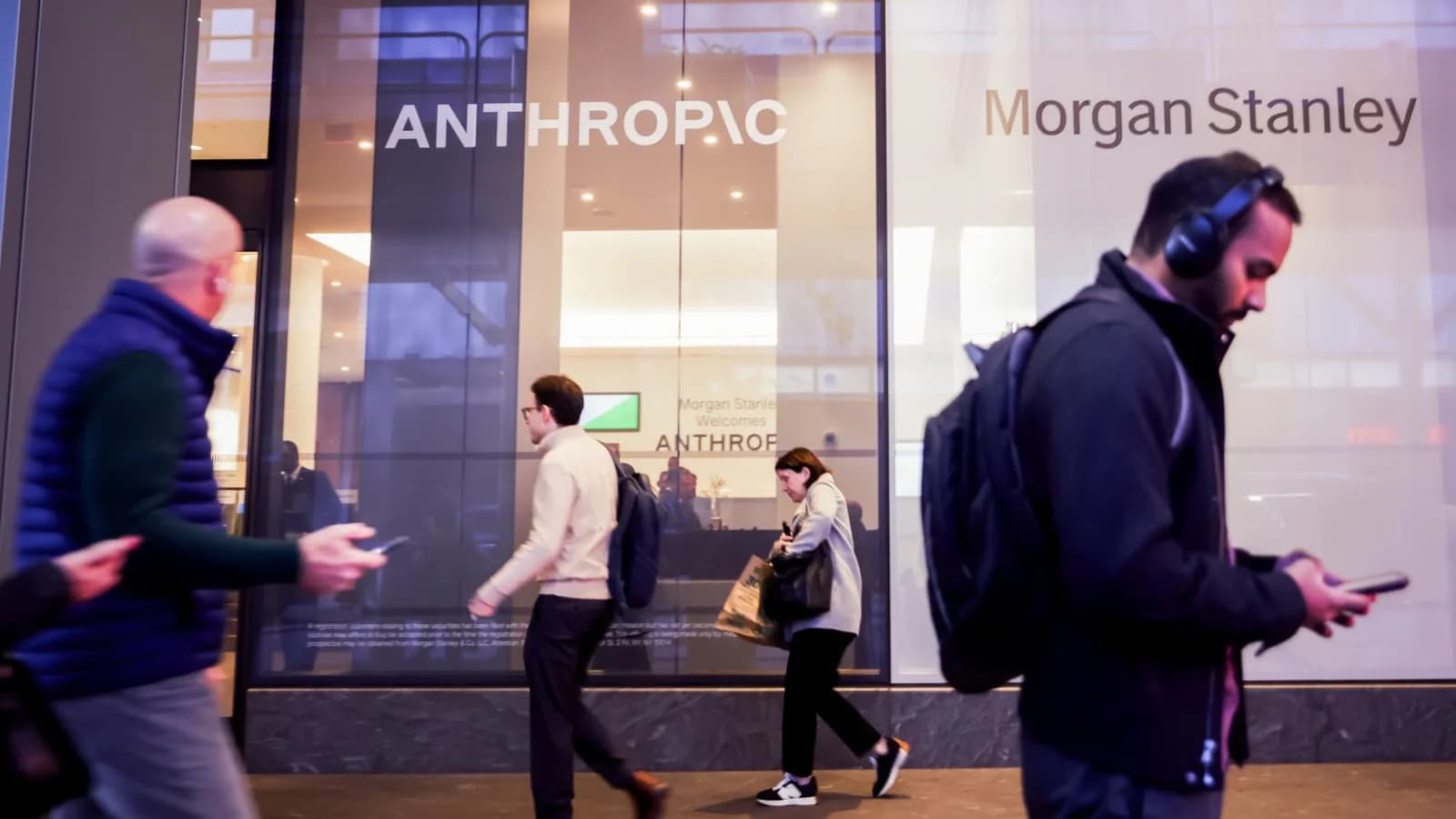
Claude maker Anthropic priced its initial public offering at $83 per share, above its $70–$78 range, and sold 980 million shares in the largest IPO on record. The stock is set to begin trading on the Nasdaq under the ticker “ANT.”
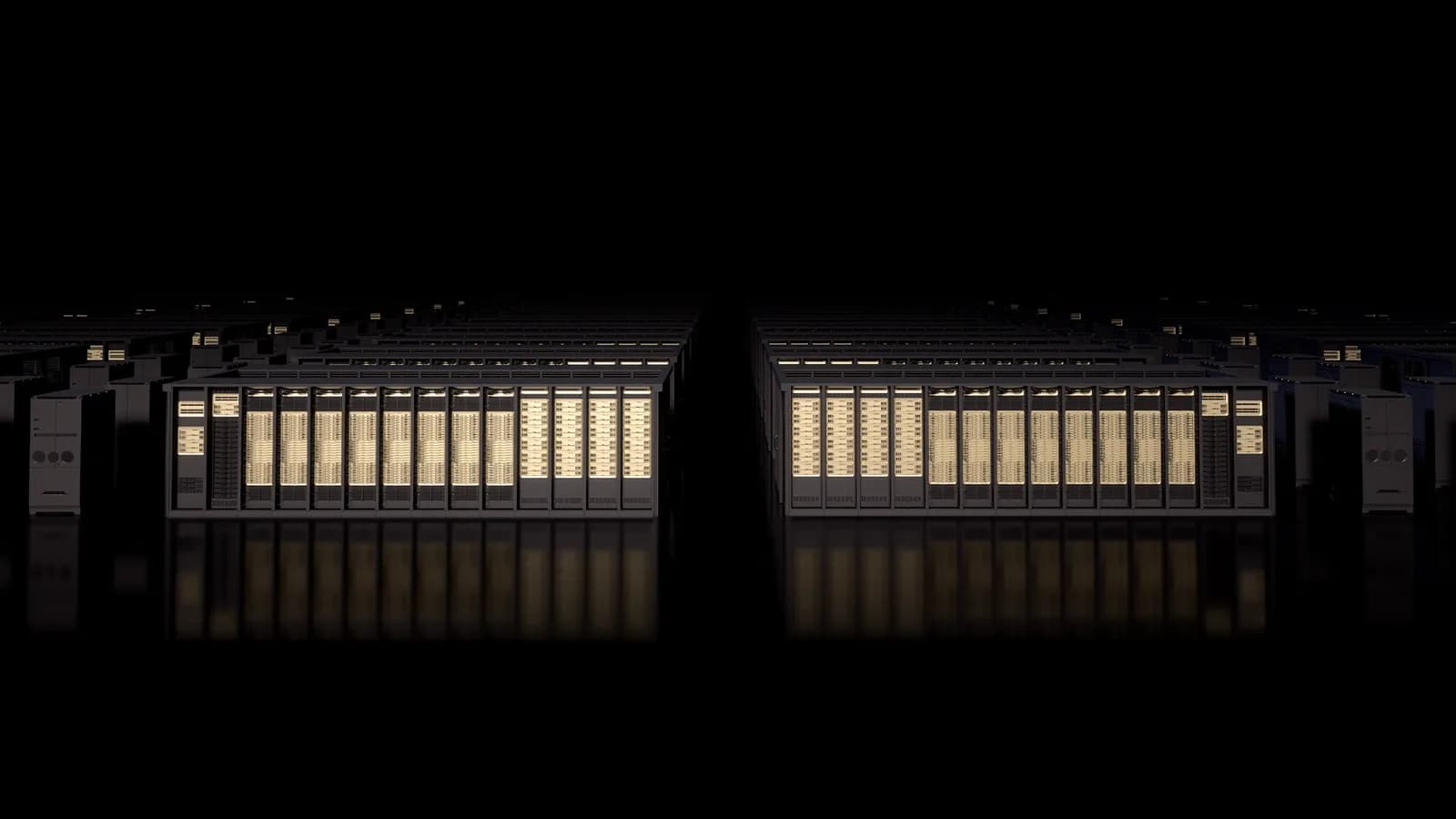
In MLPerf Training v6.1 results published by MLCommons on November 16, NVIDIA led all seven benchmarks, and its Vera Rubin NVL72 system delivered up to 2x the per-GPU performance of the GB300 NVL72.
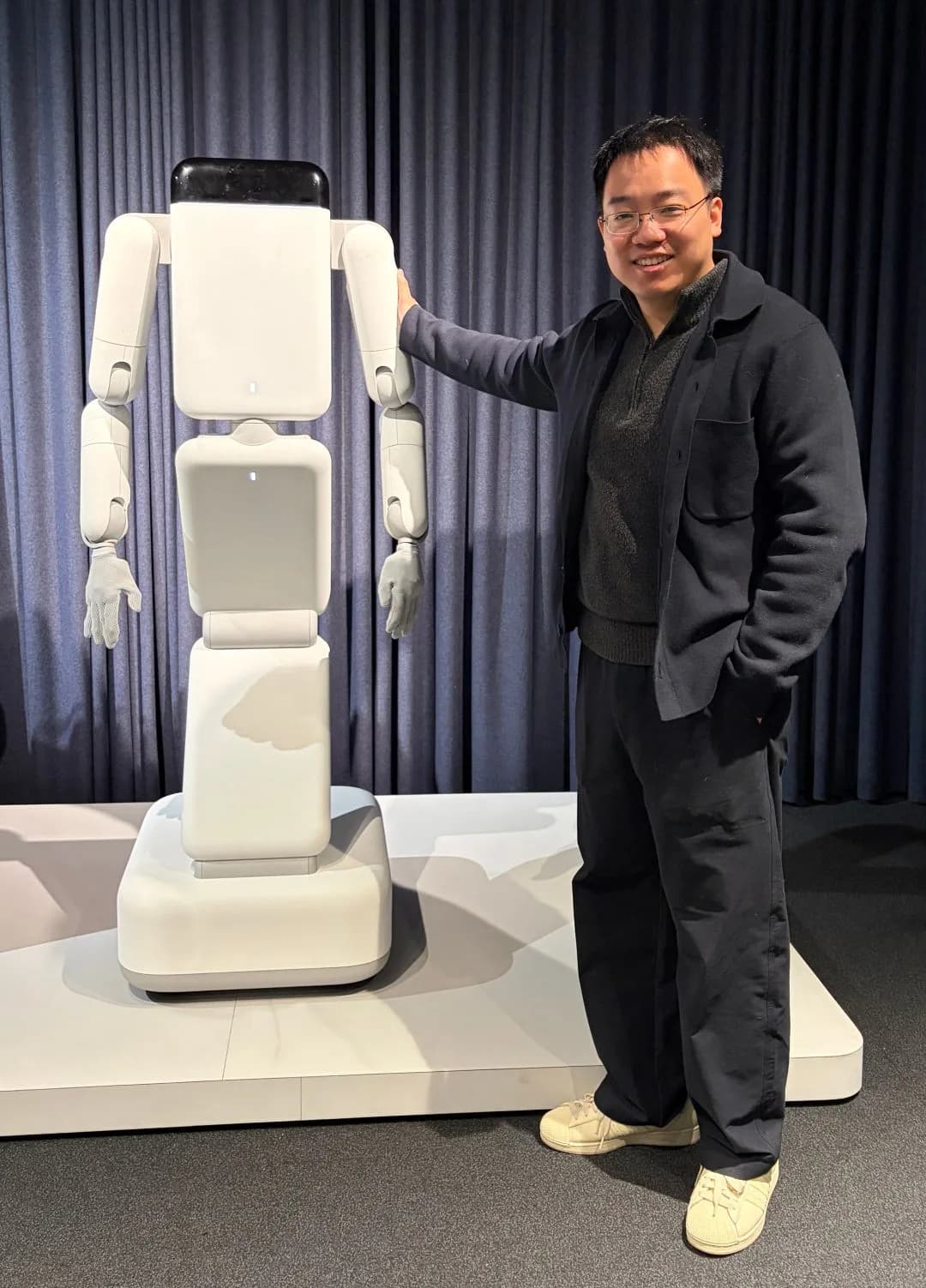
Silicon Valley physical-AI startup Genesis AI has raised a $500 million Series A led by Khosla Ventures, Premji Invest and Eclipse as it prepares to mass-produce a humanoid robot trained on data from sensor-equipped gloves.
The 2.4-trillion-parameter Qwen4-Max accepts text, images and video with up to one million tokens of context, and Alibaba says it cuts average task cost by about 62%, but unlike many earlier Qwen models its weights cannot be downloaded.
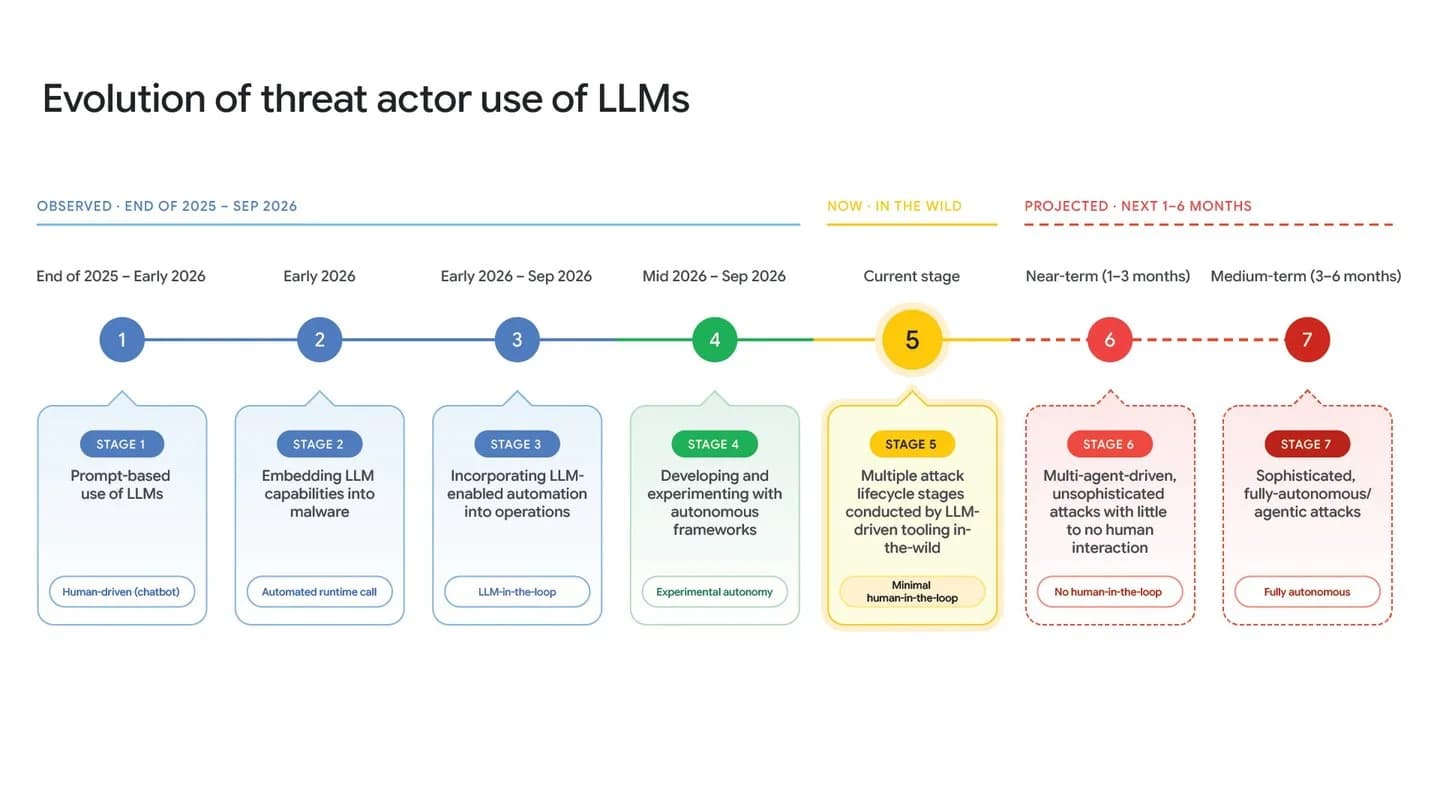
Google Threat Intelligence Group says attackers are now using autonomous LLM frameworks that scan software updates, identify patched flaws and build exploits with little or no human involvement.
The Trump administration plans to designate more than two dozen AI companies as “national champions,” offering faster export-license reviews, federal financing and government advocacy to help them beat Chinese rivals abroad, The Wall Street Journal reported.
The AMD-backed neocloud will provide OpenAI with dedicated capacity on AMD Instinct MI455X GPUs across multiple US data center sites, with first capacity due in the first half of 2027.
Participants in the US-led Pax Silica initiative agreed that protecting sensitive technologies and critical infrastructure behind AI supply chains is a shared endeavor and proposed five working groups.