10 of the world’s largest underground lakes hidden beneath ice and rock
Lake Vostok in Antarctica is the largest underground lake in the world when lakes beneath...
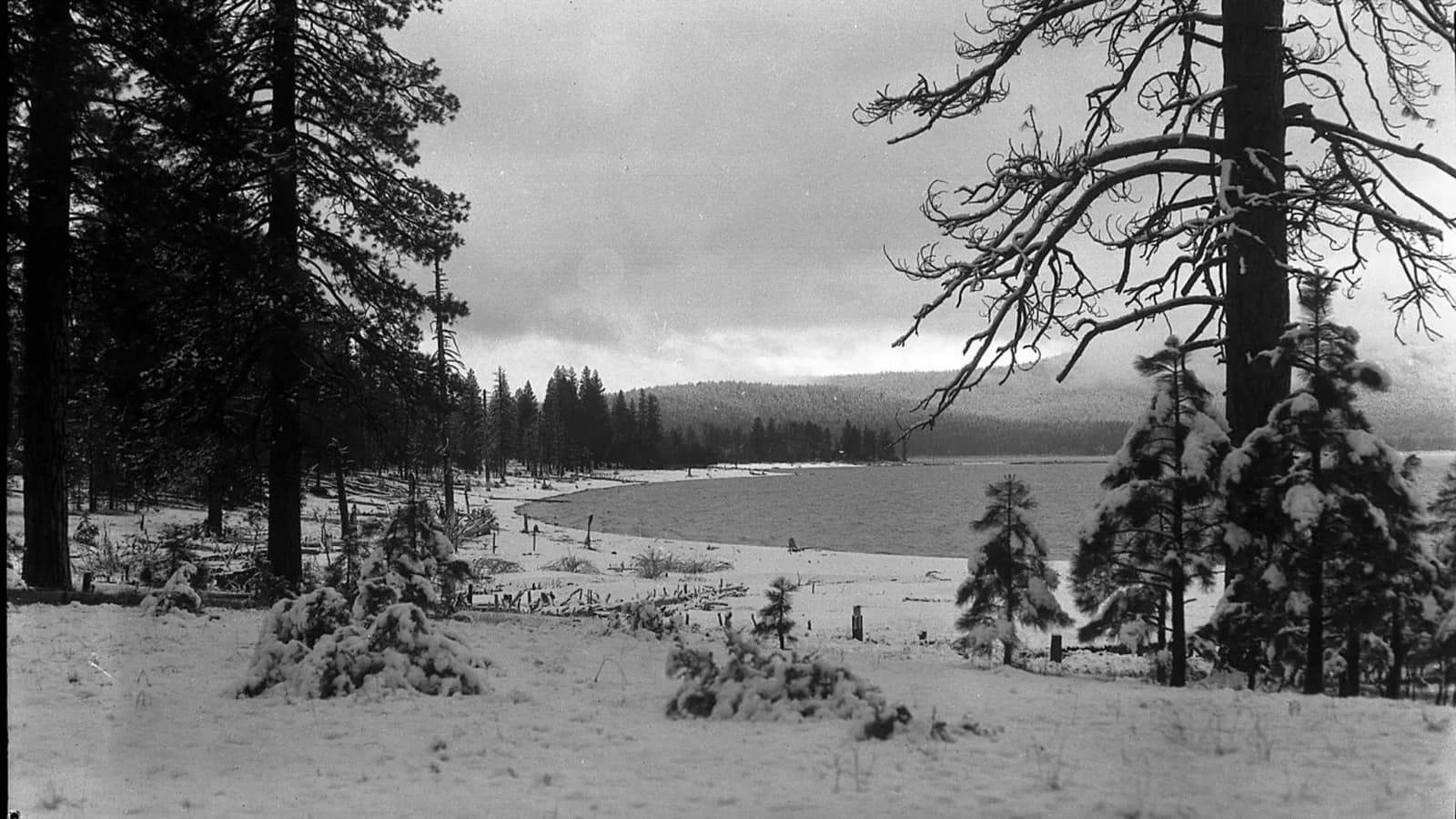
Lake Vostok in Antarctica is the largest underground lake in the world when lakes beneath ice are included. It covers roughly 5,400 square miles and lies beneath about 2.5 miles of ice.
Among natural cave lakes, Namibia’s Dragon’s Breath Cave holds the commonly cited record for exposed water surface. The ten lakes below are listed by reported surface area within two groups, with five beneath ice and five inside caves.
1. Lake Vostok, East Antarctica
Lake Vostok lies beneath Russia’s Vostok research station, deep in the interior of the East Antarctic Ice Sheet. Airborne radar and satellite measurements helped scientists determine how far the freshwater lake extends beneath the ice.
In February 2012, a Russian drilling team reached the lake at a depth of about 12,360 feet. Water rose about 100 to 130 feet into the borehole before freezing, allowing the team to retrieve samples the following year.
2. 90°E Lake, East Antarctica
Named for its location near the 90th meridian east, this lake covers an estimated 770 square miles. It stretches roughly 76 miles from north to south and narrows toward both ends.
Researchers traced its outline by looking for subtle changes in elevation on the ice above it. They combined those satellite observations with ice-penetrating radar, which picked up a bright reflection along the boundary between the ice and the water.
3. Sovetskaya Lake, East Antarctica
Sovetskaya Lake covers an estimated 620 square miles beneath more than 2 miles of ice. It takes its name from the former Soviet research station above it and sits southwest of 90°E Lake.
Early airborne radar surveys picked up signs of water in the area in the late 1960s. Decades later, researchers used radar and satellite data to trace the lake’s edges and estimate its surface area.
4. Lake Concordia, East Antarctica
Lake Concordia lies beneath about 2.5 miles of ice near Dome C, a broad rise on the East Antarctic plateau. Published estimates put its surface area between roughly 238 and 309 square miles.
The lower estimate came from a study that used airborne gravity measurements to model the lake’s shape. The same study estimated that the water is about 413 feet deep at its deepest point.
5. Lake Snow Eagle, East Antarctica
Lake Snow Eagle stretches about 26 miles through a buried canyon in Princess Elizabeth Land. Researchers confirmed its existence in 2022 and estimated that it covers about 143 square miles.
The team found evidence of waterlogged sediment on and around the lake bed. Those deposits could preserve clues to how the East Antarctic Ice Sheet formed and how it responded to past changes in climate.
6. Dragon’s Breath Cave lake, Namibia
The lake inside Namibia’s Dragon’s Breath Cave covers roughly 280,000 square feet, according to a report on its 2019 survey. The water surface begins about 200 feet below the cave entrance.
An underwater robot used sonar to map the lake and follow a passage extending from the main chamber. It reached a point about 673 feet below the water surface, or 866 feet below the entrance.
7. The Lost Sea, Tennessee, United States
The Lost Sea, America’s largest underground lake, lies inside Craighead Caverns near Sweetwater, Tennessee. Its visible surface covers about 4.5 acres, or 196,000 square feet, in the main chamber.
Divers have mapped more than 13 acres of water across the caverns, including areas beyond the visible lake surface. The full extent remains unknown. Visitors can take a boat across the main chamber.
8. Saint-Léonard Underground Lake, Switzerland
Saint-Léonard stretches for about 985 feet underneath a hillside between Sion and Sierre in Switzerland’s Valais region. Its surface covers roughly 64,600 square feet, making it Europe’s largest natural, navigable underground lake, according to the site operator.
The lake sits about 100 to 230 feet below the vineyards above it. Speleologist Jean-Jacques Pittard documented the cave in 1943, and the lake opened to visitors six years later.
9. Melissani Cave lake, Greece
On the Greek island of Kefalonia, Melissani Cave holds a brackish lake beneath a partially collapsed roof. The main chamber contains roughly 46,300 square feet of water, based on a wetland inventory that identifies about a third of the chamber as dry land.
The opening in the roof lets daylight reach part of the lake, while the water continues into the cave beyond it. In places, the lake reaches a depth of about 130 feet.
10. Lake Neuron, Albania
Lake Neuron sits at the bottom of Atmos Cave in southern Albania and is the largest known underground thermal lake. Czech researchers mapped about 34,500 square feet of water and measured its temperature at 79 degrees Fahrenheit.
The team used lidar to map the cave and sonar to measure the shape and depth of the lake bed. A dye test also traced water from the lake to nearly every thermal spring in the valley.
Conclusion
Underground lakes can fill a single cave chamber or spread across thousands of square miles beneath an ice sheet. Some are close enough to the surface to explore by boat, while others remain so far out of reach that scientists map them from the air.
Studying these lakes can reveal what’s happening far beyond their shores. Their waters can trace hidden connections between caves and springs, while sediments on their beds may hold a record of how entire ice sheets formed and changed.
Source: https://interestingengineering.com/culture/10-of-the-worlds-largest-underground-lakes
Get the latest news delivered to your inbox.
Related articles