Old systems and rushed patching, not a cyberattack, behind US outages, experts say
A run of tech failures across the United States has grounded flights, knocked out ATMs,...
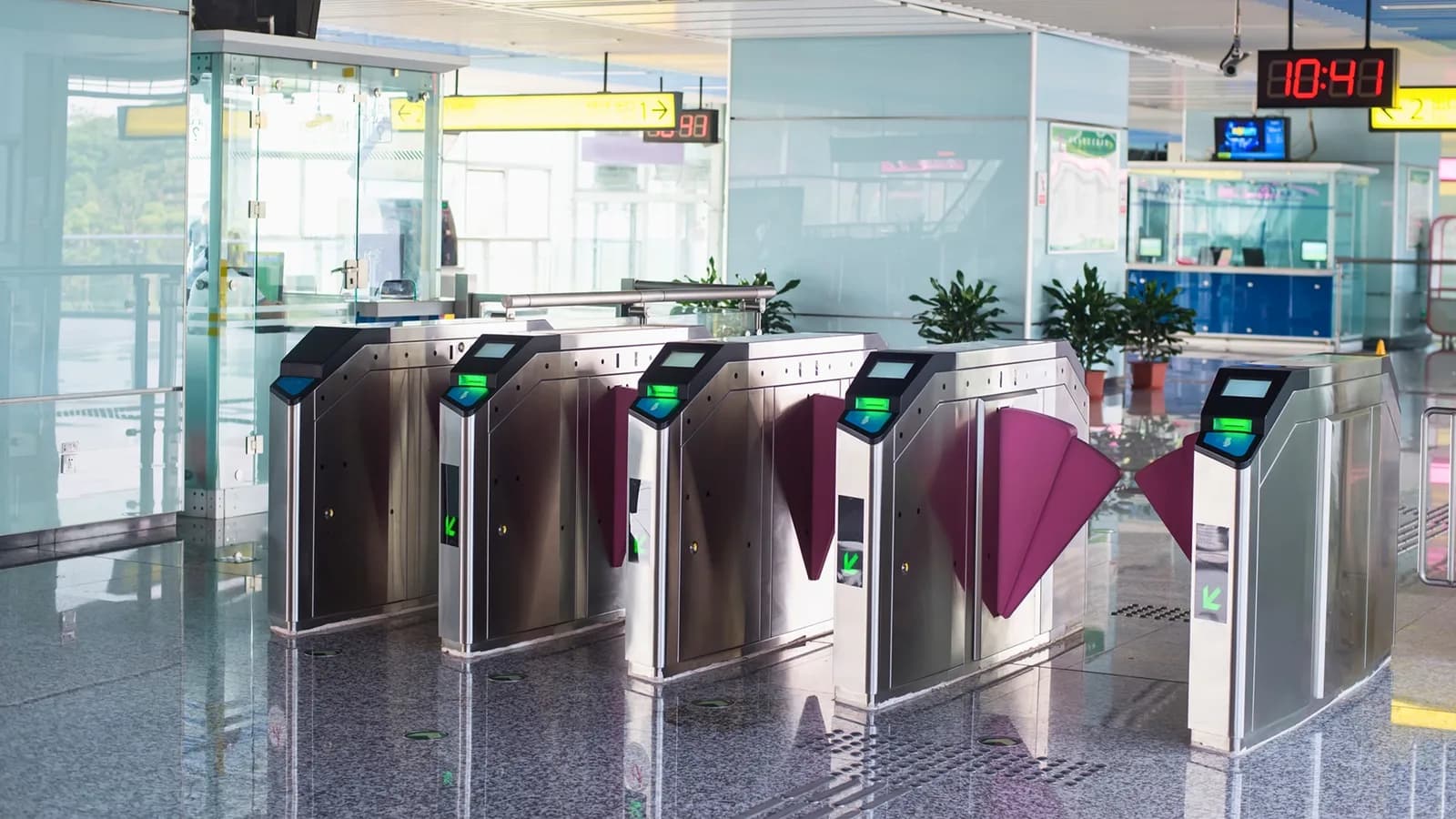
A run of tech failures across the United States has grounded flights, knocked out ATMs, and cut off access to Outlook email and Apple iCloud photos. Experts say the main causes are old, overly complicated systems and a rush to shield them from new threats created by artificial intelligence.
Officials rule out attack
Secretary of State Marco Rubio took time out of a foreign trip Wednesday to say there is no proof the problems were connected and no sign of a cyberattack. U.S. intelligence chief Jay Clayton later echoed those remarks.
Almost all of the outages traced back to routine maintenance work or to software errors known as bugs. Chase, for example, blamed a bug in an on-premises hardware system and ruled out an attack, according to earlier reporting.
Earlier reporting tallied a nationwide FAA flight halt Nov. 13 after a telecommunications failure and outages at major banks Nov. 16. A United Airlines departure outage delayed 418 flights, and Apple services went down Nov. 17. No connection among them has been established.
Patching at AI speed
Sen. Mark Warner, a top Democrat on the Senate Intelligence Committee, said powerful AI tools can now find weak spots in computer systems faster than ever. That creates “enormous pressure on companies and government agencies” to patch the flaws, often all at once, he said.
The result is “tremendous strain on systems that weren’t built to handle that pace of change.” The evidence so far, Warner added, points to “legitimate efforts to secure our systems, not malicious activity.”
Cornell University information science professor Steven Jackson said these systems combine software with physical equipment, so fixing one part without breaking another is hard. It gets harder under time pressure, significant anxiety, and threat, he said.
Cloud concentration risk
The cloud adds another weak point. Only a few large companies provide that much computing power, so even a small problem at one can reach millions of people, as happened with Microsoft’s Outlook.
Earlier reporting said that the outage began Nov. 12 and logged more than 130,000 reports in the United States on Downdetector before Microsoft confirmed full restoration Nov. 14.
Researchers at Forrester said in a report that it is time to address how much power sits with so few companies.
Thin staff, thin budgets
Kalle Lyytinen, a professor at Case Western Reserve University, said companies are also cutting the workers who maintain their systems. Running them takes deep knowledge of software architecture and code, he said, so someone can find and fix a defect when something goes wrong.
Some of those workers are being replaced by AI, but Lyytinen said AI-written code does not grasp how the whole system fits together, and fewer people understand it.
Jackson also said the United States tends to spend too little on basic infrastructure upkeep because of its struggles over public spending and taxes. “It’s hard to justify spending on something until it breaks,” he said.
Climate change adds strain, he said, because more extreme weather stresses equipment. Air traffic control, the power grid and cybersecurity have not been updated enough as demand grows, with more flights, more data centers and more tasks handled by computers.
Systems are “always on and operating at full tilt,” Jackson said, which makes the orderly, planned upgrades a sustainable infrastructure needs harder to carry out.
Get the latest news delivered to your inbox.
Related articles