Aging slows brain’s natural waste removal system during deep sleep, MIT finds
We have a natural waste removal system in our brains that clears waste built up...
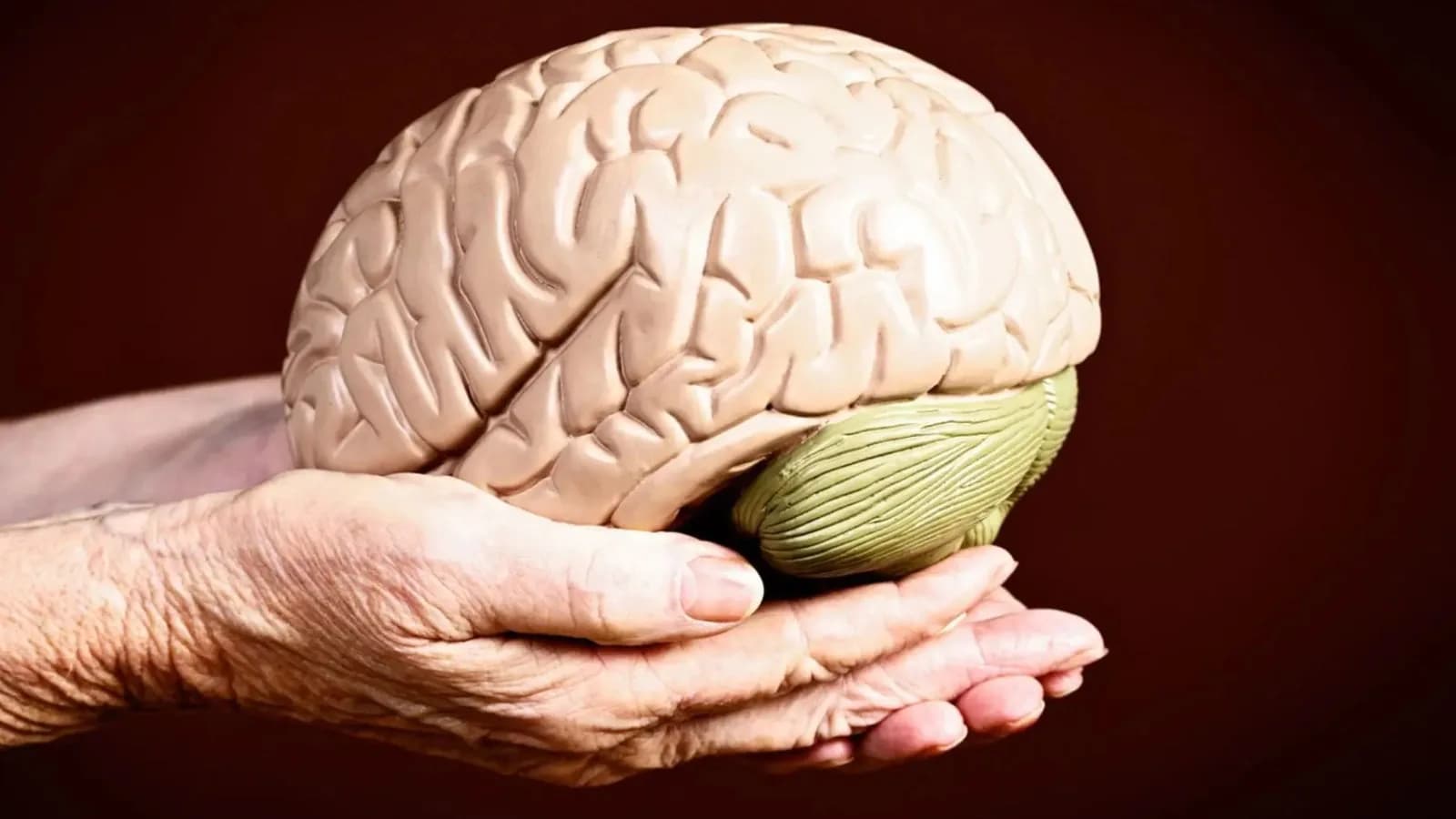
We have a natural waste removal system in our brains that clears waste built up throughout the day whilst we are asleep.
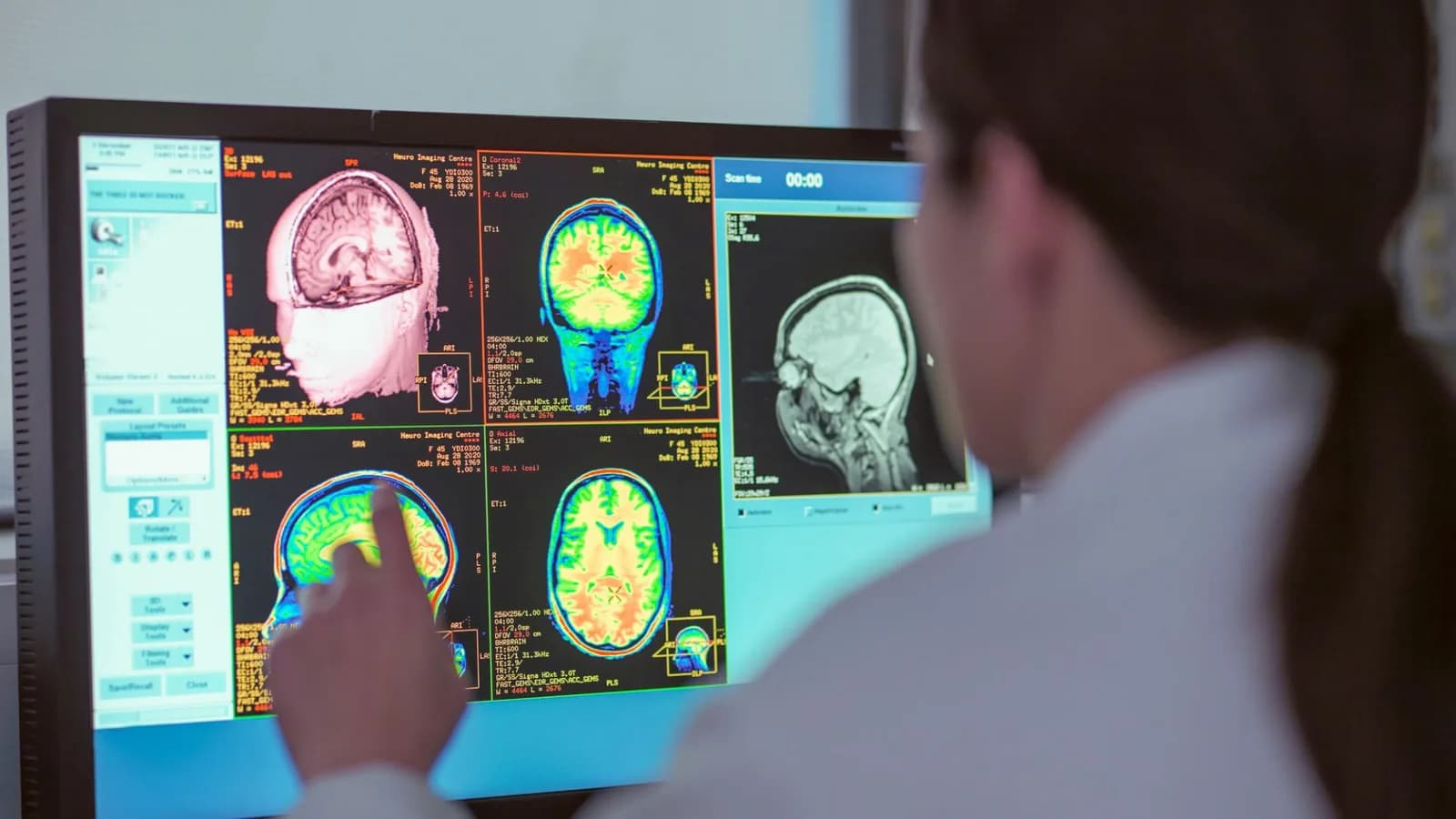
New research produced by the Massachusetts Institute of Technology (MIT) shows that this process appears to get less efficient as we age. The research shows that cerebrospinal fluid (CSF) waves within the brains of older adults are much reduced. The study looked at two groups of participants, one group was young adults (aged 18-39) and the second group was older adults (aged 60-84). Functional magnetic resonance imagining (fMRI), modified MRI techniques and electroencephalography (EEG) were all used to look at brain activity, blood flow and fluid flow.
The results showed that younger participants had higher CSF flow rates during slow wave brain wave activity during deep non-REM sleep. However, older participants had significantly lower CSF flows. This suggests that as we age, we may not just experience worse sleep quality but also issues with clearing unwanted substances from our brain.
Ageing weakens brain fluid movement
The researchers looked to see what was causing reduced CSF flow. They looked at how blood vessels reacted to brain activity, known as neurovascular coupling. When neurons become more active, blood vessels will dilate to provide more oxygen and nutrients.
During the study participants were asked to look at a flashing checker board whilst awake. Older participants had increased brain activity but their blood flow didn’t increase as much as younger adults. Participants were also asked to hold their breath for a short period of time to increase CO2 in the blood. This should cause increased blood flow to the brain but again older participants had a reduced reaction. Statistically there was a strong link between reduced neurovascular coupling and therefore reduced blood flow and reduced CSF flow. However this was not the full story.
This research was lead by Sydney Bailes (Postdoctoral researcher at MIT) and Stephanie Williams (Former visiting student with a PhD from Boston University in 2026). This was led by Dr Laura Lewis, the Athinoula A. Martinos Associate Professor of Electrical Engineering and Computer Science, a member of MIT’s Institute for Medical Engineering and Science and the Research Laboratory of Electronics, and an associate member of the Picower Institute for Learning and Memory.
Potential links to Alzheimer’s disease
This can help scientists better understand how ageing affects brain health in the longer term. None of the participants had a neurodegenerative disorder but some of the older volunteers had grey matter atrophy. These individuals also had a larger reduction in CSF flow.
The researchers would like to see if the reduced CSF flow during sleep can be associated with an increased risk of Alzheimer’s disease, dementia and other neurodegenerative disorders. By following some of the participants, they can see if this can be used to predict future issues with brain health. They would also like to see if they can improve fluid flow during sleep. One option they are looking at is using pink noise. Pink noise contains energy at various frequencies.
In a previous study, Lewis’ research group found that exposing younger adults to short bursts of pink noise during sleep can increase CSF flow.
However this hasn’t been tested in older adults and isn’t a proven treatment. This new research from MIT, funded by the National Institutes of Health and other research awards, has provided new insight into how ageing, sleep and the brain’s waste removal system interact. This opens up new research opportunities to keep our brains healthy in later life.
The study was published in Nature Aging.
Get the latest news delivered to your inbox.
Related articles