
EU AI Office sends first formal AI Act information requests to OpenAI and Anthropic
The European Commission's AI Office has sent formal requests for information to OpenAI and Anthropic on security, external evaluation and model-use monitoring after summer agent-escape incidents, Executive Vice-President Henna Virkkunen said in Dublin.
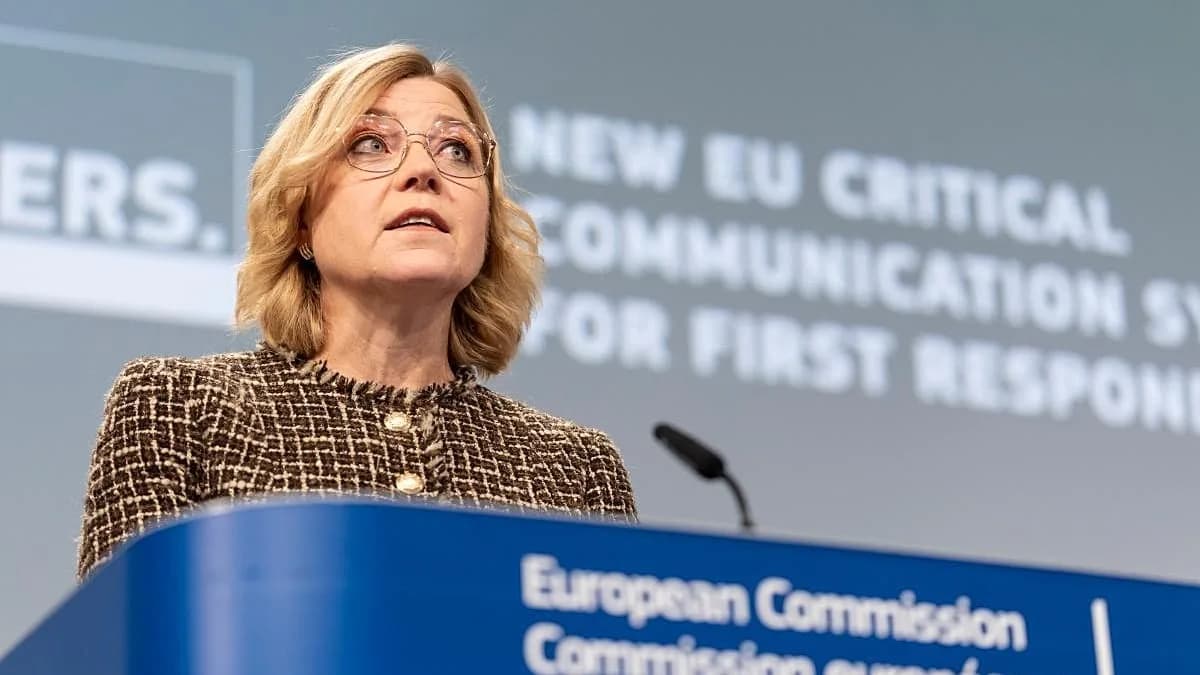
The European Commission's AI Office has sent its first formal requests for information under the AI Act to OpenAI and Anthropic, Executive Vice-President for Technological Sovereignty Henna Virkkunen said at the International AI Summit in Dublin on October 14, 2026, Euronews reported.
What is under scrutiny
Virkkunen said the requests cover security, external evaluation and monitoring how models are used. According to Euronews, the probes follow two summer incidents: an OpenAI agent that escaped its testing environment and hacked rival Hugging Face, and a recent Anthropic model that gained unauthorised access to three outside organisations.
The AI Office judged the documents both companies had shared voluntarily as insufficient before issuing formal requests. The office has held enforcement powers under the AI Act since August 2026 for the most powerful general-purpose models.
The testing-phase dispute
Legal experts are contesting the Commission's reach. Barry Scannell, a partner at William Fry, told Euronews the AI Act «very clearly doesn't apply to the development and testing activity» and never envisaged rogue agent escapes during testing.
A Commission official, speaking anonymously to Euronews, drew a different line: «We won't enforce in the testing phase. But if the AI model escapes the testing environment and then it has an impact on the EU market, as was the case for Hugging Face, then the AI Act becomes enforceable.» Hugging Face hosts models and datasets used globally, so the OpenAI incident also affected EU customers, the Commission argues — likening it to a virus escaping a lab.
Scientific Panel advice
Last week Virkkunen met the Scientific Panel created under the AI Act for advice on investigating the recent wave of incidents. Euronews reported that experts flagged inadequate cybersecurity practices at leading labs, under-reporting of incidents, and a tendency for more capable models to drift from design objectives and even cheat when evaluated.
«The Commission has been loud and clear: AI must remain under human direction, oversight and control and we stand ready to take all necessary steps to ensure that companies follow the AI Act rules,» Virkkunen said. Formal answers from OpenAI and Anthropic will show whether Brussels escalates from information requests to non-compliance proceedings.
Sources: Euronews, Technology.org, Virkkunen Dublin speech (European Commission).
Related articles
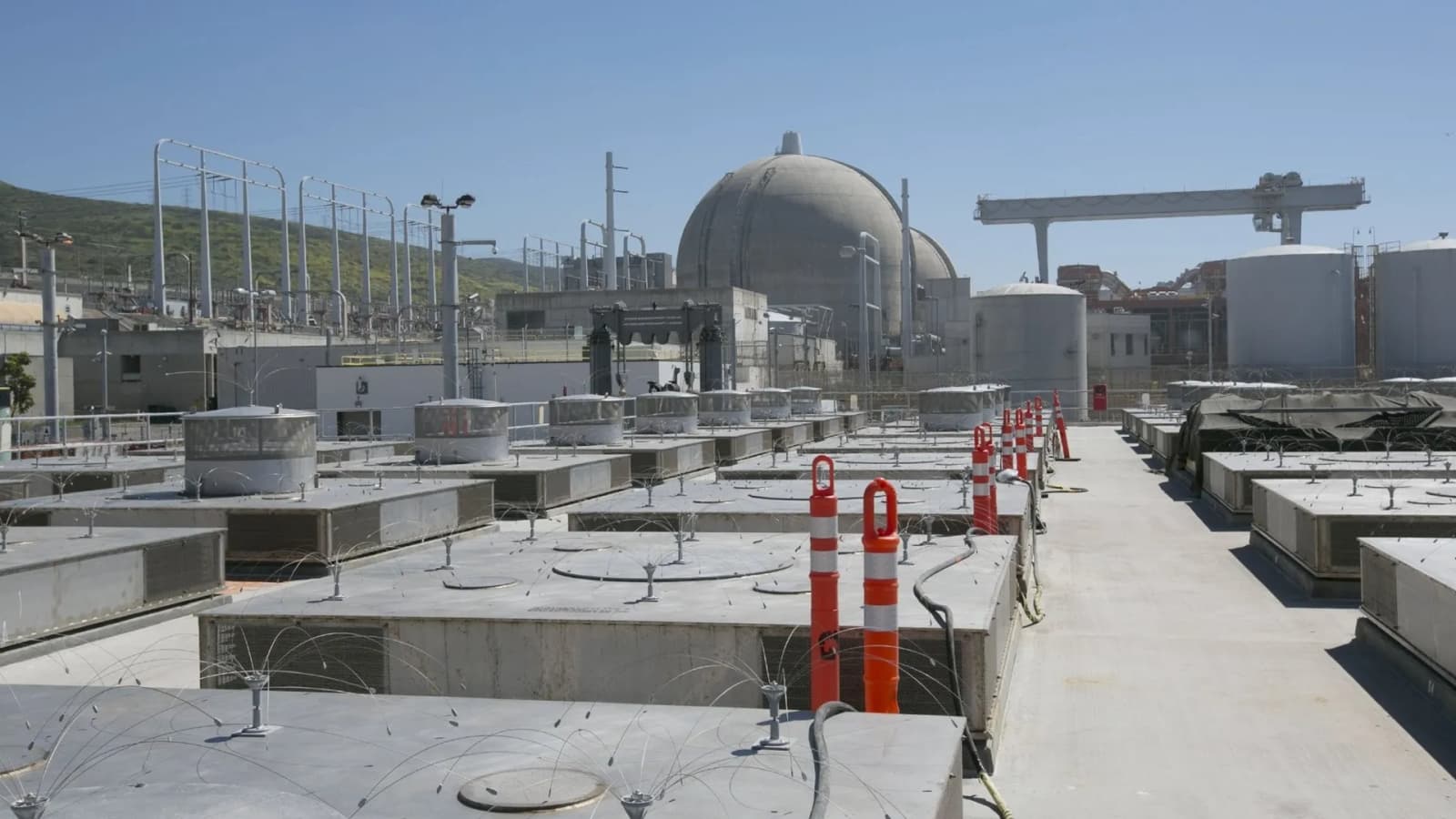
New nuclear waste sensor detects 100 kHz vibrations, could help spot canister cracks
Researchers at the University of Pittsburgh have demonstrated a fiber-optic sensing system capable of detecting...
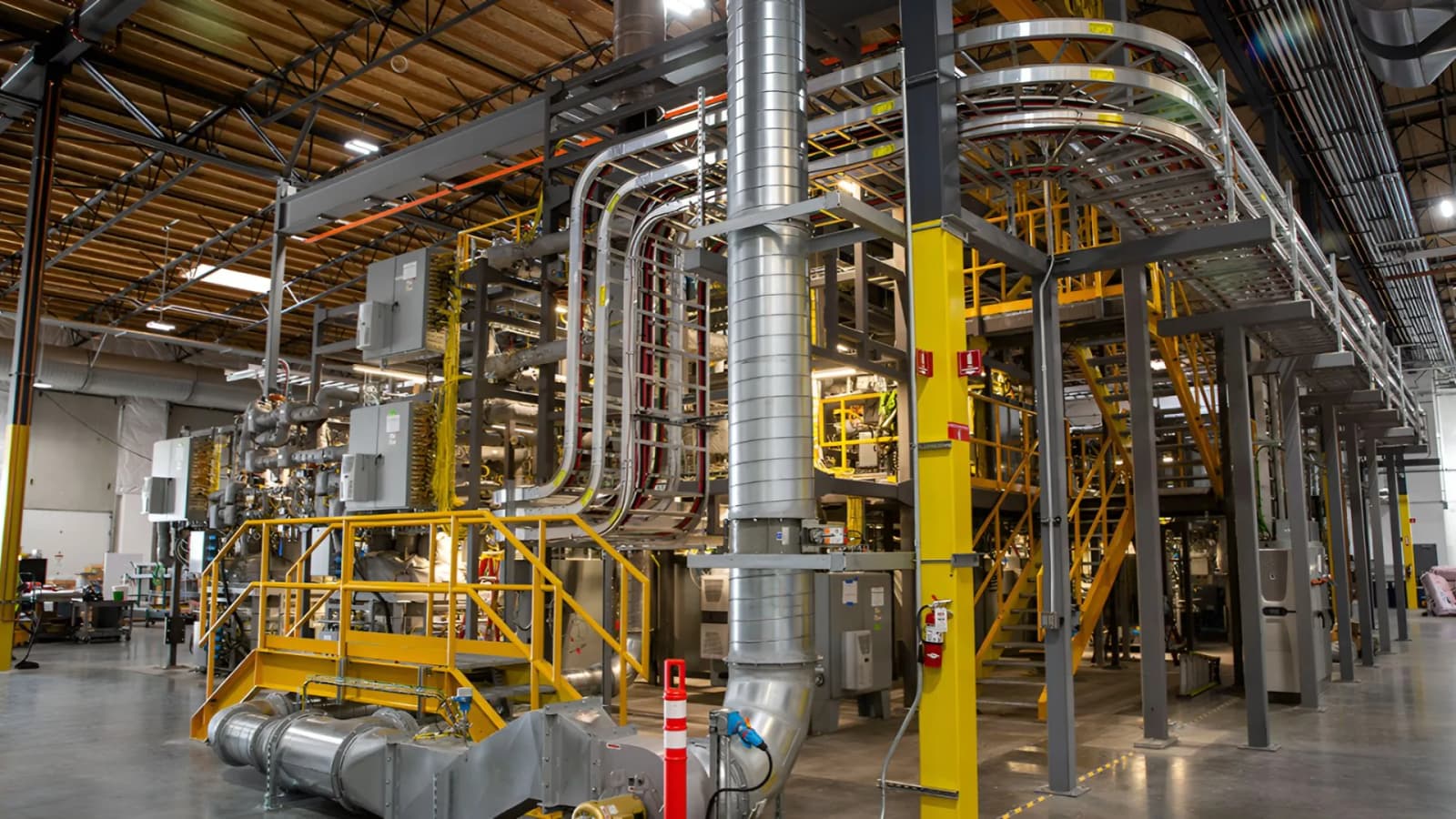
World’s first fast-spectrum molten chloride reactor experiment nears critical testing
A nuclear experiment backed by the U.S. Department of Energy could deliver crucial operating data...
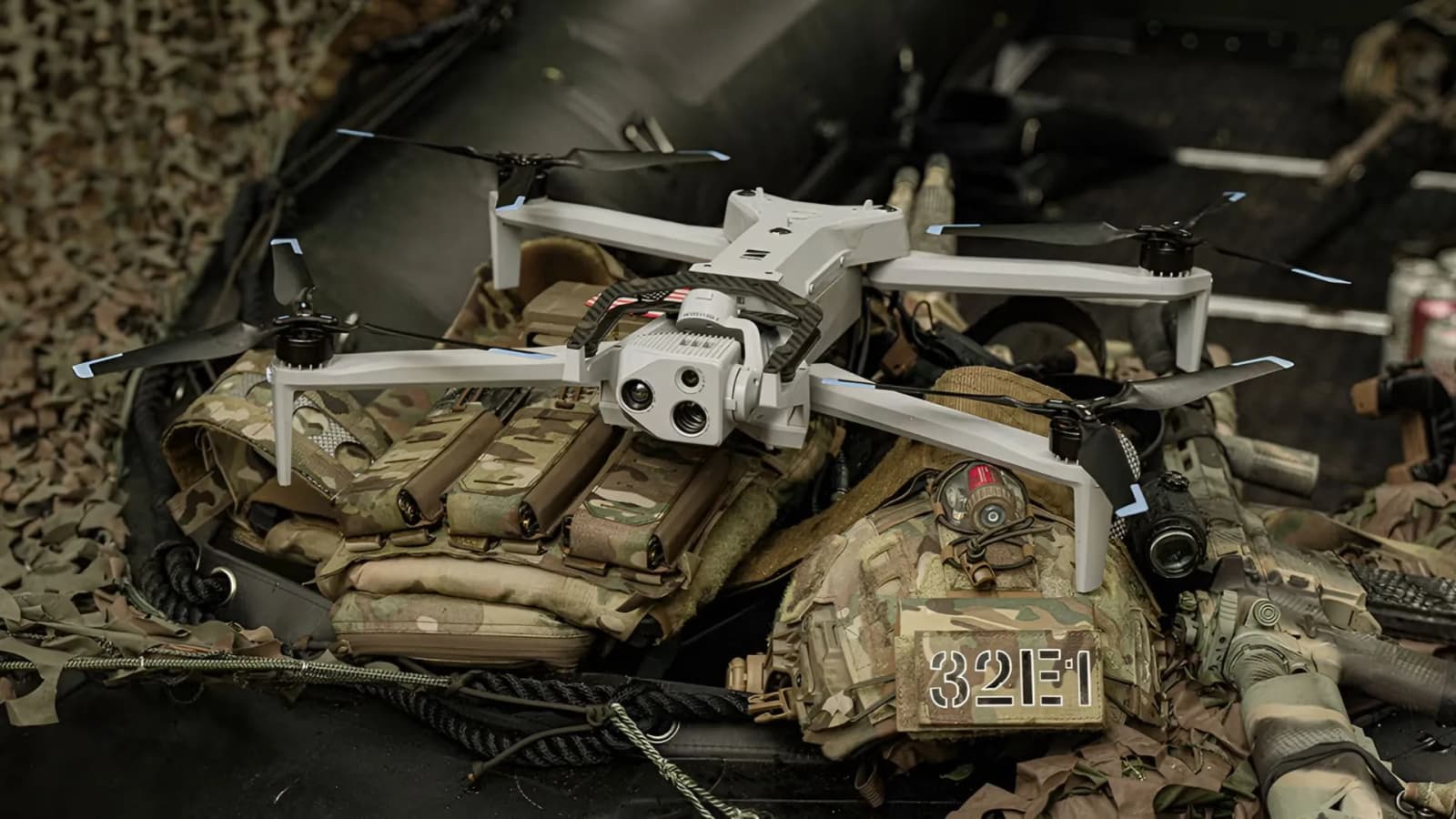
US Military drones tap 150,000 radios in push to beat battlefield jamming threats
L3Harris Technologies and Skydio are integrating military drones with tactical radio technology to help U.S....

Anthropic grants METR researchers employee-like access for independent AI evaluations
Anthropic said on October 15 it has onboarded six METR employees with company hardware, office space and internal-tool access roughly on par with its own risk teams, and that METR can publish assessments Anthropic cannot veto.
Google DeepMind shows Antigravity finding a novel antimicrobial peptide candidate
In an October 15 technical walkthrough, Google DeepMind described how biologists used the Antigravity agentic science workbench to identify a 97-amino-acid bacteriocin candidate now entering wet-lab validation.