
World’s first fast-spectrum molten chloride reactor experiment nears critical testing
A nuclear experiment backed by the U.S. Department of Energy could deliver crucial operating data...
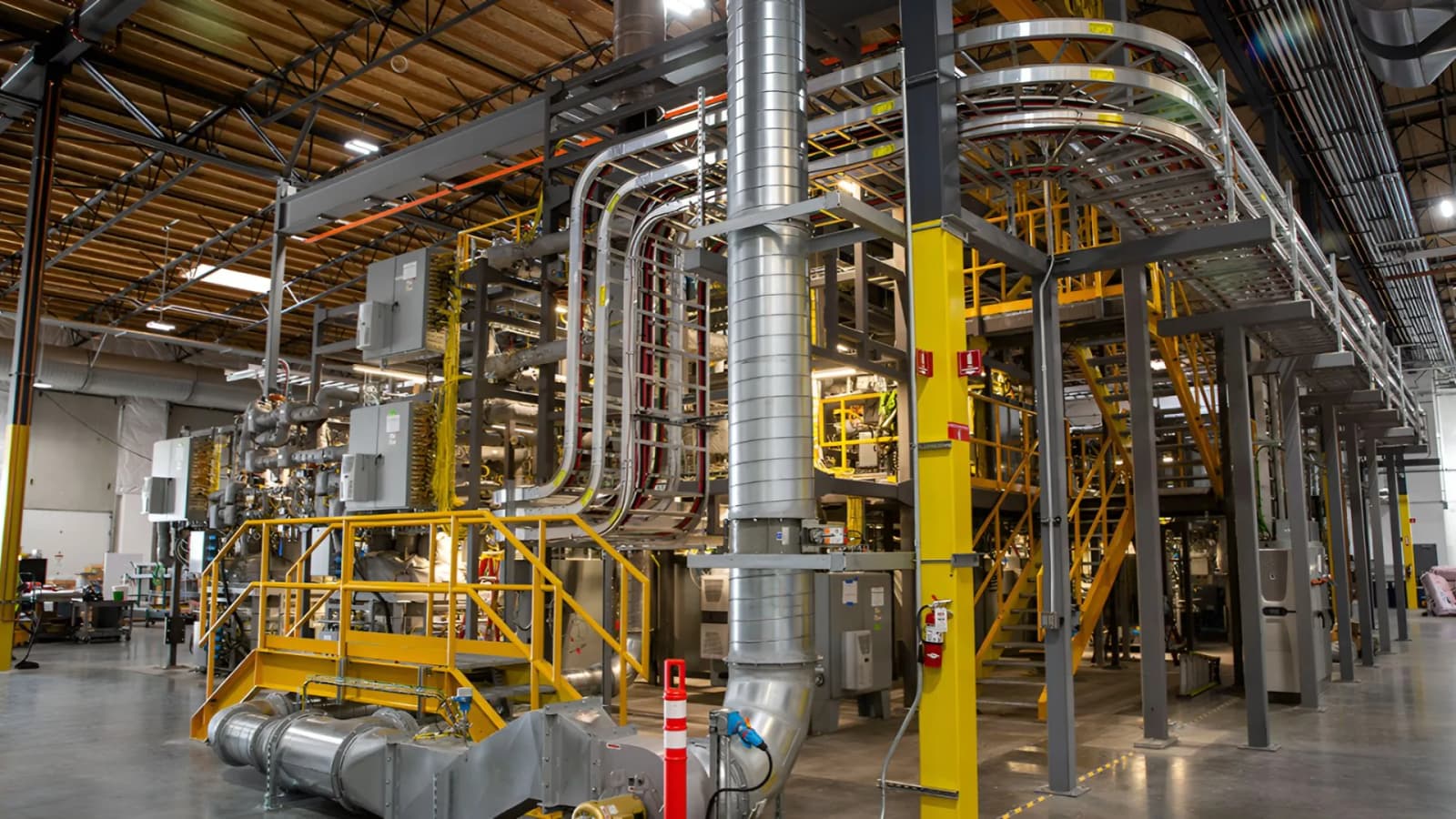
A nuclear experiment backed by the U.S. Department of Energy could deliver crucial operating data for next-generation reactors as early as 2027. The Molten Chloride Reactor Experiment (MCRE) aims to test a fast-spectrum molten chloride salt reactor under sustained fission conditions. Its results could help engineers move the technology closer to commercial use.
The DOE has approved additional cost-shared funding to accelerate the experiment’s final development stage. Southern Company, Idaho National Laboratory and CORE POWER are collaborating on the project through the department’s Advanced Reactor Demonstration Program.
Testing a different reactor design
Unlike conventional reactors, which typically use solid fuel, molten salt reactor designs can dissolve nuclear fuel in liquid salt. MCRE will investigate a chloride-based system that operates with a fast neutron spectrum.
Fast neutrons retain more energy than the thermal neutrons used in many conventional reactors. This difference influences how nuclear fuel behaves and how a reactor sustains fission. Engineers need experimental evidence to understand those effects and refine their designs.
MCRE aims to become the world’s first fast-spectrum molten chloride reactor experiment to achieve criticality. That milestone occurs when a reactor sustains a controlled nuclear chain reaction.
Idaho National Laboratory will help researchers gather direct measurements of the reactor’s behavior during operation. Associate Laboratory Director Jess Gehin said engineers currently rely on models to predict how this reactor design will perform.
“Enhancing those models with real-world operating evidence will reduce uncertainty for future reactor designers and regulators,” Gehin said.
The measurements could help developers validate simulation tools and assess engineering decisions. They could also inform future reactor licensing efforts, although regulators will still need project-specific safety evidence.
Reducing risks before deployment
Advanced reactor developers face significant technical challenges before they can bring new designs to market. Experimental results can help engineers identify uncertainties before committing to larger, more expensive demonstrations.
MCRE could provide data on fuel behavior and reactor performance during sustained fission. Those findings may help developers evaluate design choices and build stronger technical cases for future projects.
Southern Company sees the experiment as an example of how federal funding and private-sector expertise can advance nuclear research. Senior Vice President Mark S. Berry said collaboration could help reduce technical uncertainty as developers pursue reliable and affordable energy.
The research could also support applications beyond electricity generation. Fast-spectrum molten salt systems may eventually support industrial energy demands and medical isotope production. Developers are also exploring whether these reactors could extract additional value from used nuclear fuel.
Maritime nuclear power prospects
CORE POWER sees potential applications in commercial shipping, where nuclear propulsion could provide long-duration power without onboard carbon emissions during operation.
CEO Mikal Bøe said the company committed to building MCRE in 2020. The accelerated schedule now targets criticality as early as 2027.
Bøe said the experiment could help establish the engineering knowledge, licensing approaches, and supply chains needed for commercial deployment. CORE POWER also wants to connect advances in nuclear fuel technology with its maritime nuclear development efforts.
Nuclear-powered commercial vessels could eventually offer an alternative to conventional marine fuels. However, deployment would require substantial work on reactor safety, ship integration, regulation, and supporting infrastructure.
MCRE’s immediate goal remains scientific, not commercial. Its experimental results could help determine whether fast-spectrum molten chloride reactors can progress toward practical applications, including future maritime power systems.
Related articles
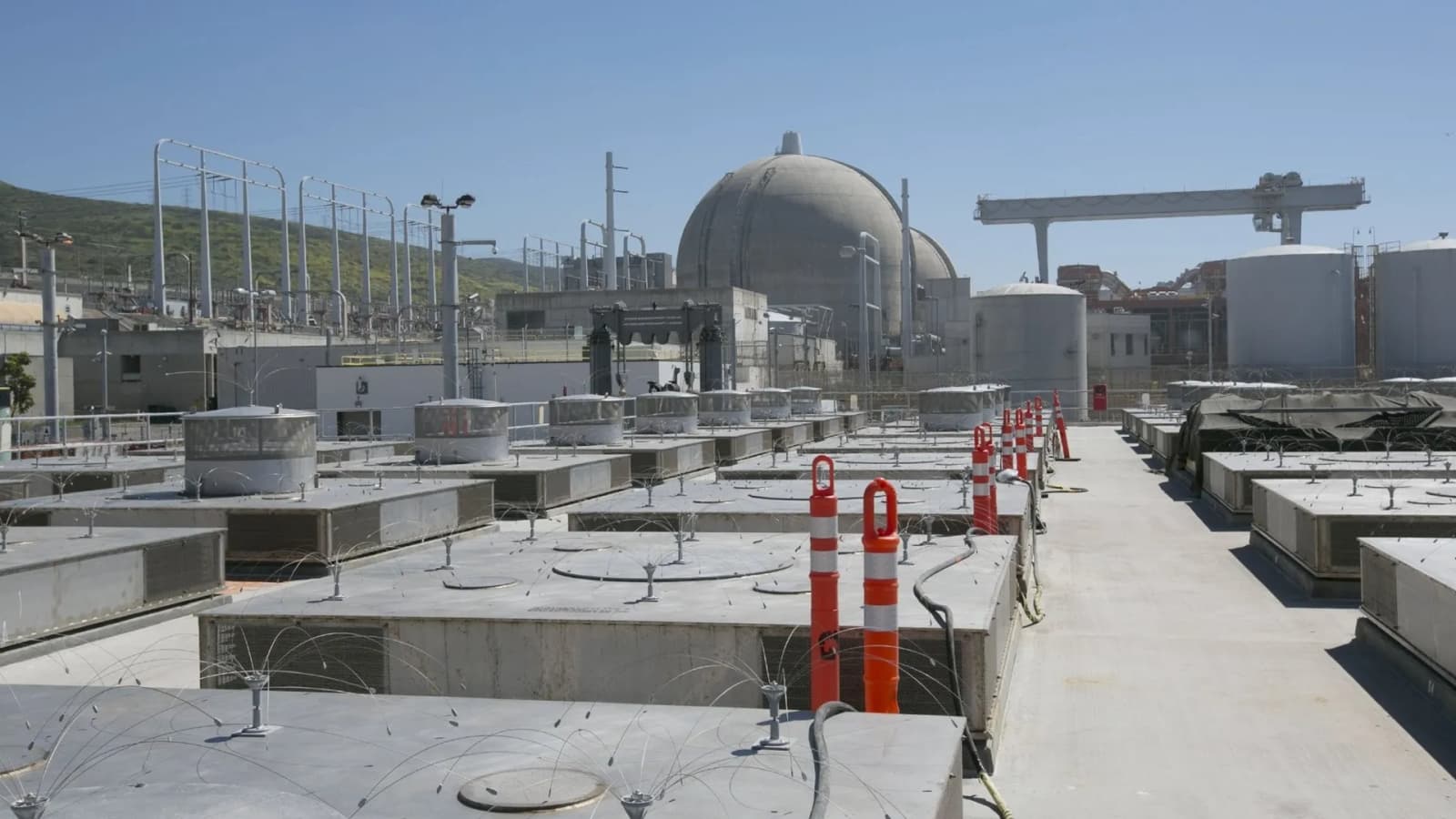
New nuclear waste sensor detects 100 kHz vibrations, could help spot canister cracks
Researchers at the University of Pittsburgh have demonstrated a fiber-optic sensing system capable of detecting...

US Military drones tap 150,000 radios in push to beat battlefield jamming threats
L3Harris Technologies and Skydio are integrating military drones with tactical radio technology to help U.S....

Anthropic grants METR researchers employee-like access for independent AI evaluations
Anthropic said on October 15 it has onboarded six METR employees with company hardware, office space and internal-tool access roughly on par with its own risk teams, and that METR can publish assessments Anthropic cannot veto.

Google DeepMind shows Antigravity finding a novel antimicrobial peptide candidate
In an October 15 technical walkthrough, Google DeepMind described how biologists used the Antigravity agentic science workbench to identify a 97-amino-acid bacteriocin candidate now entering wet-lab validation.
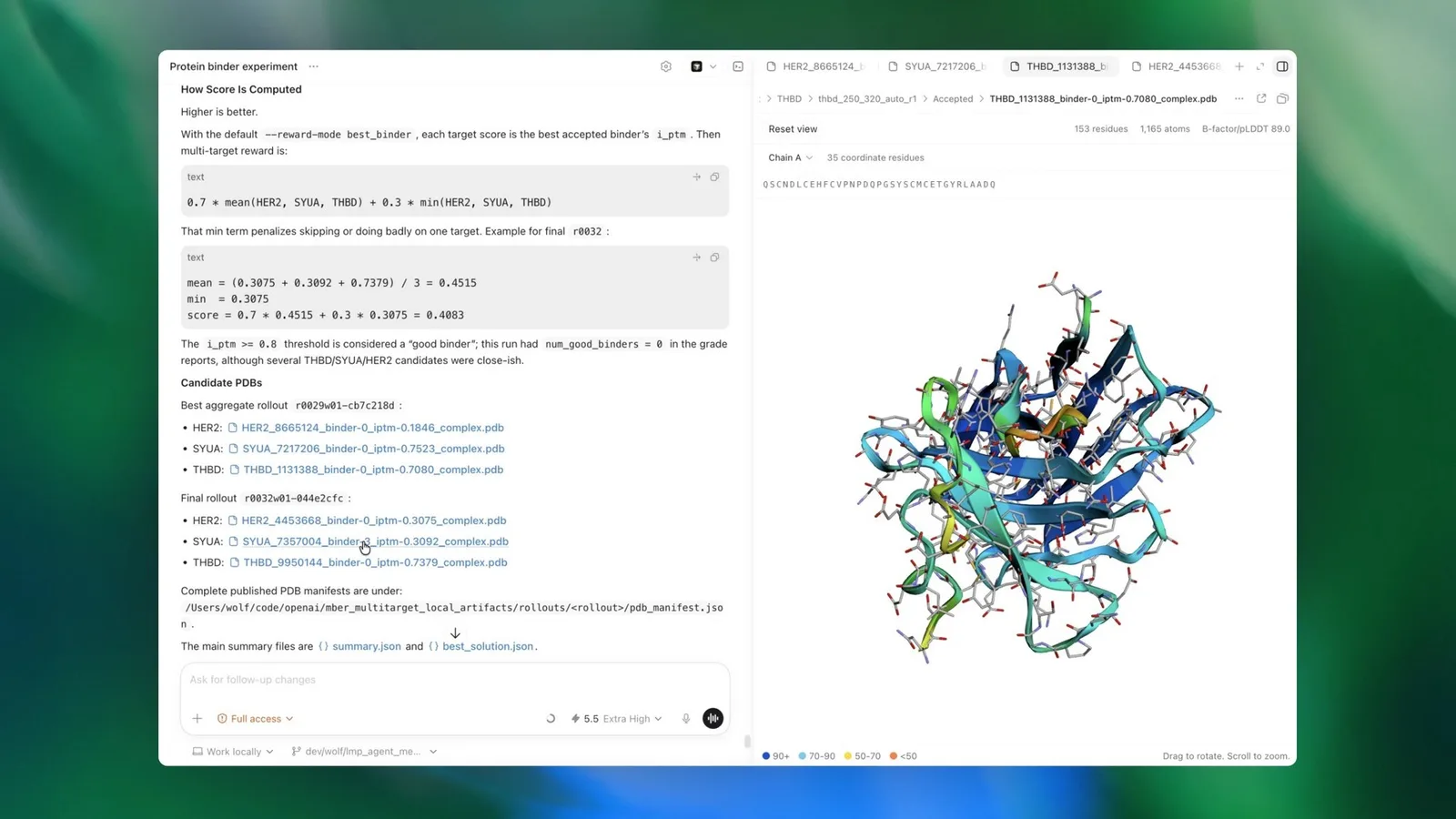
OpenAI launches Rosalind Academic Plan for U.S. university life-science labs
OpenAI on October 15 introduced the Rosalind Academic Plan, offering eligible U.S. university labs sponsored access to GPT-Rosalind and life-sciences research tools under a trusted-access review.