
New nuclear waste sensor detects 100 kHz vibrations, could help spot canister cracks
Researchers at the University of Pittsburgh have demonstrated a fiber-optic sensing system capable of detecting...
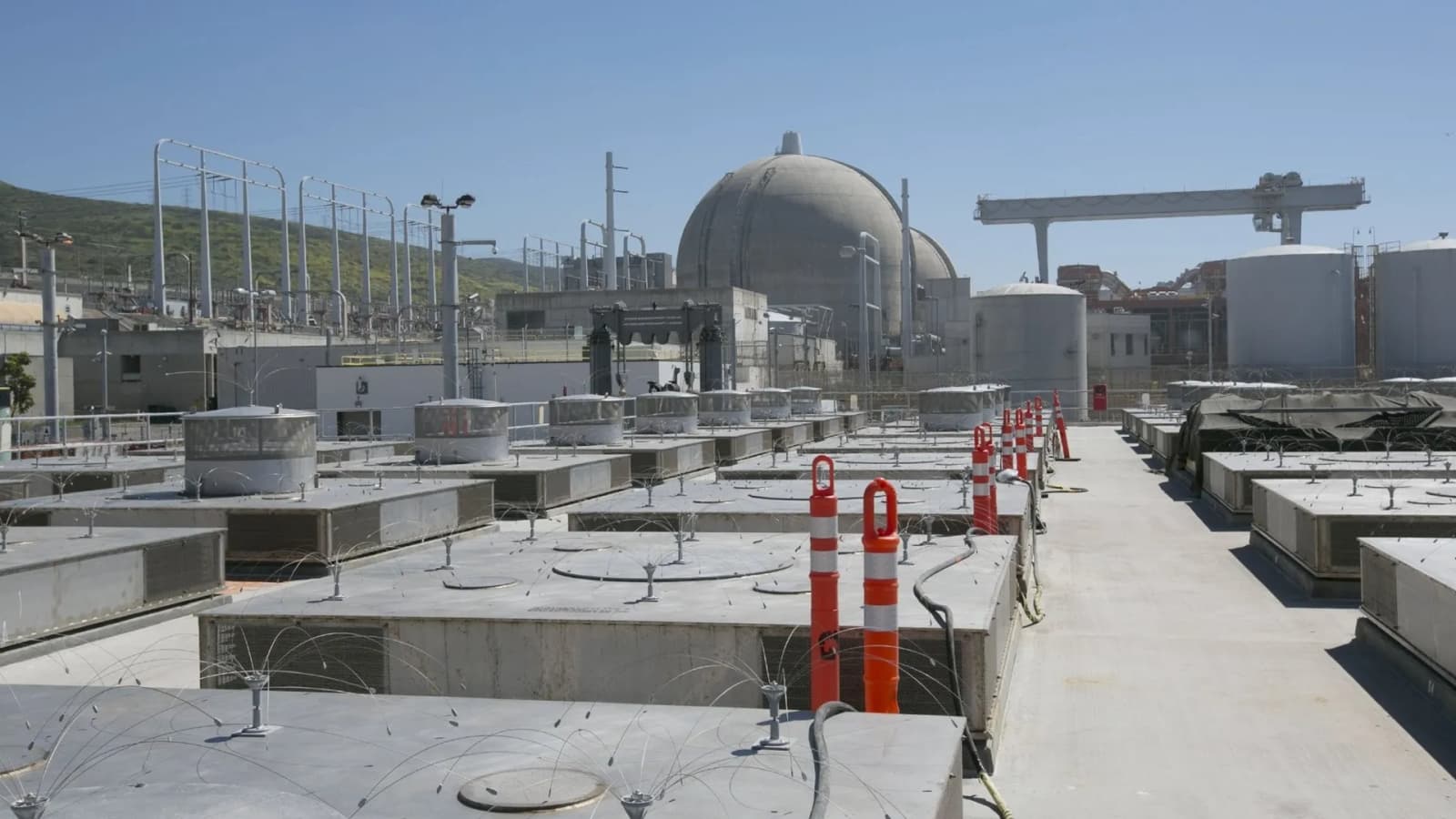
Researchers at the University of Pittsburgh have demonstrated a fiber-optic sensing system capable of detecting acoustic signals above 100 kilohertz (kHz), roughly five times the frequency cited for conventional systems, in a step toward monitoring cracks and corrosion in nuclear fuel storage canisters.
Developed with Pittsburgh-based startup Sensible Photonics, the system underwent field testing at Idaho National Laboratory (INL) in September. The researchers used a mock nuclear fuel canister to test whether the sensors could detect vibrations and locate their source.
The technology is designed to monitor steel canisters that hold spent nuclear fuel. It could eventually be retrofitted onto existing storage casks, allowing operators to detect acoustic signals associated with developing cracks before they compromise the containers.
The researchers conducted the tests from September 8 to 11, using different sensor configurations to assess the system’s sensitivity. The demonstration marked the completion of the project’s first phase, supported by funding from the US Department of Energy.
Detecting damage through sound
Spent nuclear fuel is typically cooled in water before being sealed inside steel canisters surrounded by concrete storage casks. These containers can remain at nuclear facilities for decades.
Although the fuel has been removed from a reactor, it continues to generate heat. Storage casks therefore include ventilation openings that help dissipate heat.
At coastal nuclear facilities, salty air can enter through these openings and contribute to corrosion of the steel canisters. Over time, corrosion may lead to cracks that threaten their structural integrity.
The researchers developed their fiber-optic system to detect acoustic emissions, or small vibrations produced when materials undergo changes such as cracking.
“People tend to think about fiber-optics as a way to produce faster internet speeds, but it can be used to continuously monitor everything from bridges to batteries to nuclear waste,” said Khurram Naeem, a research assistant professor at Pittsburgh and technical lead for the demonstration.
According to Naeem, the system can detect signals above 100 kHz, compared with the 20 kHz capability he cited for most conventional counterpart systems.
The higher detection frequency is a technical capability, not evidence that the system detects cracks five times earlier or more accurately.
Testing sensors on canisters
During the INL demonstration, researchers installed optical fibers outside a mock nuclear fuel canister and tested several arrangements to measure acoustic vibrations.
They also conducted pencil-lead-break tests, a standard technique for generating repeatable acoustic signals that simulate the emissions associated with material damage.
“Through a series of pencil-lead-break tests, we showed that the technology could detect the sound and find the source,” Naeem said.
The team also evaluated methods for attaching sensors to storage casks, with the aim of developing installations capable of remaining in place for years under high-temperature and high-radiation conditions.
However, the tests did not establish that the system could reliably identify actual corrosion or cracks in operating nuclear fuel storage canisters. Its long-term performance under nuclear storage conditions also remains to be demonstrated.
The project involves researchers from Pittsburgh’s Swanson School of Engineering and Sensible Photonics, a startup co-founded by Pitt professor Paul Ohodnicki.
Researchers also collaborated with scientists from INL, Oak Ridge National Laboratory, and Pacific Northwest National Laboratory.
The team is seeking further funding to evaluate the system’s durability and stability and advance it toward potential commercial use at nuclear storage facilities.
Related articles

World’s first fast-spectrum molten chloride reactor experiment nears critical testing
A nuclear experiment backed by the U.S. Department of Energy could deliver crucial operating data...
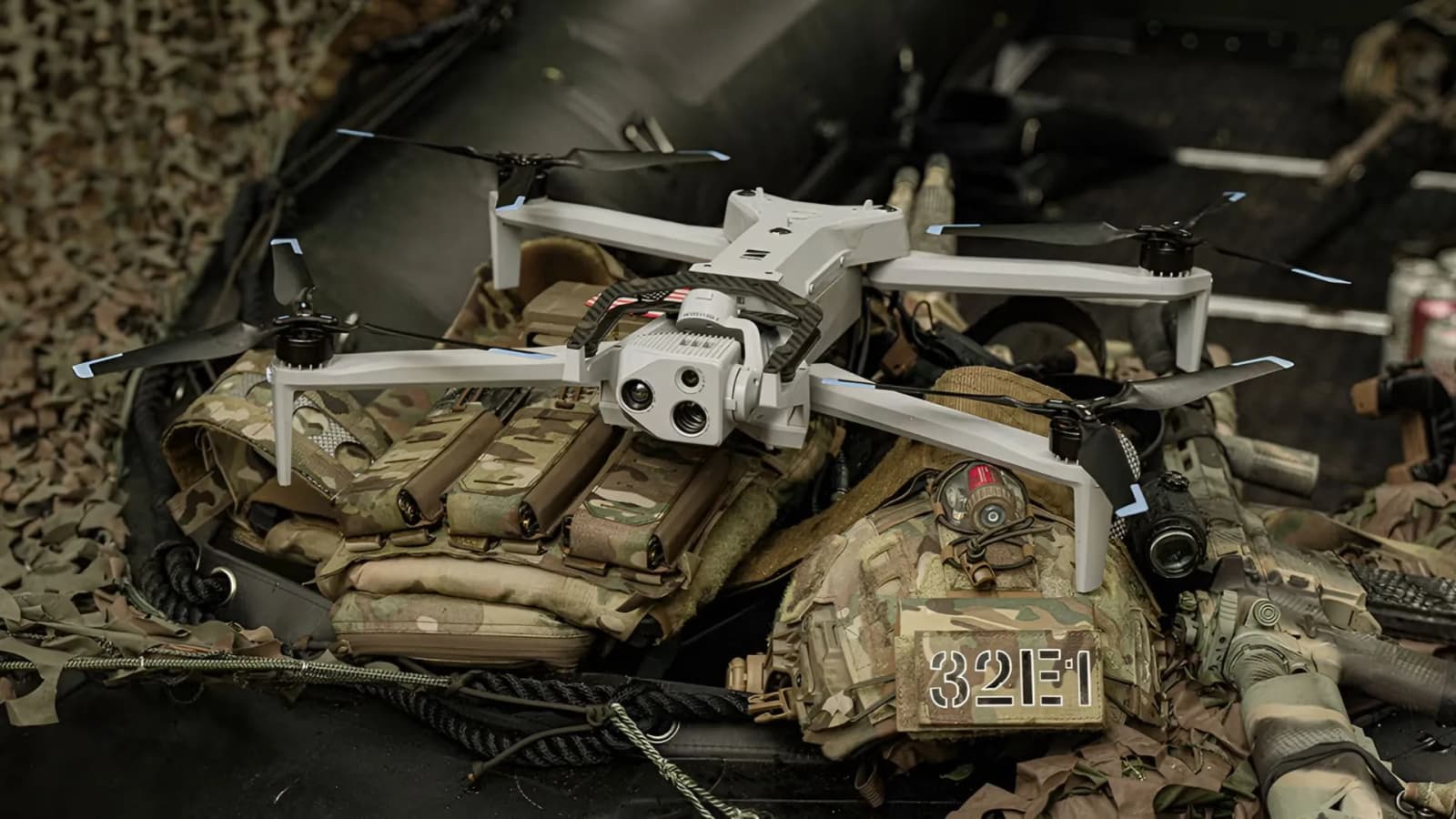
US Military drones tap 150,000 radios in push to beat battlefield jamming threats
L3Harris Technologies and Skydio are integrating military drones with tactical radio technology to help U.S....


Anthropic grants METR researchers employee-like access for independent AI evaluations
Anthropic said on October 15 it has onboarded six METR employees with company hardware, office space and internal-tool access roughly on par with its own risk teams, and that METR can publish assessments Anthropic cannot veto.
Google DeepMind shows Antigravity finding a novel antimicrobial peptide candidate
In an October 15 technical walkthrough, Google DeepMind described how biologists used the Antigravity agentic science workbench to identify a 97-amino-acid bacteriocin candidate now entering wet-lab validation.
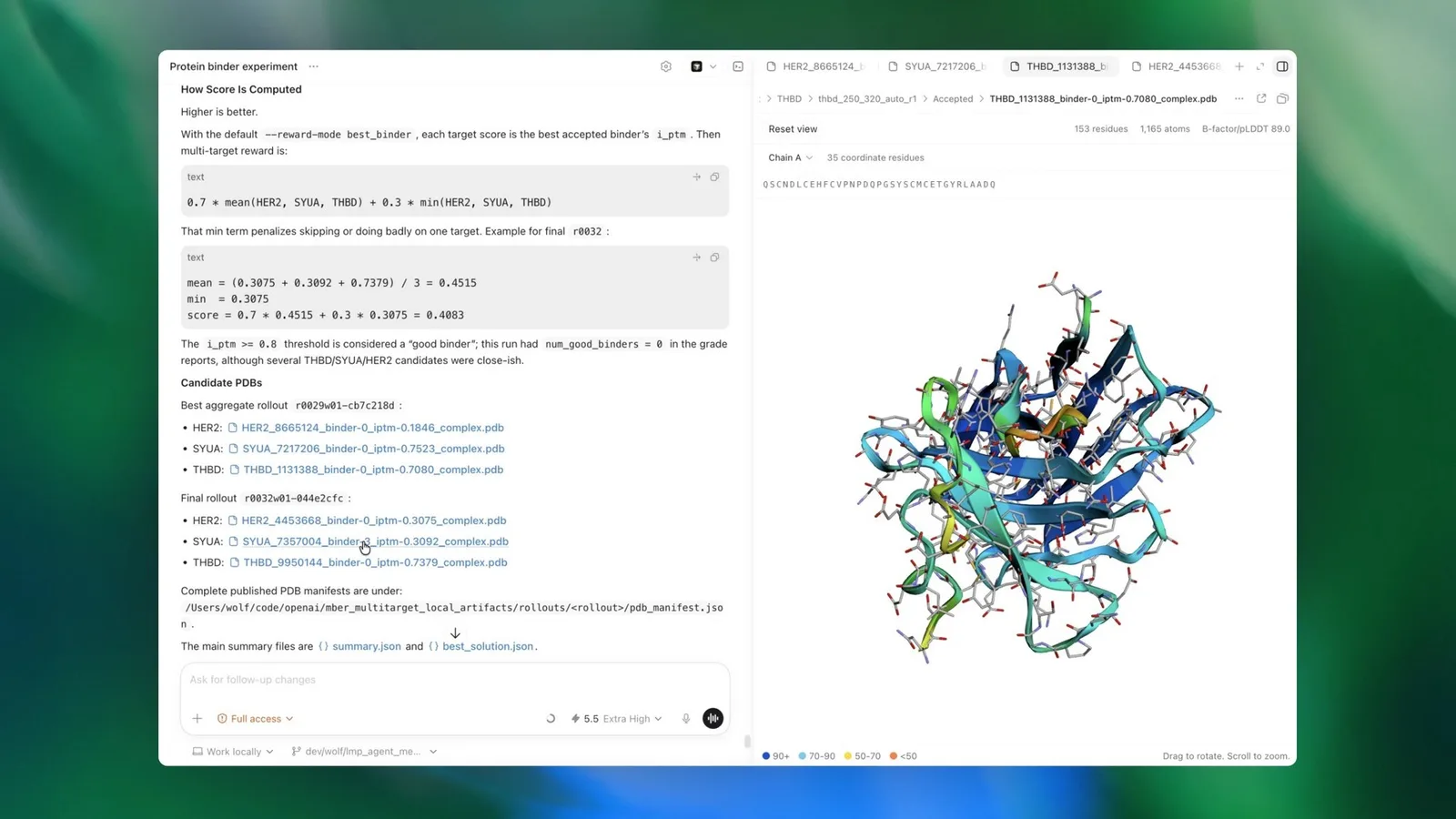
OpenAI launches Rosalind Academic Plan for U.S. university life-science labs
OpenAI on October 15 introduced the Rosalind Academic Plan, offering eligible U.S. university labs sponsored access to GPT-Rosalind and life-sciences research tools under a trusted-access review.