Electric drone hits 483 mph in record attempt, pushes speed limits of battery flight
German drone maker Quantum Systems announced that its battery-powered experimental drone reached 483 mph (777...
This story was prepared automatically by software.
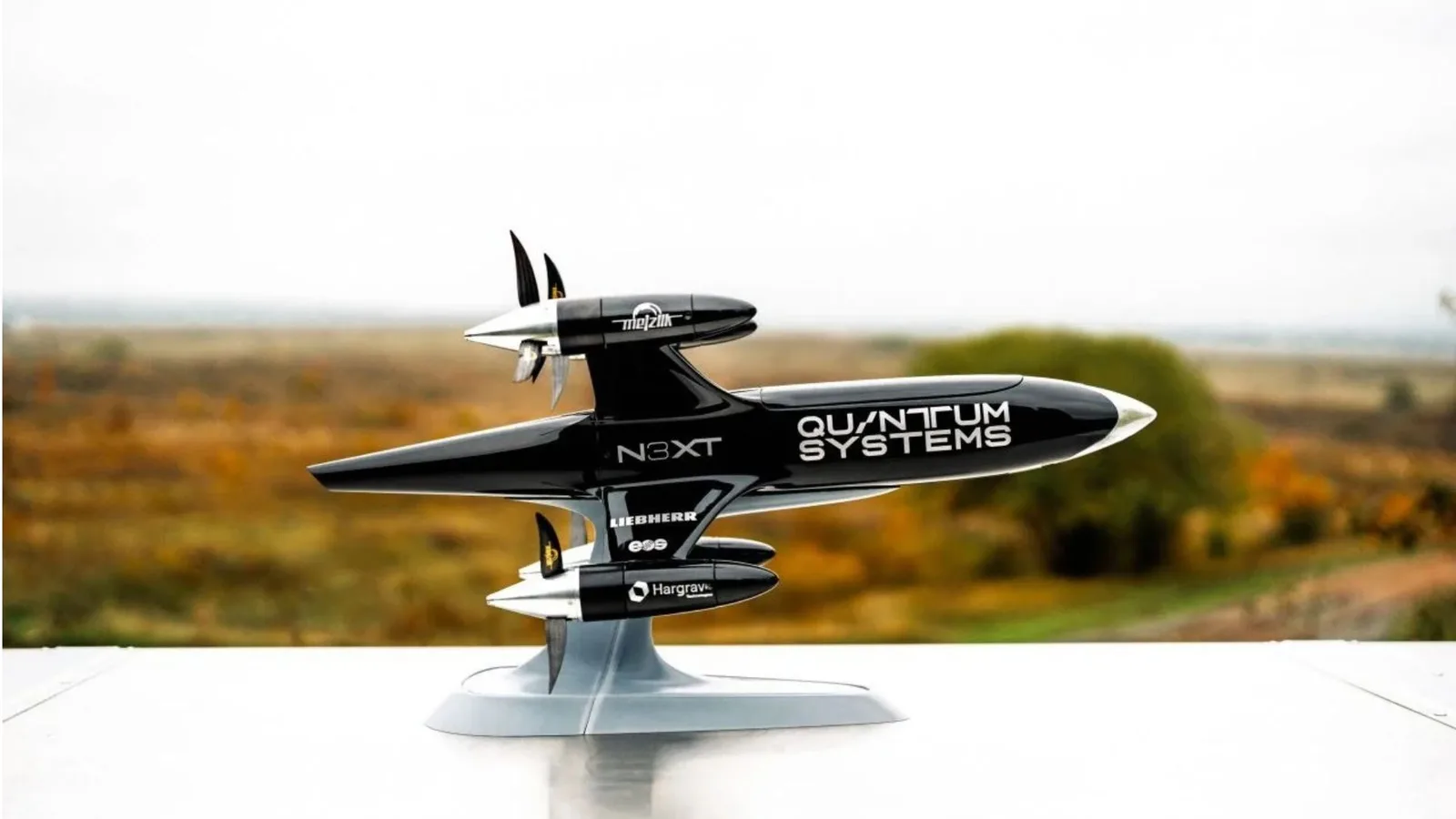
German drone maker Quantum Systems announced that its battery-powered experimental drone reached 483 mph (777 km/h) during a record attempt. The flight could mark a new speed milestone for battery-electric drones, though the result has not yet been officially confirmed.
The company is developing technologies for uncrewed aircraft, including systems intended to counter fast-moving aerial threats.
The latest test also provides an opportunity to evaluate the performance and limitations of electric propulsion at high speeds.
Quantum Systems said the lessons learned from the attempt will inform its ongoing drone development.
Electric flight breakthrough
Quantum Systems said its battery-powered Apex Recordhunter experimental aircraft reached 483 mph during a speed record attempt. The result exceeds the speed the company reported during an earlier test in June, when the drone reached 434 mph (699 km/h) in straight and level flight.
The latest run has not yet established an official record, as the aircraft must complete a return flight to account for wind effects. However, the test provides further data on the performance of battery-electric propulsion systems at high speeds.
The Apex Recordhunter was developed by Quantum Systems’ experimental N3XT team in Germany over approximately a year. Rather than serving as an operational aircraft, it functions as a technology demonstrator, allowing engineers to test propulsion, energy management, and high-speed flight performance.
Quantum Systems applies Apex’s propulsion and flight lessons to interceptor development, though the drone shares no combat hardware.
During its June test, the Apex reached 434 mph, a figure Quantum Systems described as an unofficial world-best for a battery-electric flying object. The company said the aircraft used special battery cells developed by a Porsche subsidiary, although it has not disclosed detailed specifications for the battery pack, motor, or propulsion system.
The latest flight pushed the reported speed to 483 mph, or more than 656 feet (200 meters) per second. Such performance makes energy management a key engineering consideration, as the aircraft must deliver sufficient power while maintaining stable flight at high speeds.
The company has not provided detailed measurements of the aircraft’s energy consumption, battery capacity or flight duration. It has also yet to confirm the record through the required return leg.
Drone tech aids interceptors
Quantum Systems revealed that the technology developed through the Apex project could support its work on interceptor drones designed to counter faster aerial threats. The company has highlighted Russia’s jet-powered Geran drones, which can reportedly reach speeds of 311 to 373 mph (500 to 600 km/h).
According to the firm, the increasing speed of these aircraft has created a need for faster interception systems. The company says its experience with electric propulsion, energy management, and high-speed flight is informing this development. However, the Apex Recordhunter itself is not a weapon, and Quantum Systems says it does not share hardware with its combat systems.
The company’s interceptor work involves WIY Drones, a Kyiv-based manufacturer working with Quantum Systems through a joint venture called Quantum WIY Industries. Quantum Systems has secured an order for 15,000 Strila interceptor drones from WIY for Ukraine’s National Guard.
Quantum Systems, based near Munich, is also known for its Vector reconnaissance drone, which is widely used by Ukraine’s military. The company closed a $1.2 billion funding round this year, providing additional financial backing for its defense technology activities.
While the Apex project’s immediate achievement is its reported speed, its broader purpose is to generate engineering data that can be applied to future aircraft. The next flight will determine whether the drone’s latest performance can be formally recognized as a record.
Source: https://interestingengineering.com/innovation/electric-drone-hits-483-mph-in-record-attempt
Related articles