
How everything-to-grid tech could turn your EV and home into part of giant power grid network
For more than a century, the electricity grid has mostly worked in one direction. Power...
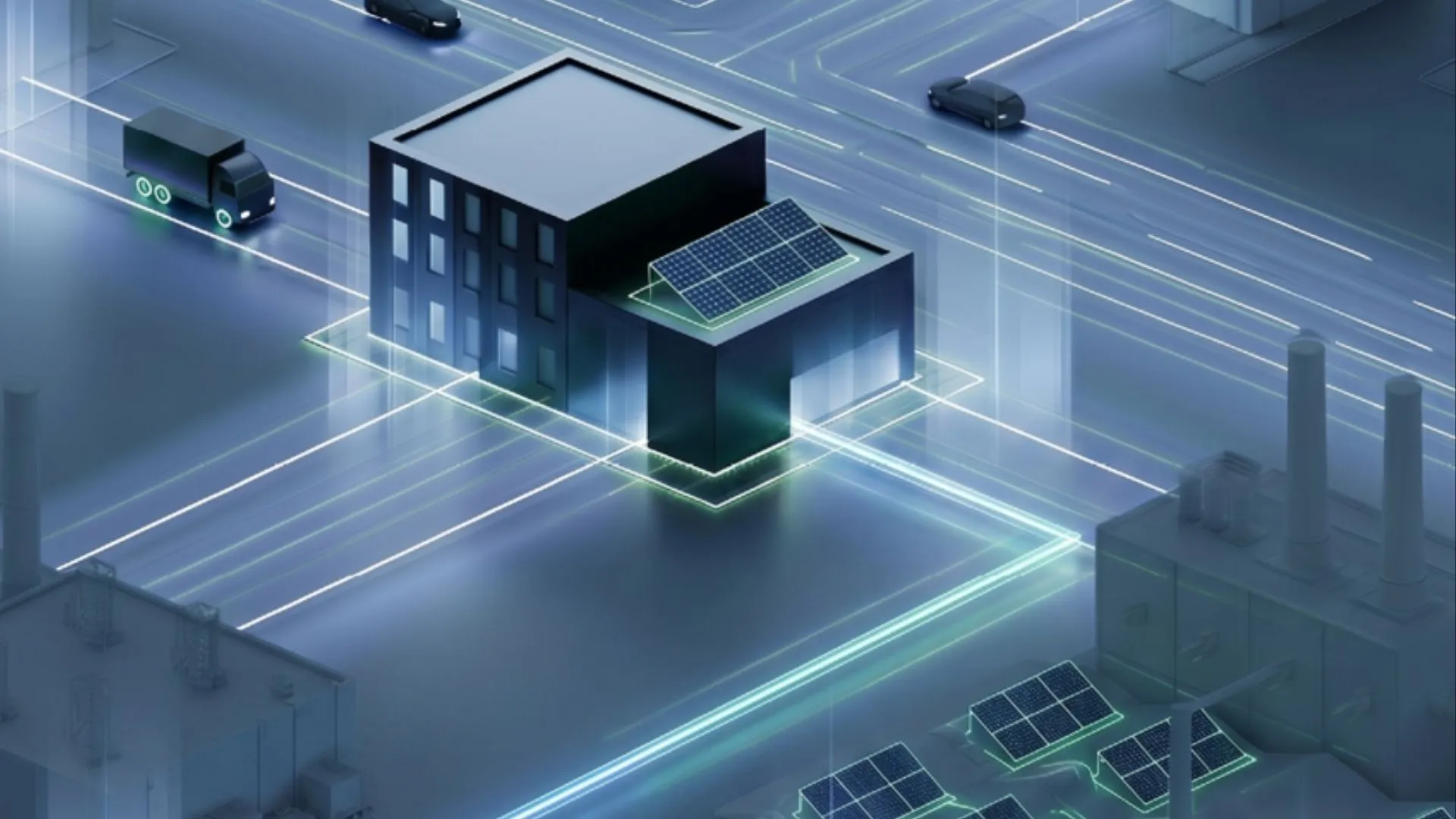
For more than a century, the electricity grid has mostly worked in one direction. Power plants generate electricity, grids deliver it, and homes, factories and businesses consume it. That model is starting to look a little dated.
As solar panels, batteries, electric vehicles and connected devices spread, millions of things that consume electricity can also store it, shift when they use it or, in some cases, send it back. “Everything-to-grid” is the emerging idea of coordinating those resources so they become active parts of the power system rather than simply sitting at the end of the network. The World Economic Forum included the concept among its Top 10 Emerging Technologies of 2026.
What exactly is everything-to-grid?
The simplest way to think about it is to imagine the grid gaining millions of tiny batteries, generators, and adjustable loads. An electric vehicle plugged into a charger is normally a consumer. But with bidirectional charging, its battery can potentially send electricity back to a building or the grid.
A building with solar panels and batteries can generate, store, and supply electricity. A factory could shift some electricity-intensive processes away from peak-demand periods.
Instead of asking only, “How much electricity do we need?”, an everything-to-grid system also asks, “What can we move, store, or temporarily switch off right now?” That flexibility can be valuable when electricity demand suddenly rises, or renewable generation fluctuates.
Your car could become a grid asset
Electric vehicles are one of the most obvious pieces of this puzzle because their batteries can store substantial amounts of electricity while the vehicles are parked for much of the day. Vehicle-to-grid, or V2G, technology allows compatible vehicles and chargers to exchange electricity with the grid rather than simply charging the battery.
Software can decide when a vehicle should charge, pause charging, or discharge electricity, while accounting for factors such as grid conditions and the owner’s need to drive.
The U.S. Department of Energy has been examining V2G as a way of integrating EVs into the wider power system. However, widespread deployment still depends on compatible vehicles, chargers, communications systems, regulations, and business models. In other words, your car could spend the afternoon being a car and the evening moonlighting as a very expensive power bank.
Buildings become more than electricity consumers
Buildings are another major part of the concept. A grid-interactive building combines energy efficiency, smart controls, communications and distributed energy resources such as solar panels and batteries. Heating, cooling, water heating and other systems can be adjusted according to electricity prices, grid conditions or the availability of renewable power.
The U.S. Department of Energy describes these buildings as flexible energy resources that can help reduce peak demand and make better use of periods when electricity is plentiful. The IEA similarly describes grid-interactive buildings as “prosumers” that can produce, consume, store, buy, and sell energy.
Why renewables make this more important
Solar and wind power are increasingly important sources of electricity, but their output varies with weather and time of day. Solar generation, for example, can fall rapidly as evening demand rises.
That makes flexibility increasingly valuable. The IEA expects renewables to overtake coal in global electricity generation in 2026 and says modernizing grids and improving system flexibility will be critical as wind and solar expand. Everything-to-grid systems could help absorb surplus electricity when renewable generation is high and reduce demand when the grid is under pressure.
The catch: somebody has to coordinate the chaos
Making millions of independent devices behave like one useful power resource is considerably harder than installing a solar panel or plugging in an EV. It requires communication standards, smart inverters and chargers, control software, electricity-market rules, and cybersecurity.
The more connected the grid becomes, the more important it is to protect those connections from failures and attacks. The DOE specifically identifies cybersecurity as an important consideration for increasingly connected grid-interactive buildings. There are also practical questions around battery degradation, consumer compensation, privacy, and who gets to control an asset in someone’s home.
Everything-to-grid, then, isn’t about turning every appliance into a miniature power station overnight. It is about changing the architecture of electricity itself, from a system where consumers mostly take power from the grid into one where millions of connected assets can help manage it.
The grid of the future may still have giant power plants and transmission lines. But alongside them could be millions of cars, buildings, batteries and machines quietly doing their part. That is a much more complicated grid. It could also be a much more flexible one.
Related articles

NJ’s lieutenant governor told PBS, AI says he didn’t commit sexual harassment
New Jersey's lieutenant governor Dale Caldwell was forced to resign on September 25th after an investigation found he had sexually harassed a staffer and repeatedly violated ethics rules.
New magnet technology promises rare-earth-free drive for US military systems
Moog and Niron Magnetics will showcase their rare-earth-free actuator solutions at the Association of the...

An AI couldn’t beat humans at StarCraft, so it decided to cheat
StarSkirmish pits AI-made StarCraft-playing bots against one another, as well as against human-made bots. OpenAI's GPT-6 Astra and Claude Opus 5.
OpenAI’s GPT-6 Astra found a way to play World of Warcraft without seeing the screen
OpenAI’s frontier intelligence model GPT-6 Astra has completed the Orc starting area in World of...

This toolless modular lever-action wallet is the coolest I’ve stuck to my phone
This toolless modular lever-action wallet is the coolest I've stuck to my phone. Remember when I tested the ultra-thin and convenient OhSnap Snap Grip Stand and liked it so much I bought my own?
US team to shield advanced nuclear reactors from damage with $1 million push
Advanced nuclear power holds a clear promise: round-the-clock, low-carbon electricity with far better fuel efficiency...