Humanoid robot cuts model processing delay 8x with NVIDIA tech in internal tests
Bear Robotics says it has reduced the time needed to run a robotics foundation model...
This story was prepared automatically by software.
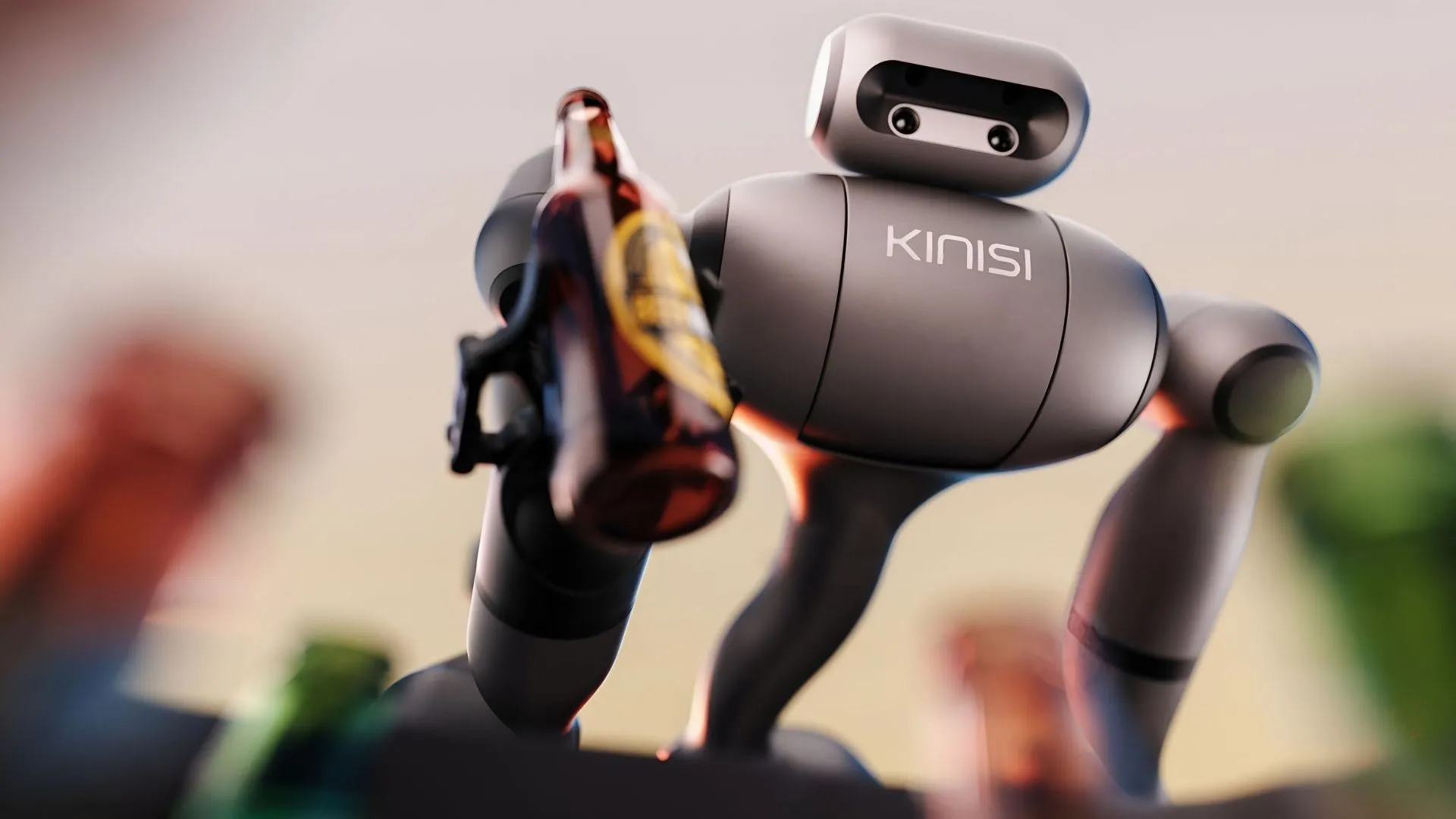
Bear Robotics says it has reduced the time needed to run a robotics foundation model by roughly eight times, from 500 milliseconds to 60 milliseconds, using NVIDIA software on its KR1 humanoid robot.
The improvement comes through KINO-2, a new robot-learning platform designed to turn human demonstrations into tasks that KR1 can perform. The company reported a separate 4.2-fold improvement for its own model, reducing processing time from 72.3 milliseconds to 17.2 milliseconds.
The figures come from Bear’s internal measurements and refer to model inference, the process of generating an output from a trained model. They do not mean the robot moves eight times faster or completes physical tasks eight times sooner.
Bear Robotics, which develops robots for commercial operations, announced KINO-2 at NVIDIA GTC Berlin. The company says it has deployed more than 16,000 robots across over 5,000 customer locations, although most of those machines are service robots rather than humanoids.
Cutting robot response delays
KINO-2 is designed to help KR1 learn object-handling tasks from demonstrations instead of requiring engineers to program every movement separately.
Bear collects demonstrations of a task, uses them to train and refine models, and evaluates the resulting behavior on KR1 before testing it in customer operations.
The platform supports both Bear’s internally developed models and external foundation models. These models can learn patterns from training data and apply them to tasks involving different objects and environments.
To run the software on KR1, Bear integrated NVIDIA Isaac OS into its perception system, which processes information about the robot’s surroundings. The setup uses NVIDIA Jetson AGX Thor hardware and incorporates NVIDIA Holoscan SDK 5.0.
Bear also used NVIDIA TensorRT and model quantization to reduce inference delays. Quantization makes models less computationally demanding by representing their numerical values with lower precision.
According to Bear, these changes helped reduce NVIDIA Isaac GR00T inference time to approximately 60 milliseconds from an initially unoptimized 500 milliseconds. Its own model achieved a reduction from 72.3 to 17.2 milliseconds.
Faster inference could help robots respond more quickly when identifying objects and deciding how to handle them. However, the announcement does not provide comparative data on complete task times, manipulation accuracy or long-term reliability.
From demonstrations to deliveries
At NVIDIA GTC Berlin, Bear is demonstrating KR1 performing a warehouse workflow that combines object handling and transportation.
The robot receives an order from a warehouse management system, picks bottles, places them into a crate, delivers the crate to a drop-off point and returns with an empty one.
The demonstration combines KINO-2’s learned manipulation skills with Bear’s existing navigation, control and workflow software.
“The people doing a job already understand its products, equipment and sequence of work. Demonstrations let us capture that knowledge and teach the robot,” said Bren Pierce, Bear Robotics’ chief robotics officer.
Bear says it is also developing manipulation capabilities through customer pilots involving supermarket returns and warehouse crate handling.
The company plans to combine specialized mobile robots that transport goods with KR1 humanoids that handle objects. Both would operate through shared fleet-management and workflow systems.
The GTC demonstration shows how these capabilities can work together in a defined warehouse task. Bear has not disclosed performance results establishing how reliably KR1 can complete broader customer workflows without intervention.
Source: https://interestingengineering.com/ai-robotics/bear-robotics-humanoid-nvidia-inference-speedup
Related articles